Colin Chapman handed Jensen a brand-new Lotus engine, the first mass-produced twin-cam four-valve unit built on an assembly line anywhere.
Lead trim: Jensen-Healey 2.0 Lotus 907 (144 bhp)
Jensen Jensen-Healey1972–1976
- 0spots by members
- Unclaimednobody has spotted one yet
- 0sets it belongs to
Nobody in Burbles has spotted a Jensen Jensen-Healey yet. See one on the street, point the app at it, and the first card is yours — with your @handle permanently credited on this page.
FactColin Chapman handed Jensen a brand-new Lotus engine, the first mass-produced twin-cam four-valve unit built on an assembly line anywhere.
The Jensen-Healey is a British two-seater convertible sports car produced by Jensen Motors in West Bromwich from 1972 until 1976 (10,503 produced), positioned between the Triumph TR6 and the Jaguar E-Type; a related fastback, the Jensen GT, was introduced in 1975. When production of the Austin-Healey 3000 ended, Donald Healey opened discussions with Jensen Motors, who had built the bodies for Austin-Healey cars, and San Francisco-based Kjell Qvale, the largest US Austin-Healey dealer, also wanted a replacement; Qvale became a major shareholder with Donald Healey as chairman, and the car was developed as a joint venture with Geoffrey Healey. Hugo Poole did the styling, modified front and rear by William Towns to take advantage of the low-profile engine and to allow US cars to be fitted with bumpers to meet stricter safety regulations, and the unitary body understructure was designed by Barry Bilbie of Austin-Healey 100, 100-6, 3000 and Sprite fame, with bolt-on panels to keep insurance premiums down. Various engines were tried in the prototype stage: the Vauxhall 2.3 met US emissions but not the 130 hp power target, a German Ford V6 was considered but industrial action crippled supply, and BMW could not supply the required number. Colin Chapman of Lotus offered, and Jensen accepted, the new 1973 cc Lotus 907 dual overhead cam, 16-valve, all-alloy engine, the first modern DOHC four-valve-per-cylinder engine mass-produced on an assembly line, with European-spec Dellorto carburettors (North American dual single-throat Zenith Strombergs), producing approximately 144 bhp, a top speed of 119 mph and 0–60 mph in 7.8 seconds (8.1 seconds for the emission-controlled US version). Early cars (1973–1974½) had two-piece steel-and-chrome bumpers; later cars used black rubber bumpers to meet the 5-mph crash standard; the Mk 2 from 1975 used the Getrag 235/5 five-speed gearbox.
Collectors Spotted in the Jensen Jensen-Healey Lineage
No member has published a public street spot of the Jensen Jensen-Healey yet — the First · Worldwide stamp is wide open.
Trims & Figures
One published trim in the catalogue. A blank is a figure not recorded, not zero.
| Trim | Years | Engine | Power | Torque | 0–60 | Drive | Gearbox | MSRP |
|---|---|---|---|---|---|---|---|---|
| Jensen-Healey 2.0 Lotus 907 (144 bhp) | 1972–1976 | 2.0 L Inline-4 | 144 hp | — | 7.8 s | RWD | — | — |
Owning one
We don’t estimate running costs for a car like this. What it costs depends on its condition, its specialist and how it is driven, and an average would mislead.
Owners’ builds
Nobody has claimed one yet.
Rivals
Same body, same money, other badges — tap any card to flip.
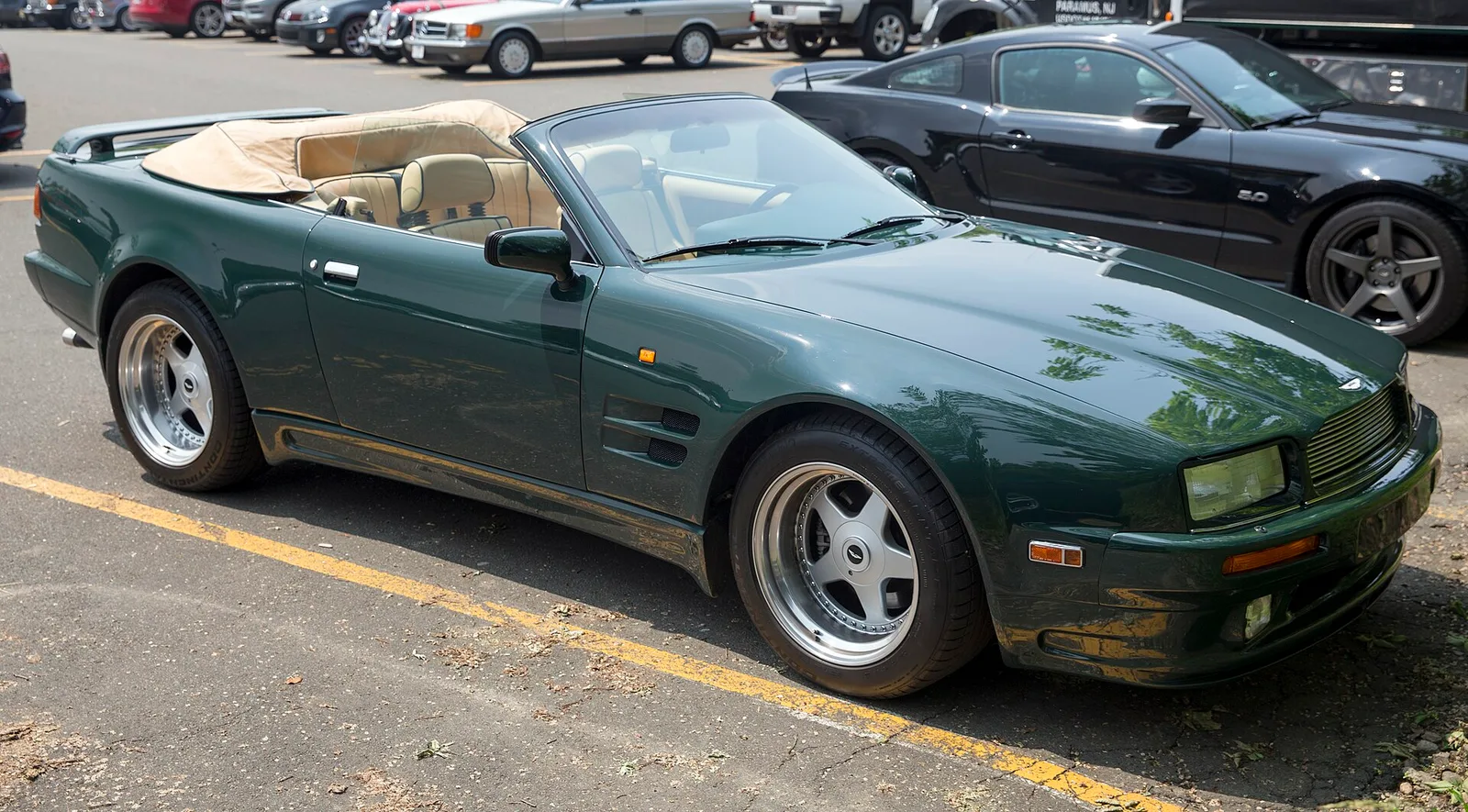
This was the year the Virage's automatic finally got a fourth gear — Aston swapped in a four-speed automatic to replace the original three-speed unit for the 1993 model year.
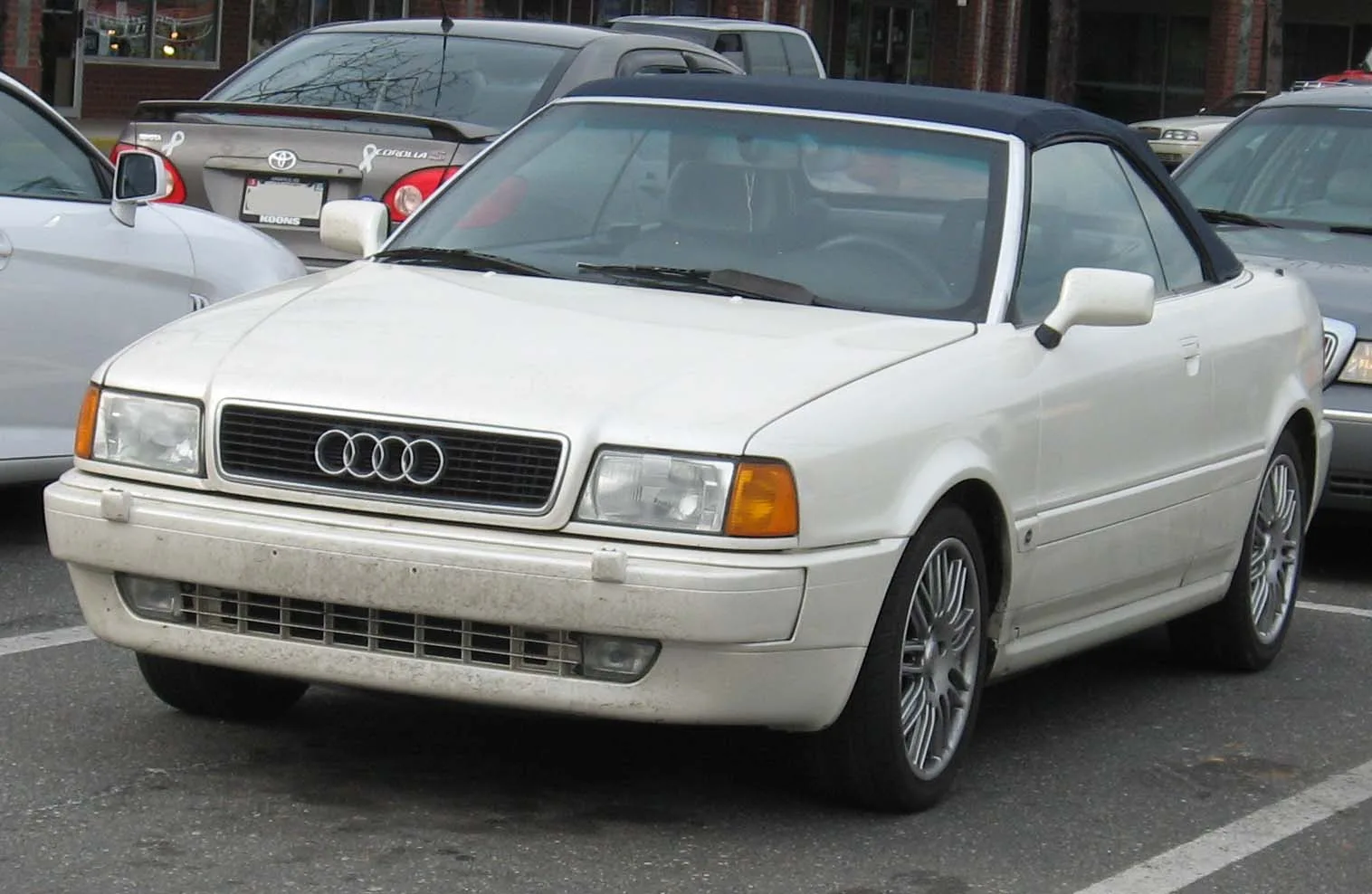
Audi's first drop-top since 1959 barely made a dent stateside: the V6 Cabriolet sold just 5,445 units across its entire five-year run in the US market.
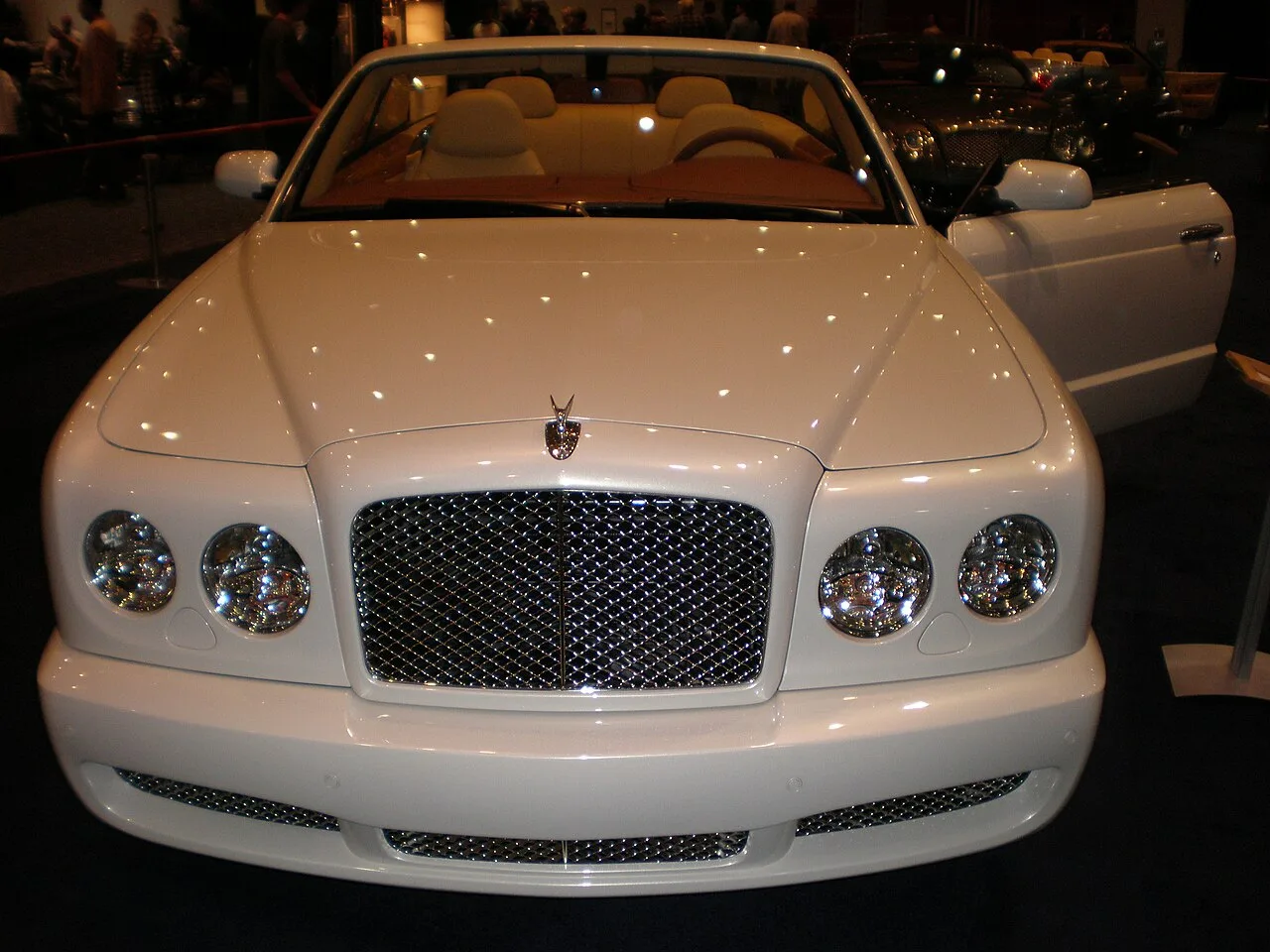
This Azure's V8 exists because of a corporate grudge: when VW won the fight for Bentley, BMW threatened to cut off engine supply — forcing VW to rebuild the 6.75-litre V8 itself, twin-turbos and all.
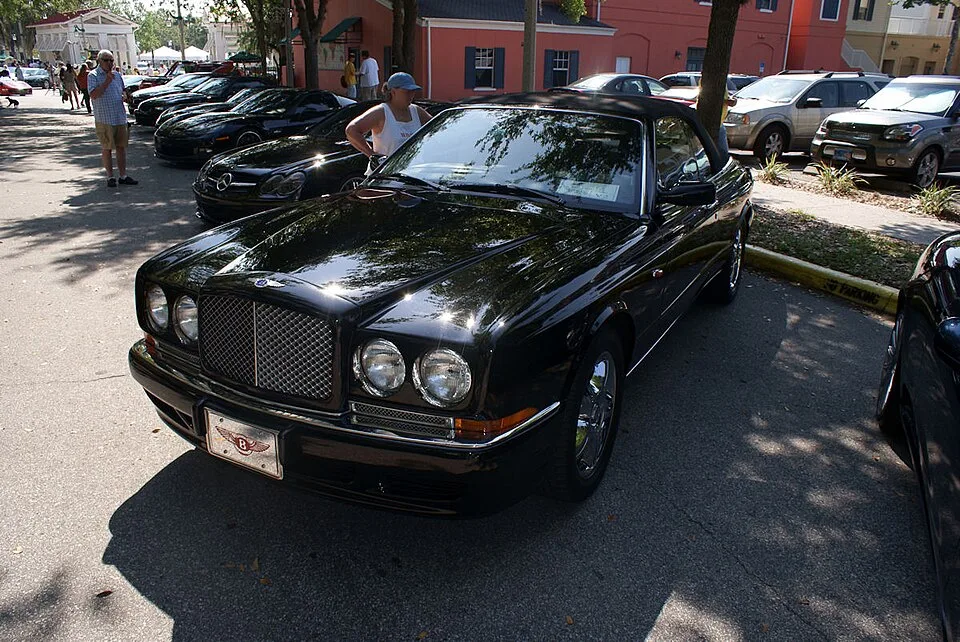
Bentley never even considered a roll-bar for the Azure's convertible top — they just reinforced the chassis instead and let the design stay pure.
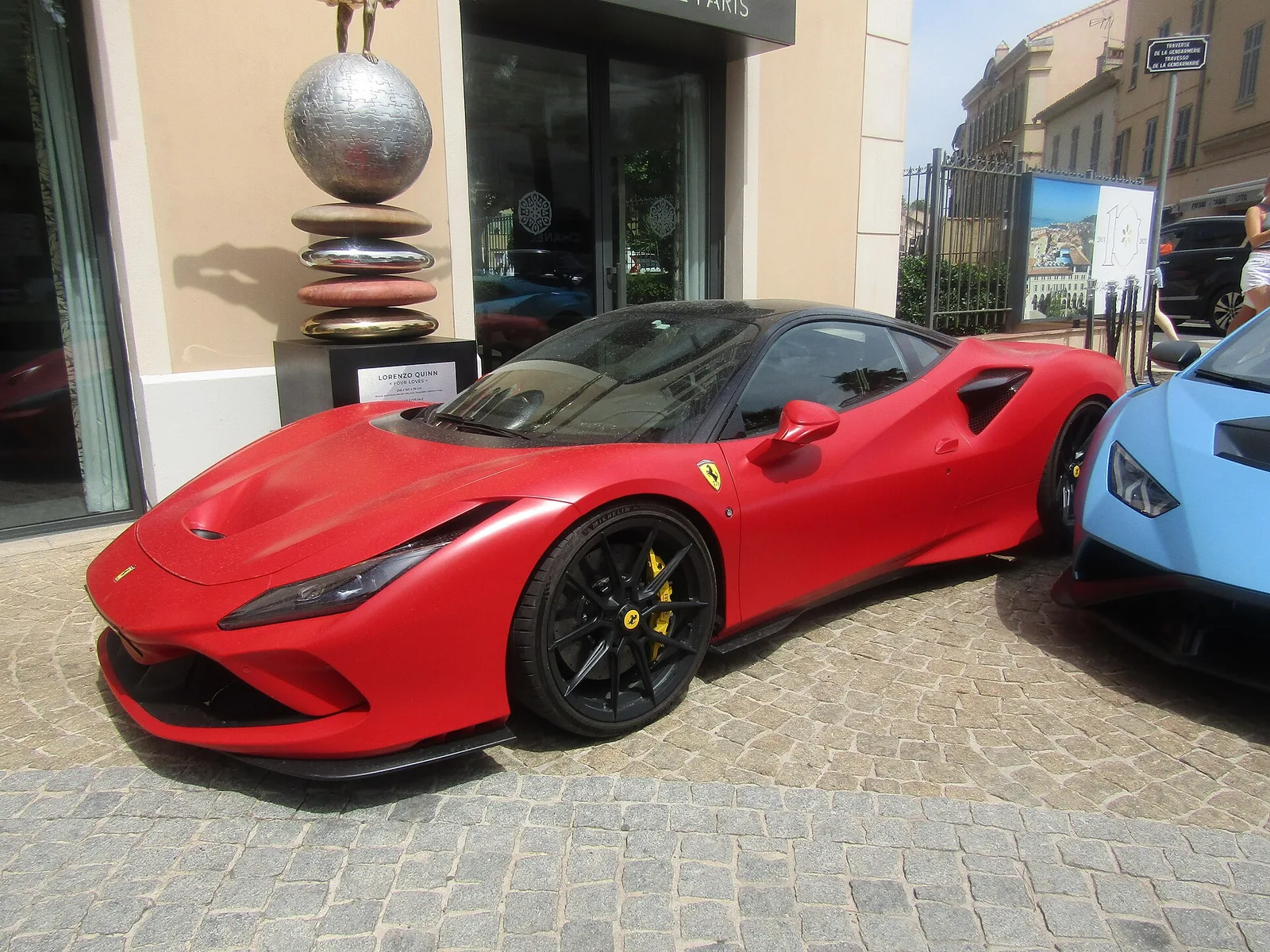
The F8 Spider's folding hardtop raises or lowers in just 14 seconds, and you can do it on the move, at up to 28 mph.
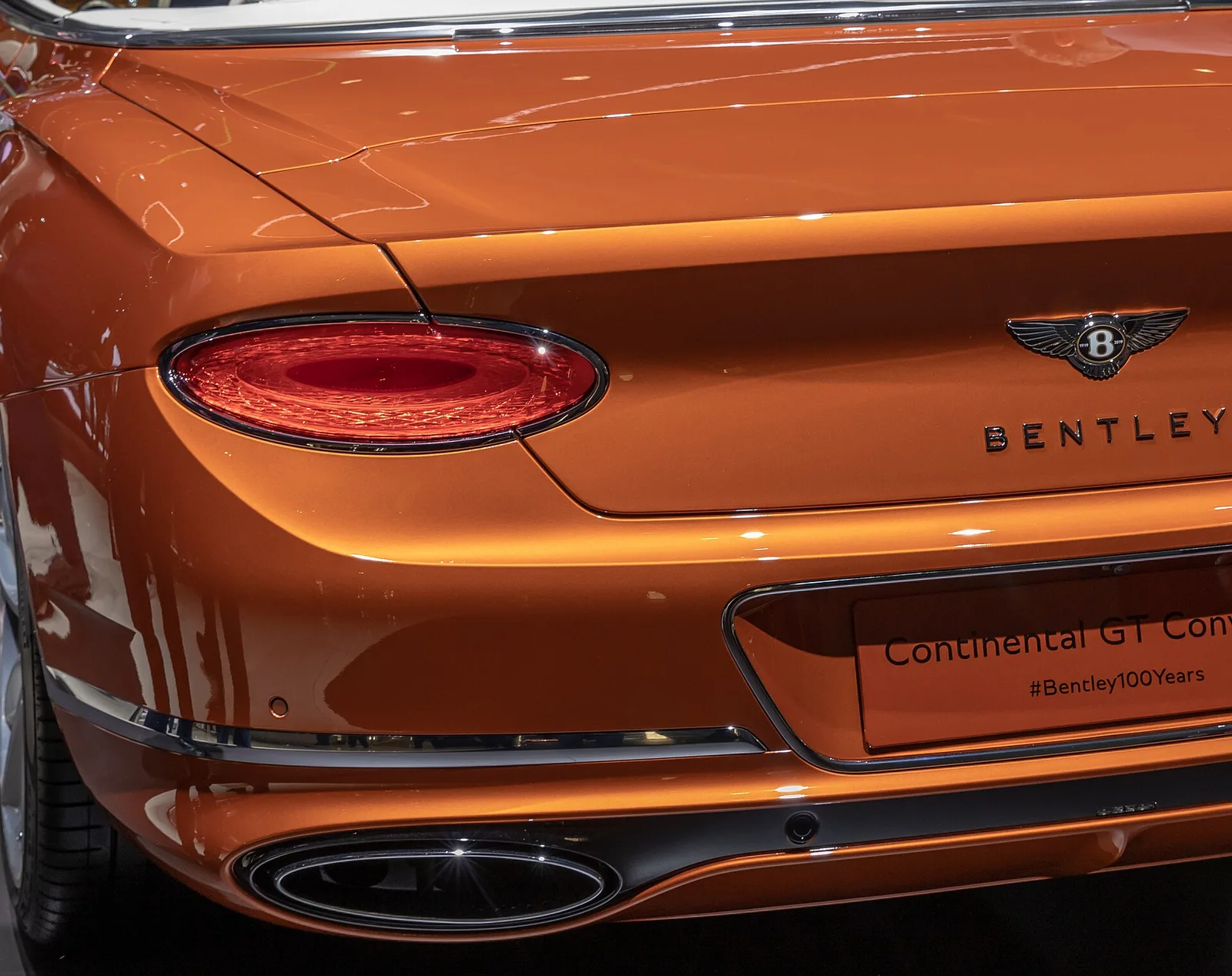
Bentley hid a charging nook for iPads between the rear seats of the Continental GT Convertible — a 2015 update that quietly conceded the future was tablets, not just wood veneer.
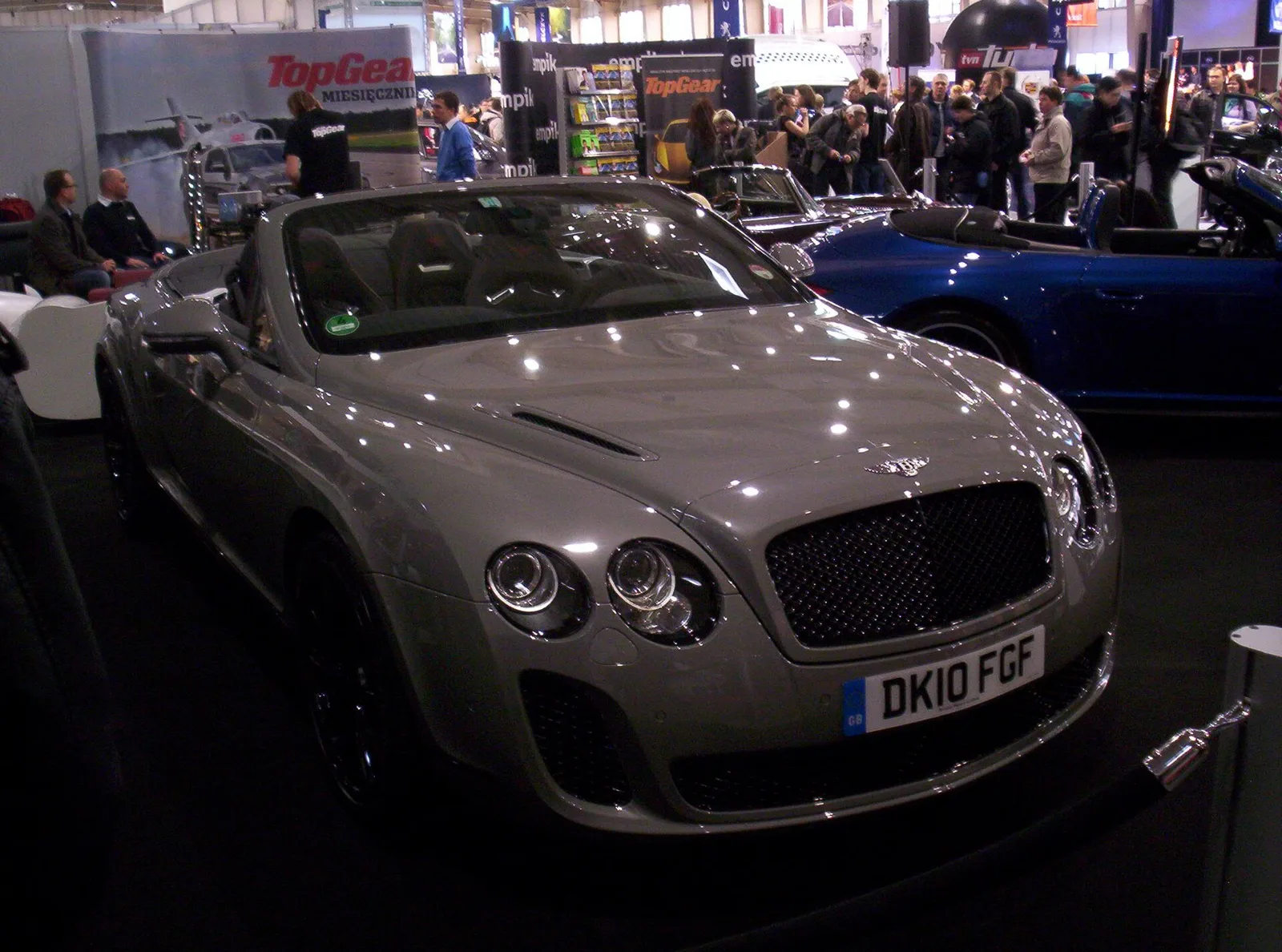
Bentley built just 710 of these second-generation Supersports worldwide, coupe and convertible combined — one of the rarest W12 Bentleys ever made.
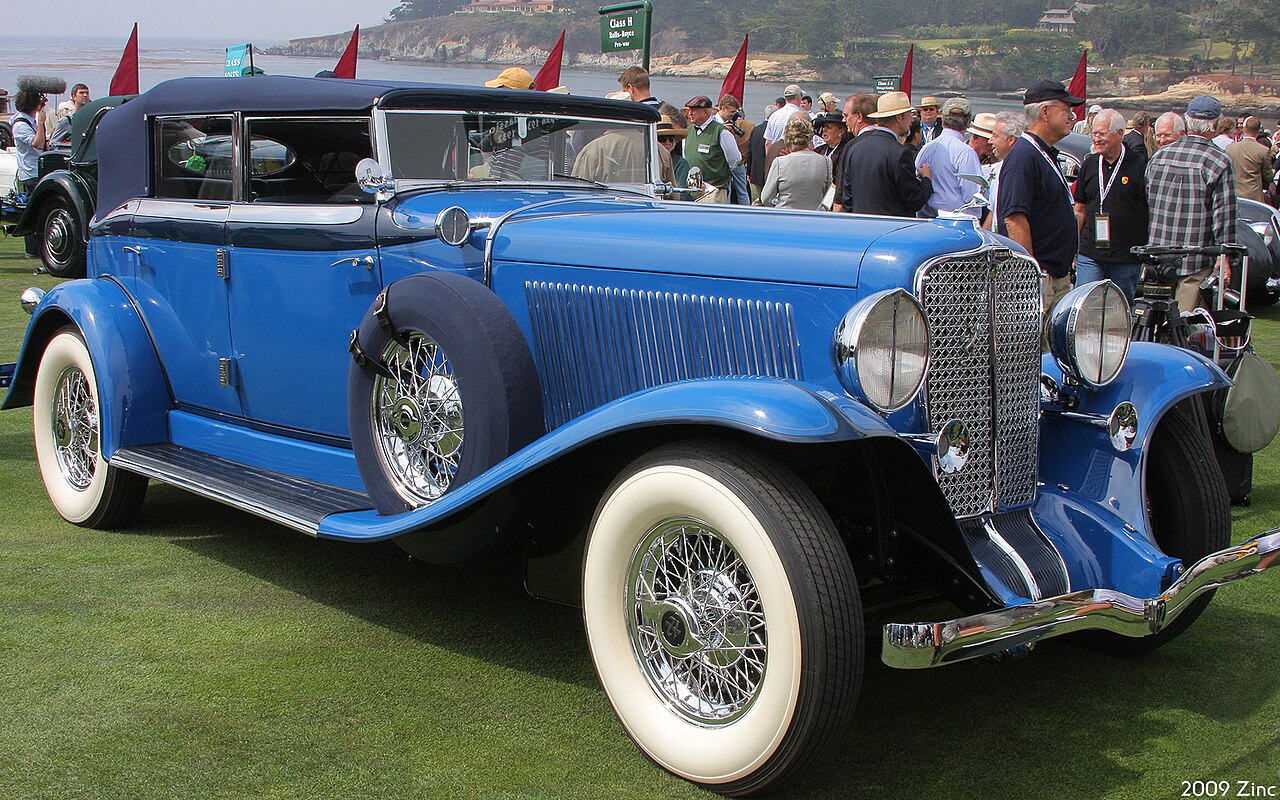
The Auburn Twelve's V12 outlived the car by decades — its engine design became the basis for American LaFrance fire truck powerplants that stayed in service into the 1950s.