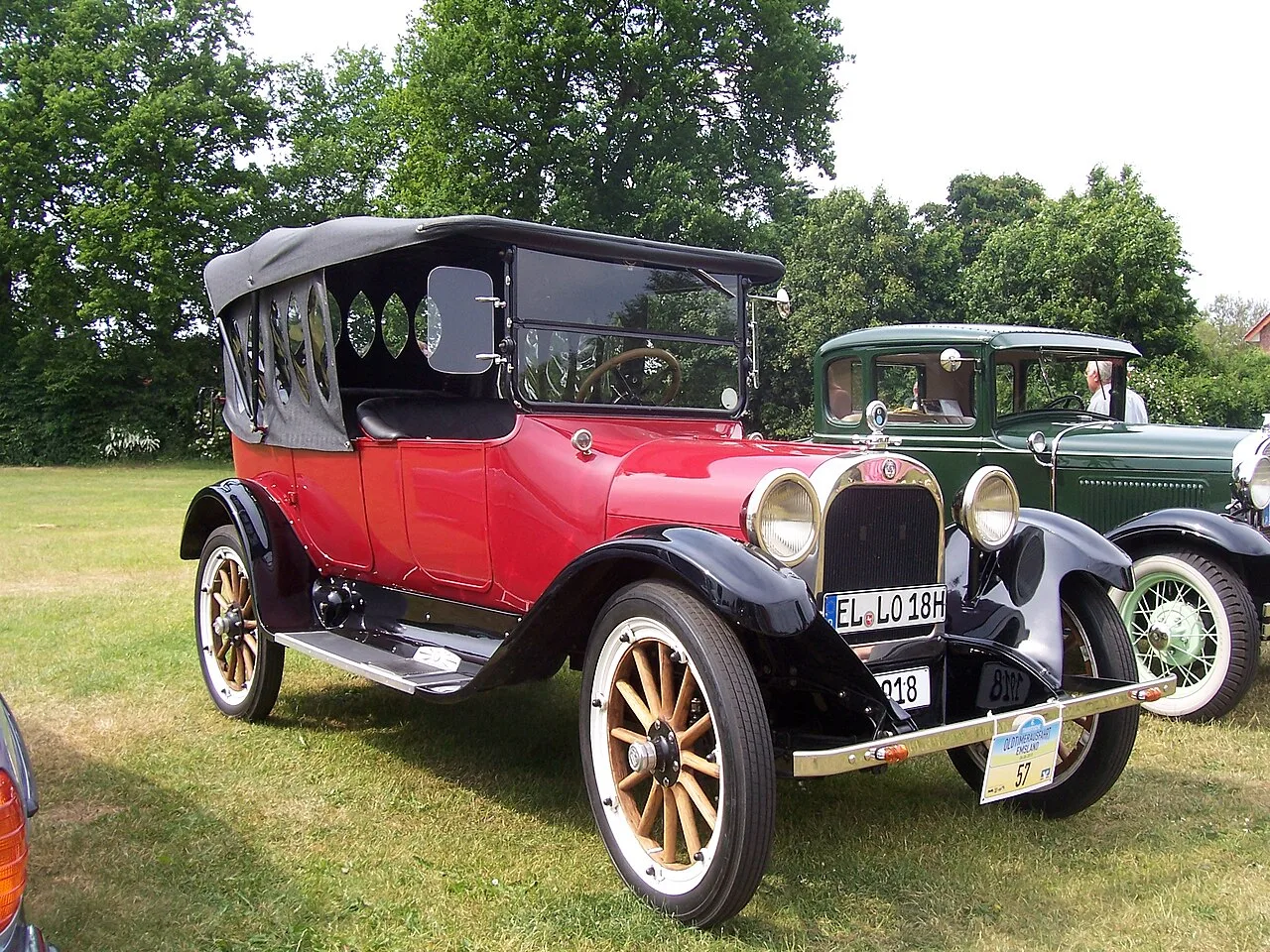
The US Army ordered 8,559 Dodge Model 30 staff cars for World War One, its standard staff car of the war.
Lead trim: Model 30 L-head four, 212.3 cu in (35 bhp)
Dodge Model 301916–1922
- 0spots by members
- Unclaimednobody has spotted one yet
- 0sets it belongs to
Nobody in Burbles has spotted a Dodge Model 30 yet. See one on the street, point the app at it, and the first card is yours — with your @handle permanently credited on this page.
FactThe US Army ordered 8,559 Dodge Model 30 staff cars for World War One, its standard staff car of the war.
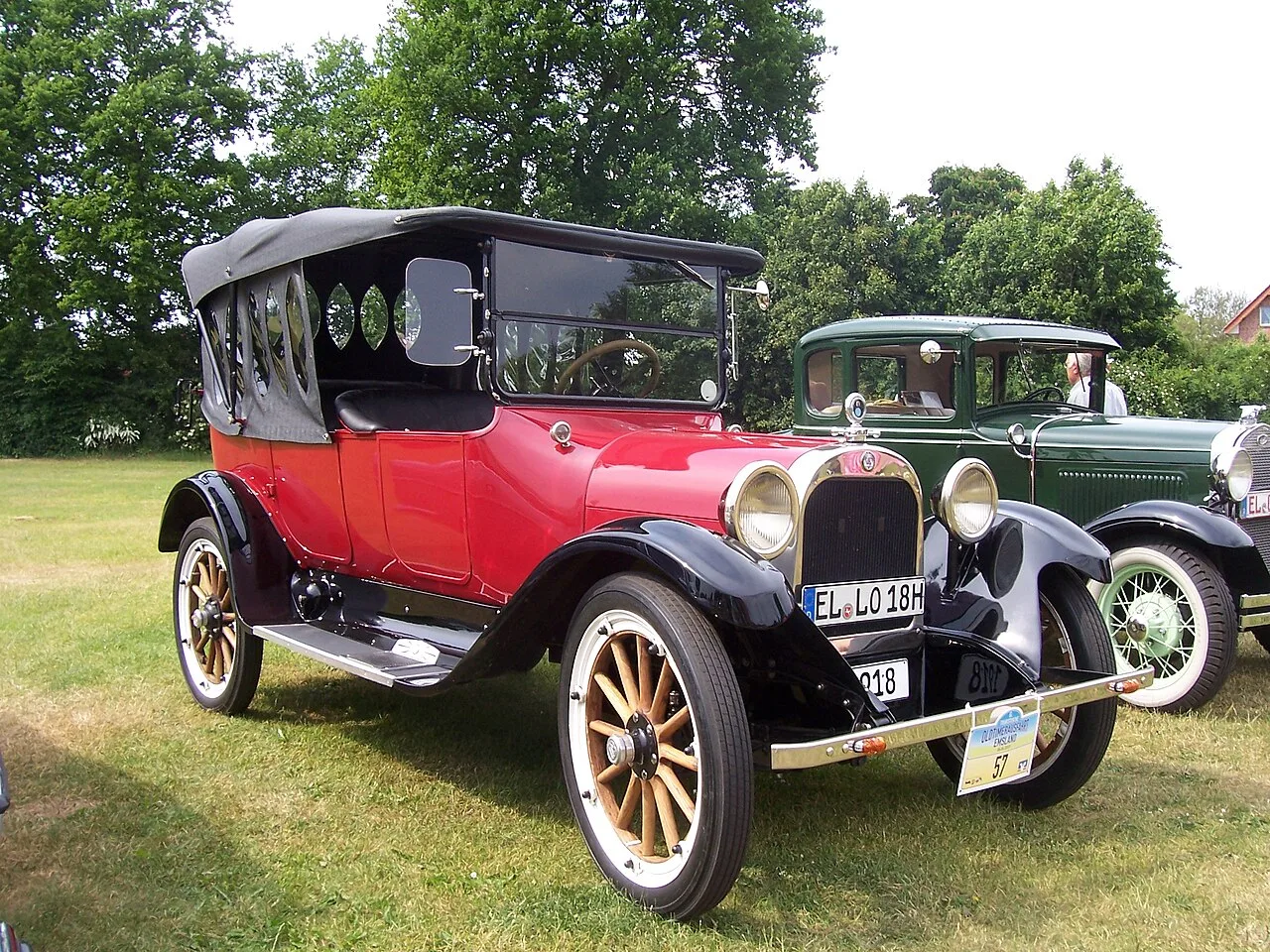
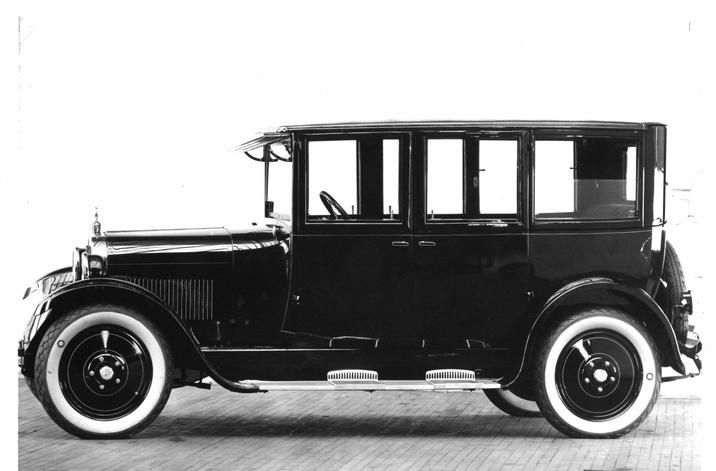
The Dodge 30 was an American car produced by Dodge, the commercial version of which was known as the Dodge Series One. Introduced in 1916 as a development of the company's earlier 30-35, it remained in production until 1922 and was used extensively by the US Army during the First World War. A front-engine, rear-wheel-drive car, it was originally available as a 4-door 5-seat soft-top tourer, a 2-door 2-seat soft-top roadster, a 4-door 5-seat hard-top sedan, a 2-door 2-seat hard-top coupe, or a 2 or 4-door "Rex" model with a removable hard-top produced by the Rex Manufacturing Co. of Indiana. The wheelbase was 114 in, 4 in longer than the 30-35's; Dodge switched production in July 1916, the other differences being repositioned lights, a restyled hood and four new body styles, with base models costing US$835. The engine, retained from the 30-35, was a Dodge-designed 212.3 cu in (3,479 cc) straight-four L-head petrol unit producing 35 bhp at 2,000 rpm, driven through a 3-forward, 1-reverse manual transmission with a multiple dry disc clutch. The first Dodge commercial vehicles, rated for a half short ton, were introduced in 1917 based on the Model 30 (a pickup with removable wire and canvas screen sides, with a hard-sided panel truck added in 1918). Production was 90,000 in 1917, 62,000 in 1918, 106,000 in 1919, 141,000 in 1920, 81,000 in 1921 and 142,000 in 1922 (some sources claim 124,000 for 1917); in 1923 it was succeeded by the Series 116. The Model 30 was the US Army's standard staff car in the war, with orders placed for 8,559 soft-top, 3,201 hard-top and 550 two-seat roadster staff cars.
Collectors Spotted in the Dodge Model 30 Lineage
No member has published a public street spot of the Dodge Model 30 yet — the First · Worldwide stamp is wide open.
Trims & Figures
One published trim in the catalogue. A blank is a figure not recorded, not zero.
| Trim | Years | Engine | Power | Torque | 0–60 | Drive | Gearbox | MSRP |
|---|---|---|---|---|---|---|---|---|
| Model 30 L-head four, 212.3 cu in (35 bhp) | 1916–1922 | 3.5 L Inline-4 | 35 hp | — | — | RWD | — | — |
Owning one
We don’t estimate running costs for a car like this. What it costs depends on its condition, its specialist and how it is driven, and an average would mislead.
Owners’ builds
Nobody has claimed one yet.
Photographs
Rivals
Same body, same money, other badges — tap any card to flip.
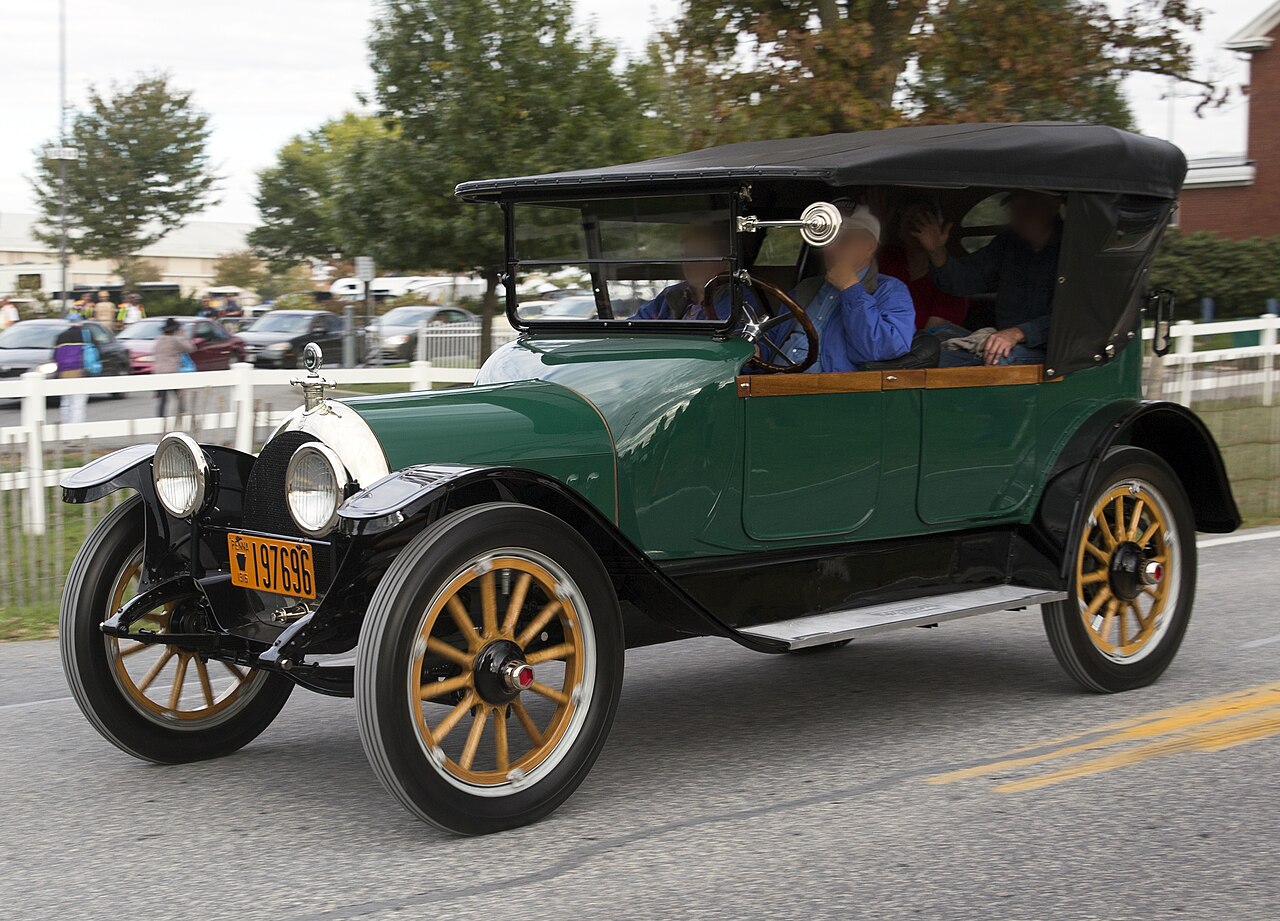
Oldsmobile's first-ever V8, the Light Eight, actually undercut the company's own six-cylinder sedan on price — $1,595 versus $1,850 for the inline-six Model 37.
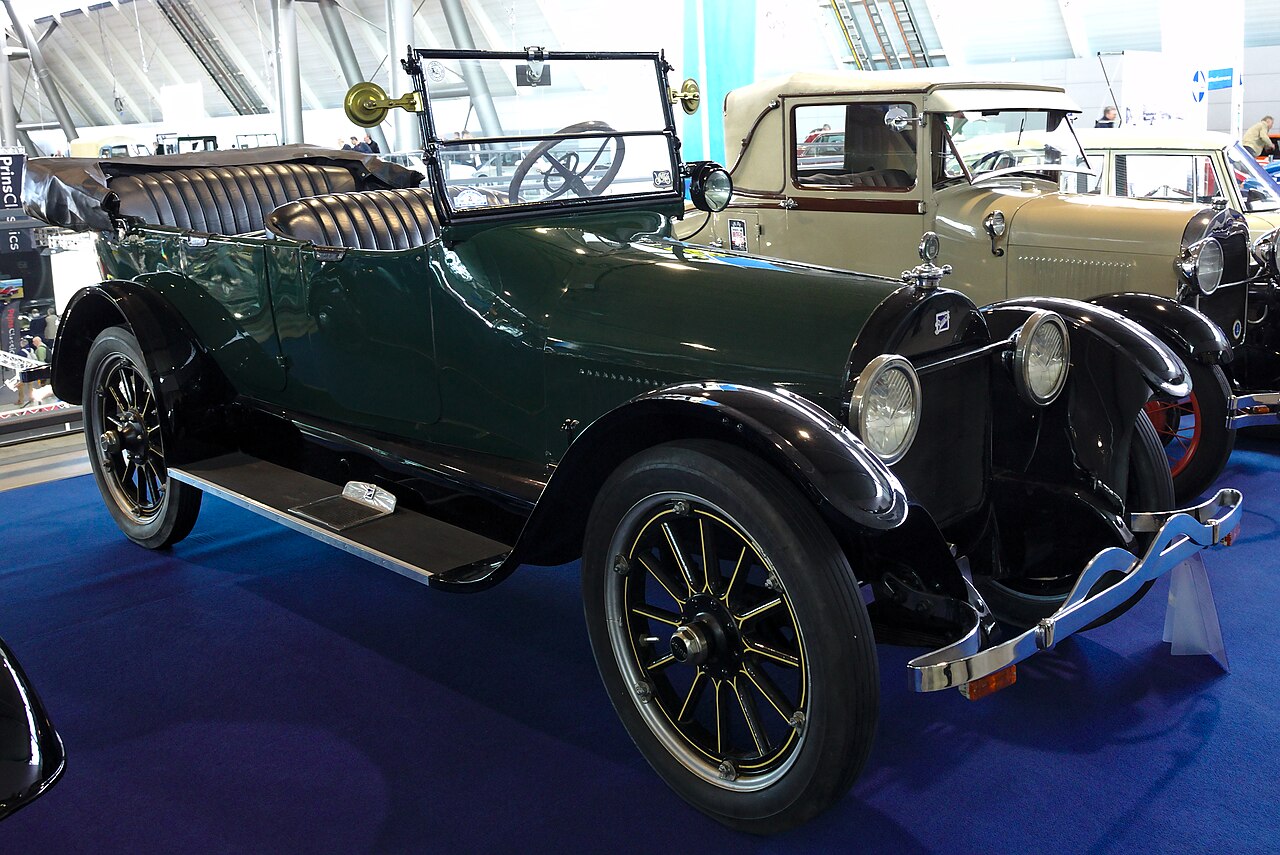
This Six was the first Buick with the steering wheel moved to the left side and an electric starter instead of a crank.
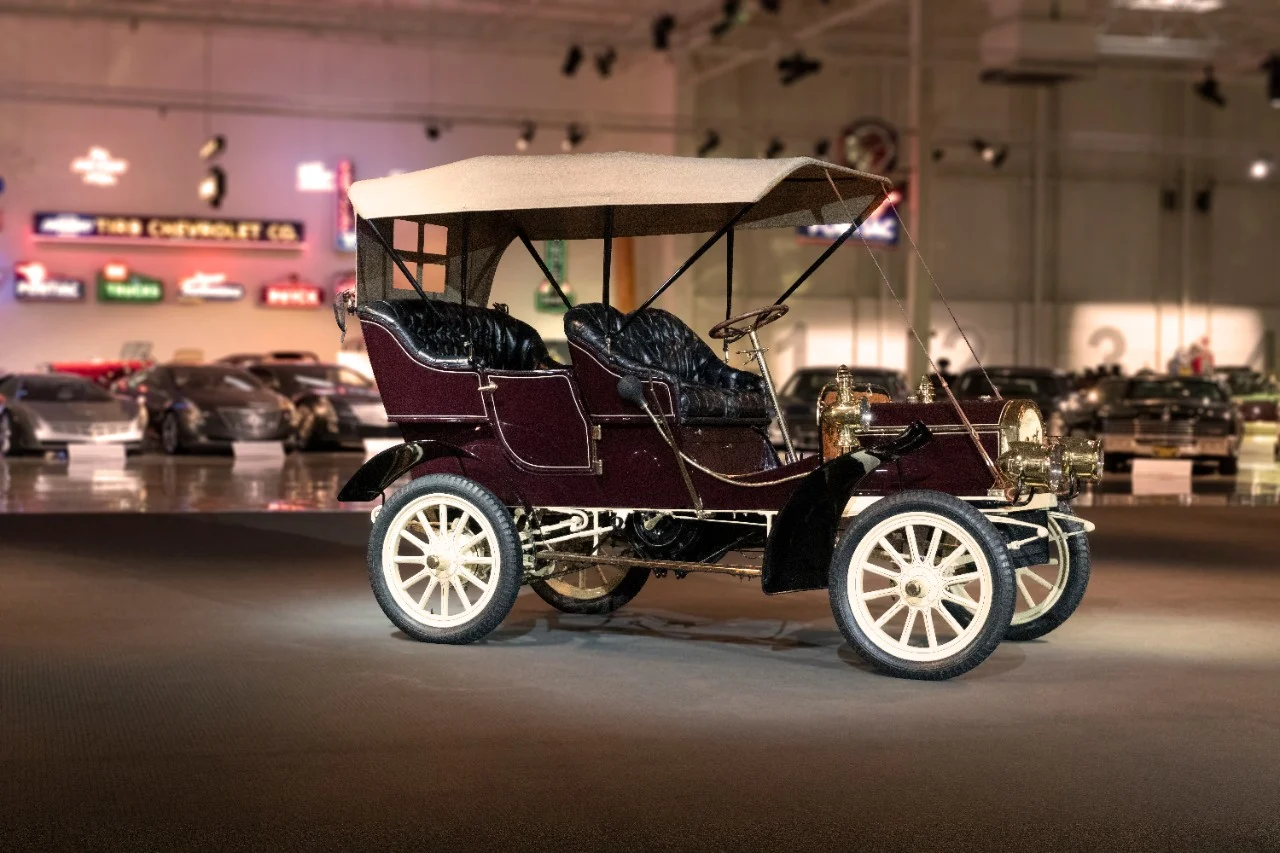
A single Model B shown at the 1905 New York Auto Show, with William Durant taking orders personally, pushed Buick's sales from 37 cars to 750 in one year.
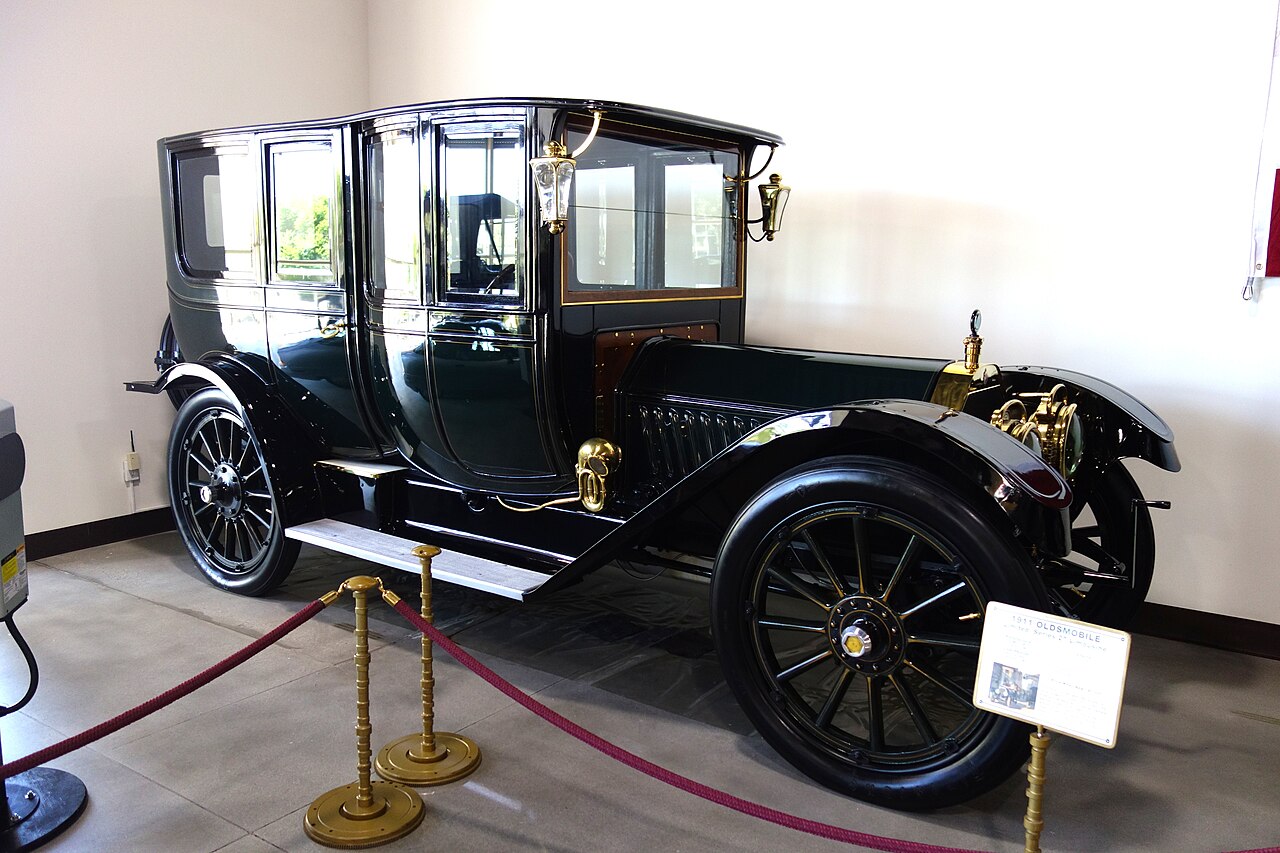
The Oldsmobile Limited once raced the 20th Century Limited train from Albany to New York City.
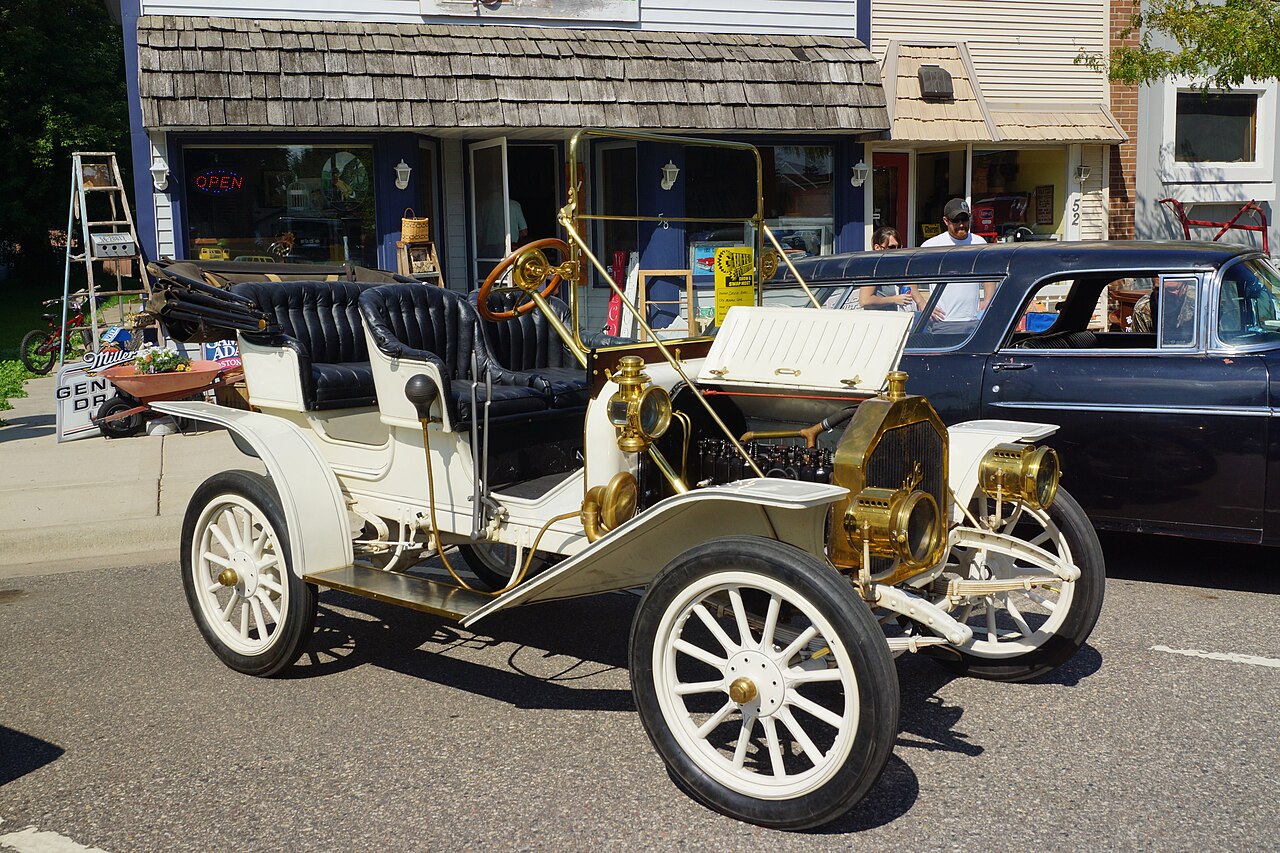
Buick's original four-cylinder car began life as a design bought from the Janney Motor Company, not an in-house engine.
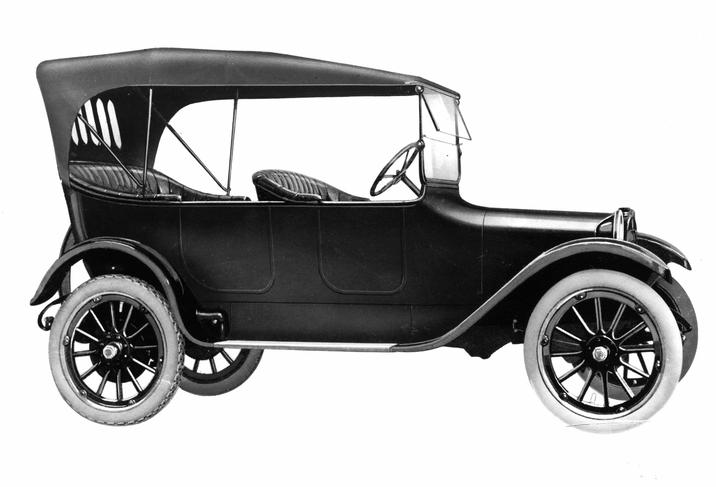
Dodge's first car ever, the 1914 30-35, had a driver's side door that could not actually be opened.
Dodge named this car after its own wheelbase, 116 inches, and geared the rear axle down to cap it near 40 mph.