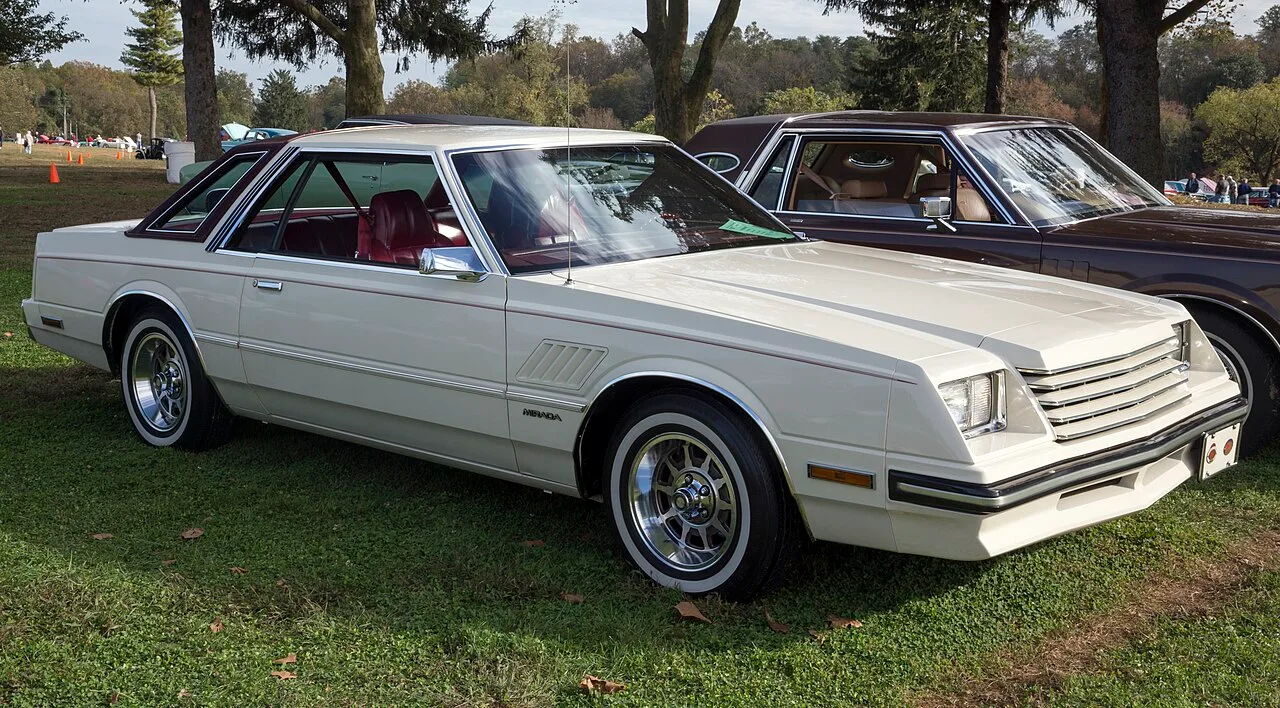
Chrysler called Richard Petty personally to test the Mirada for a NASCAR comeback — but it proved so aerodynamically poor it couldn't top 185 mph, and Dodge vanished from the sport for 17 years.
Lead trim: Mirada 225 slant-6 I6 (1981–1983, 85 bhp) · up to 130 hp
Dodge MiradaMIRADA · 1980–1983
- 0spots by members
- Unclaimednobody has spotted one yet
- 0sets it belongs to
Nobody in Burbles has spotted a Dodge Mirada yet. See one on the street, point the app at it, and the first card is yours — with your @handle permanently credited on this page.
FactChrysler called Richard Petty personally to test the Mirada for a NASCAR comeback — but it proved so aerodynamically poor it couldn't top 185 mph, and Dodge vanished from the sport for 17 years.
The Dodge Mirada is a mid-sized, rear-wheel-drive coupé manufactured and marketed by Dodge for the model years 1980 to 1983 (52,947 produced at Windsor, Ontario), sharing the Chrysler J platform with its badge-engineered variants, the second-generation Chrysler Cordoba and the Imperial, and marketed as a sporty personal luxury car with limited advertising while Chrysler was in deep financial difficulty. To help meet CAFE standards it was downsized considerably onto a modified version of the Aspen/Volaré platform sharing the sedan and wagon's 112.7-inch wheelbase; designed after the Cordoba's design was locked in (chief designer Ernie Barry had to include the landau roof favoured by Lee Iacocca), with a flexible-plastic front end and a grille inspired by the "coffin-nosed" Cord 810/812. Trims were the Base, S (also "SE") and CMX, with T-tops and a landau or "cabriolet" roof optional, a transverse torsion bar front suspension, leaf springs and rear sway bar, and an optional "sport handling package". The 225 slant-six was in the base car, the 318 V8 optional and the code E58 360 V8 available in the CMX only in 1980 (for unexplained reasons not in any Chrysler from 1981); all with the A904 automatic except the 360's stronger A727. Production: 28,633 in 1980, 11,899 in 1981, 6,818 in 1982 and 5,597 in 1983. It was hoped the Mirada would revive Dodge success in NASCAR, and Lee Iacocca asked Richard Petty to build and test a race Mirada in October 1980. Wheelbase 112.7 in, length 209.5 in, width 72.7 in, height 53.3 in (1980), 53.2 in (1981–83), curb weight 3,373 lb (1980), 3,380 lb (1981–83). The 360 CMX is catalogued as its own generation.
Collectors Spotted in the Dodge Mirada Lineage
No member has published a public street spot of the Dodge Mirada yet — the First · Worldwide stamp is wide open.
Trims & Figures
4 published trims in the catalogue. A blank is a figure not recorded, not zero.
| Trim | Years | Engine | Power | Torque | 0–60 | Drive | Gearbox | MSRP |
|---|---|---|---|---|---|---|---|---|
| Mirada 225 slant-6 I6 (1980, 90 bhp) | 1980–1980 | 3.7 L Inline-6 | 90 hp | 160 lb-ft | — | RWD | — | — |
| Mirada 225 slant-6 I6 (1981–1983, 85 bhp) | 1981–1983 | 3.7 L Inline-6 | 85 hp | 165 lb-ft | — | RWD | — | — |
| Mirada 318 LA two-barrel V8 (1980, 120 bhp) | 1980–1980 | 5.2 L V8 | 120 hp | 245 lb-ft | — | RWD | — | — |
| Mirada 318 LA two-barrel V8 (1981–1983, 130 bhp) | 1981–1983 | 5.2 L V8 | 130 hp | 230 lb-ft | — | RWD | — | — |
Owning one
We don’t estimate running costs for a car like this. What it costs depends on its condition, its specialist and how it is driven, and an average would mislead.
Owners’ builds
Nobody has claimed one yet.
Photographs
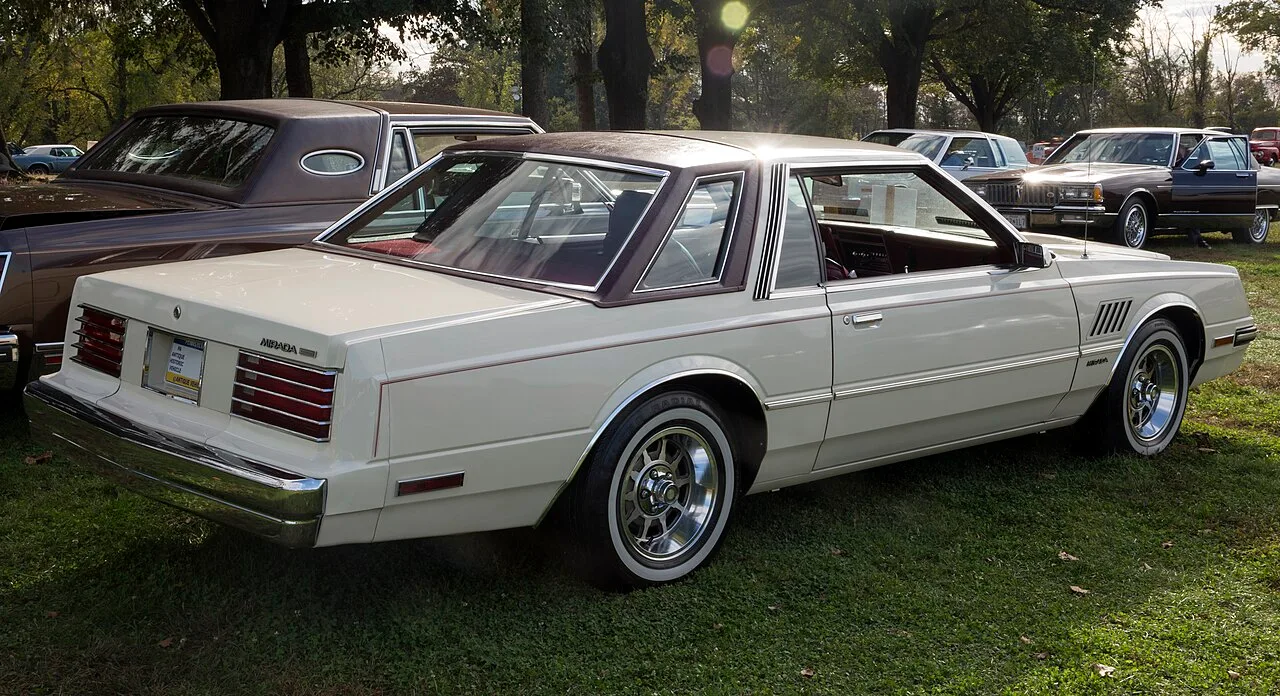
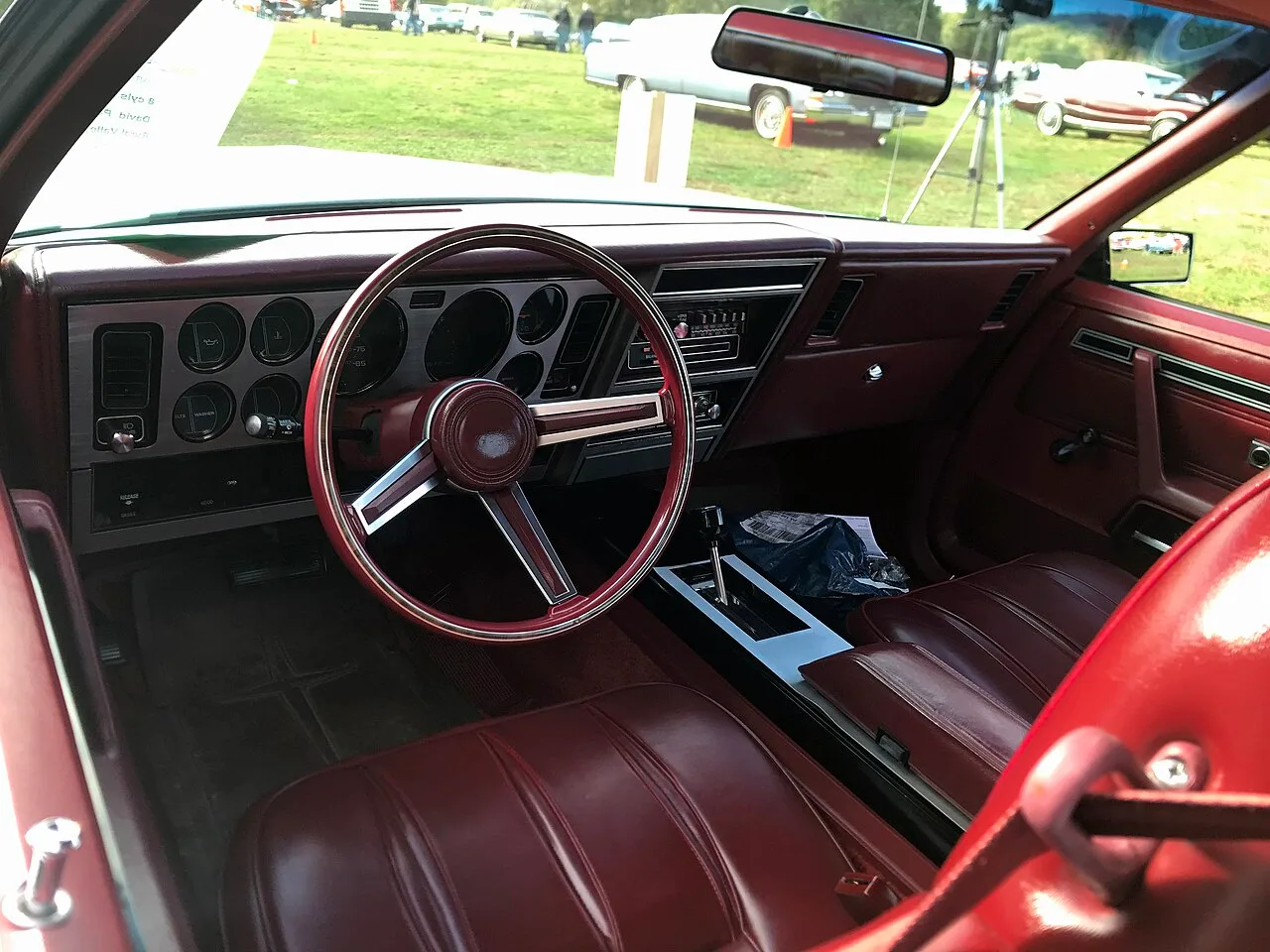
Dodge pinned its NASCAR hopes on this new Mirada in 1980 — it flopped so badly that Dodge didn't field another NASCAR car until 2001.
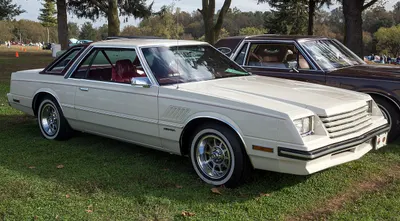
Chrysler called Richard Petty personally to test the Mirada for a NASCAR comeback — but it proved so aerodynamically poor it couldn't top 185 mph, and Dodge vanished from the sport for 17 years.
Rivals
Same body, same money, other badges — tap any card to flip.
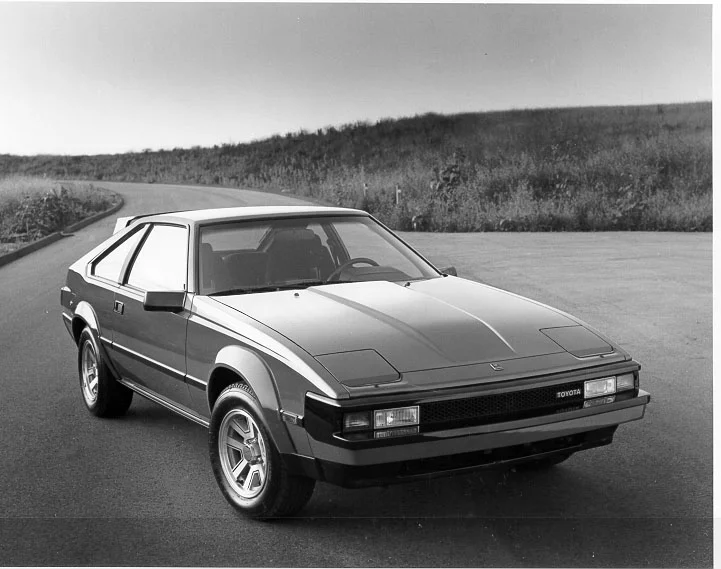
The Celica XX, Japan's name for the A60 Supra, introduced the world's first in-car navigation computer.
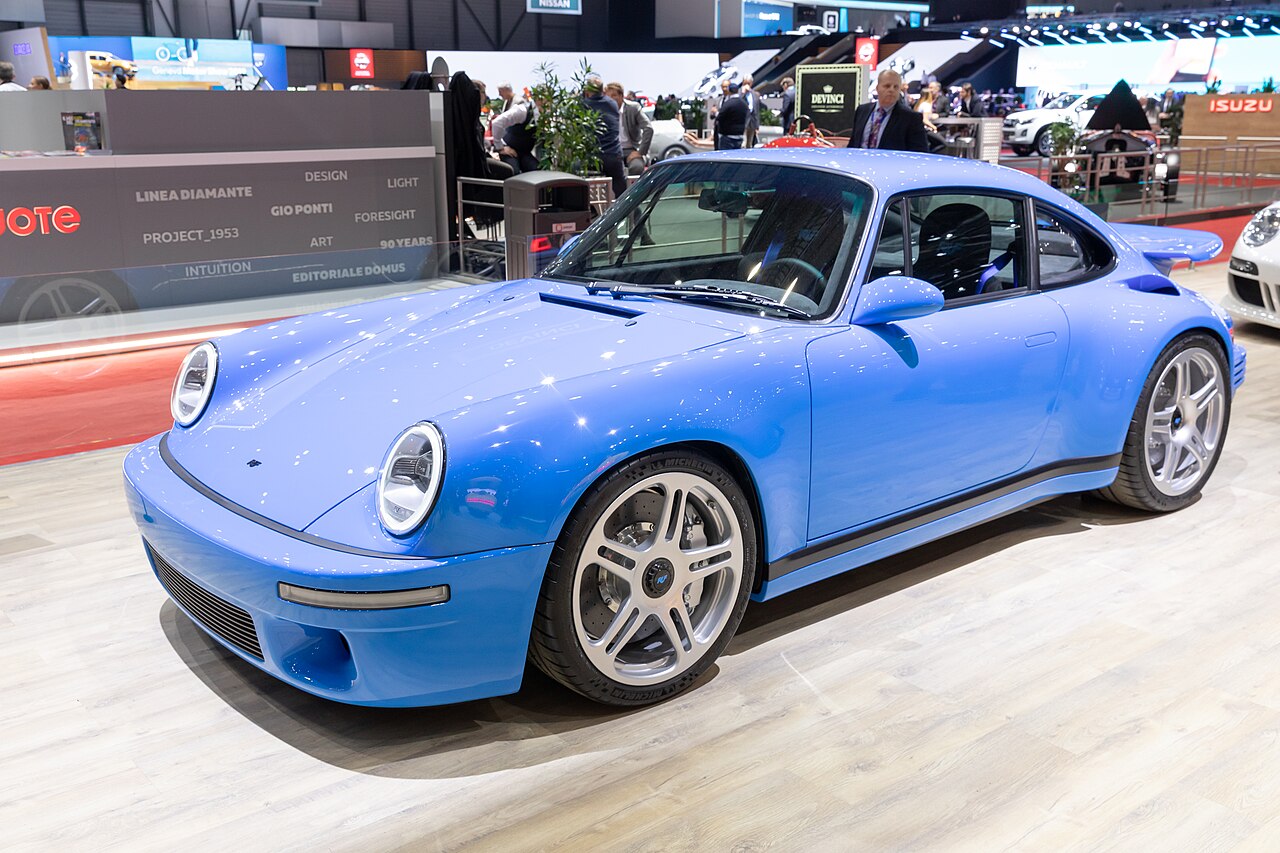
The CTR Anniversary looks like a 911 but Ruf built its carbon monocoque from scratch, no Porsche body underneath.
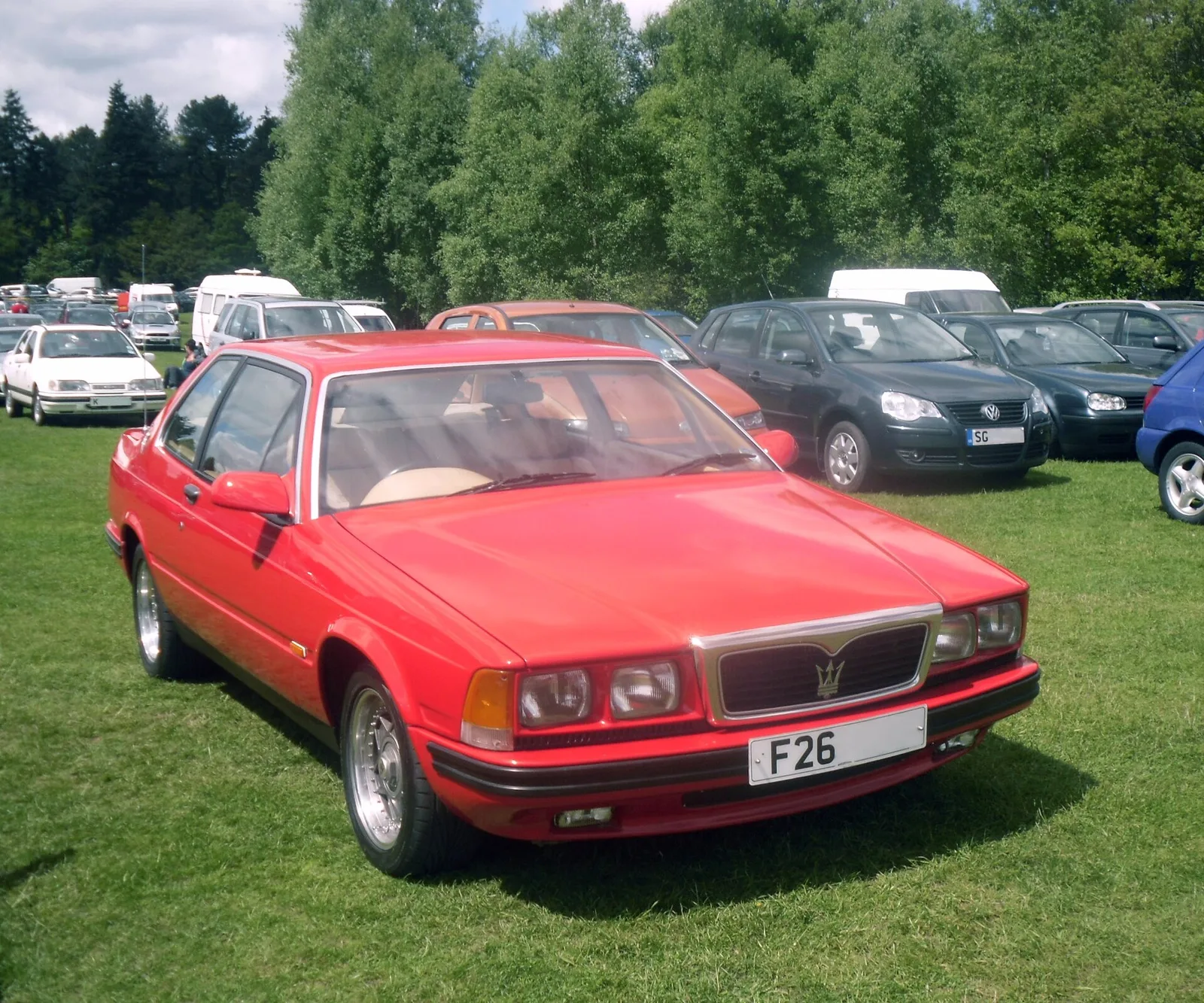
The 228's coupe styling hides a sedan underneath: Maserati stretched it onto the longer four-door Biturbo chassis to make room for its biggest V6, which is literally where the name comes from — 2-door, 2.8 litre.
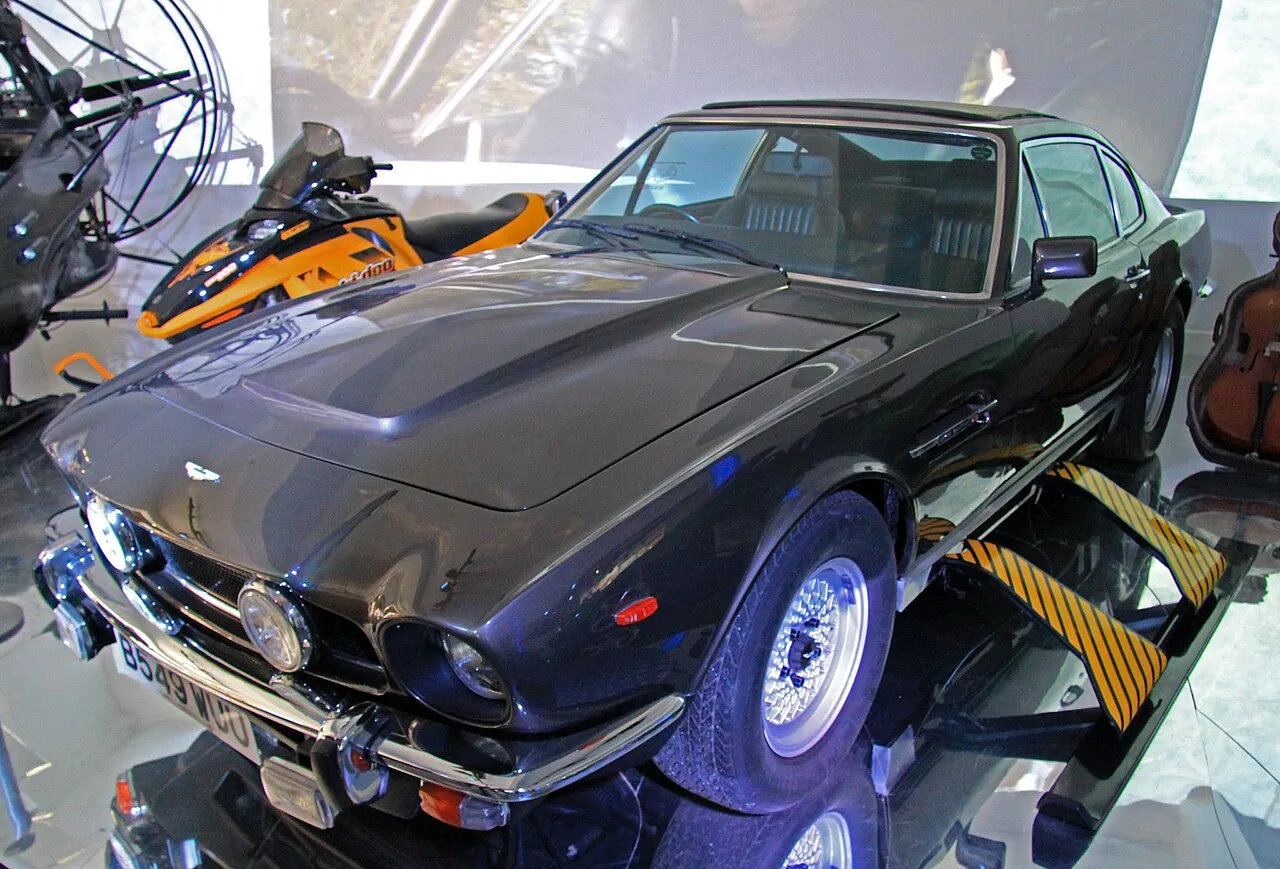
Switching to fuel injection let this V8 finally shed its trademark bonnet bulge — and only 405 of these flat-hooded Series 5 cars were built before the whole model retired in 1989.
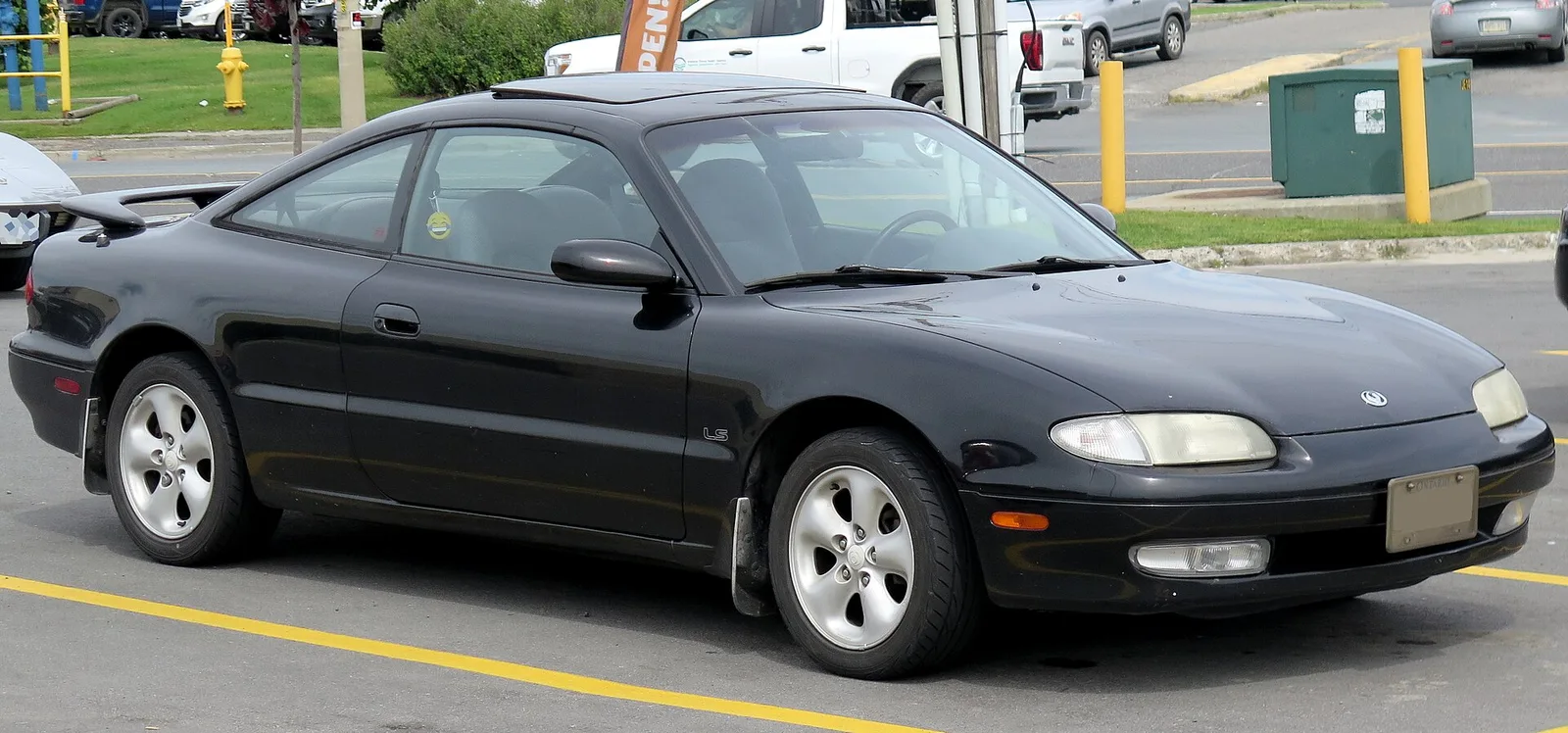
Japanese buyers got a secret weapon in their MX-6 — the JDM-only KL-ZE V6 made about 40 more horsepower than the engine sold in the exact same car in North America.
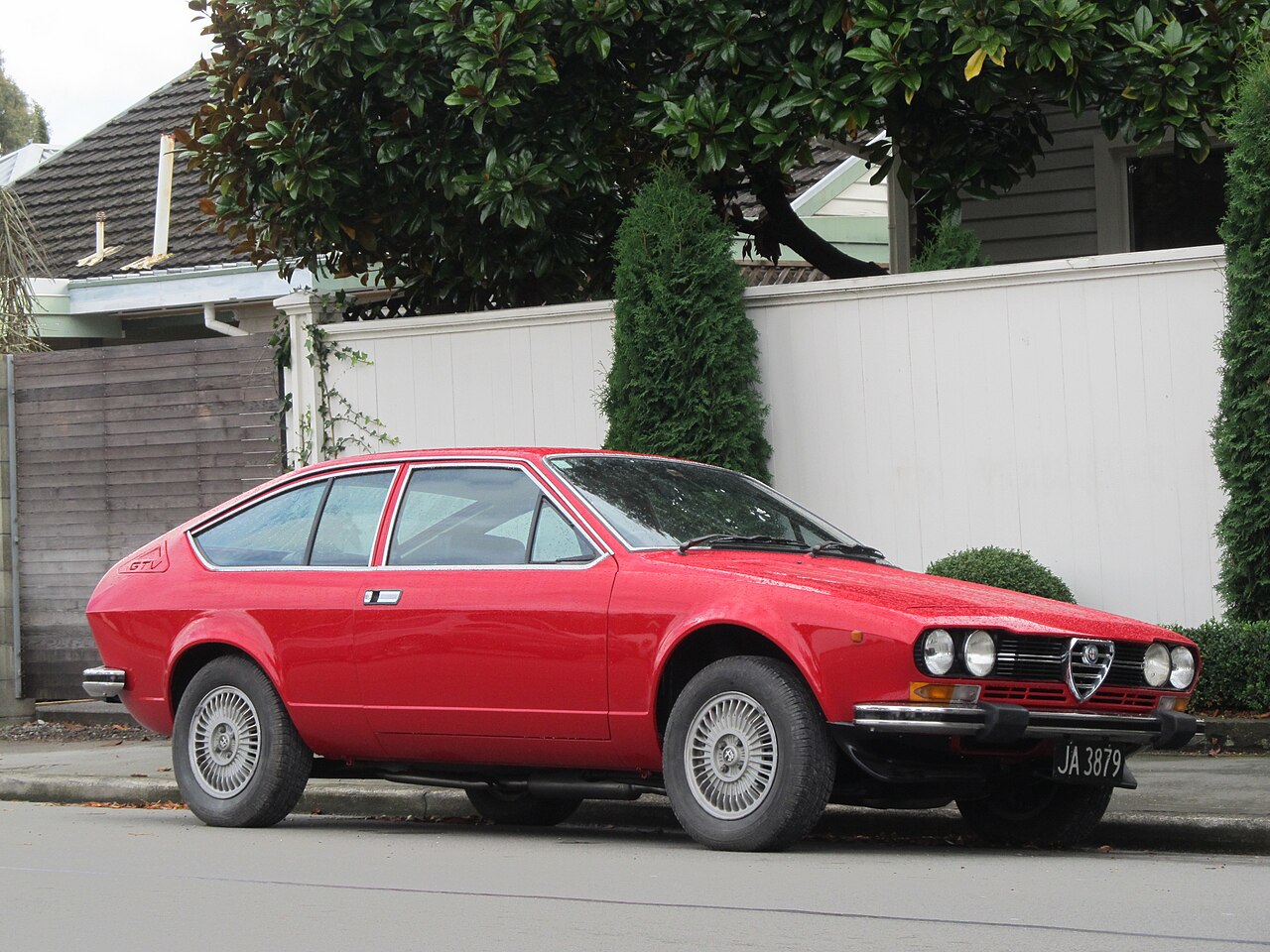
An American tuner, Callaway Cars, built twin-turbo conversions of the GTV6 that boosted its V6 by fifty percent to 230 hp — turning Alfa's grand tourer into something far quicker than the factory ever intended.
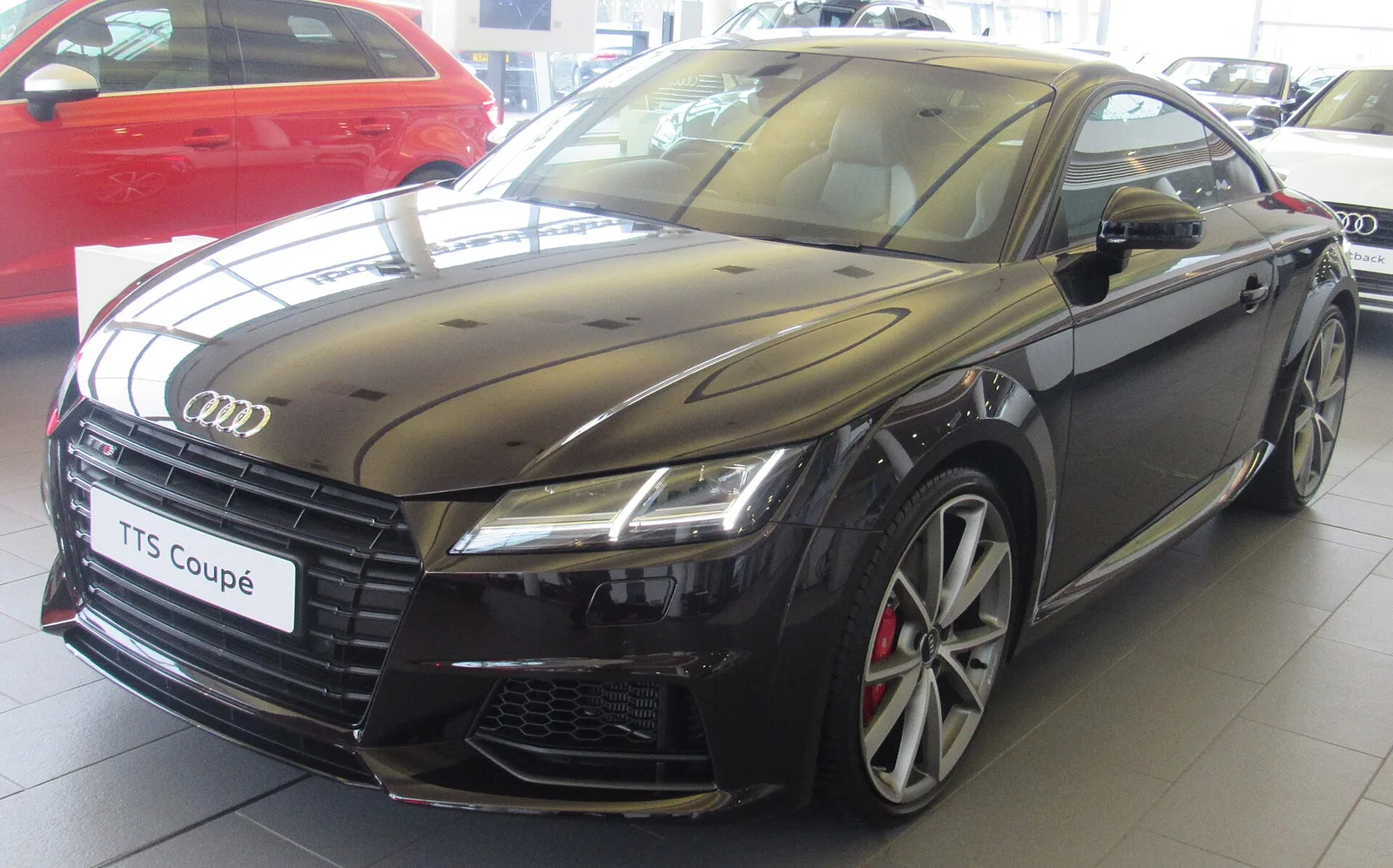
Audi TTS Coupe · TTS Coupe (2016–2023) · 2016–2023.
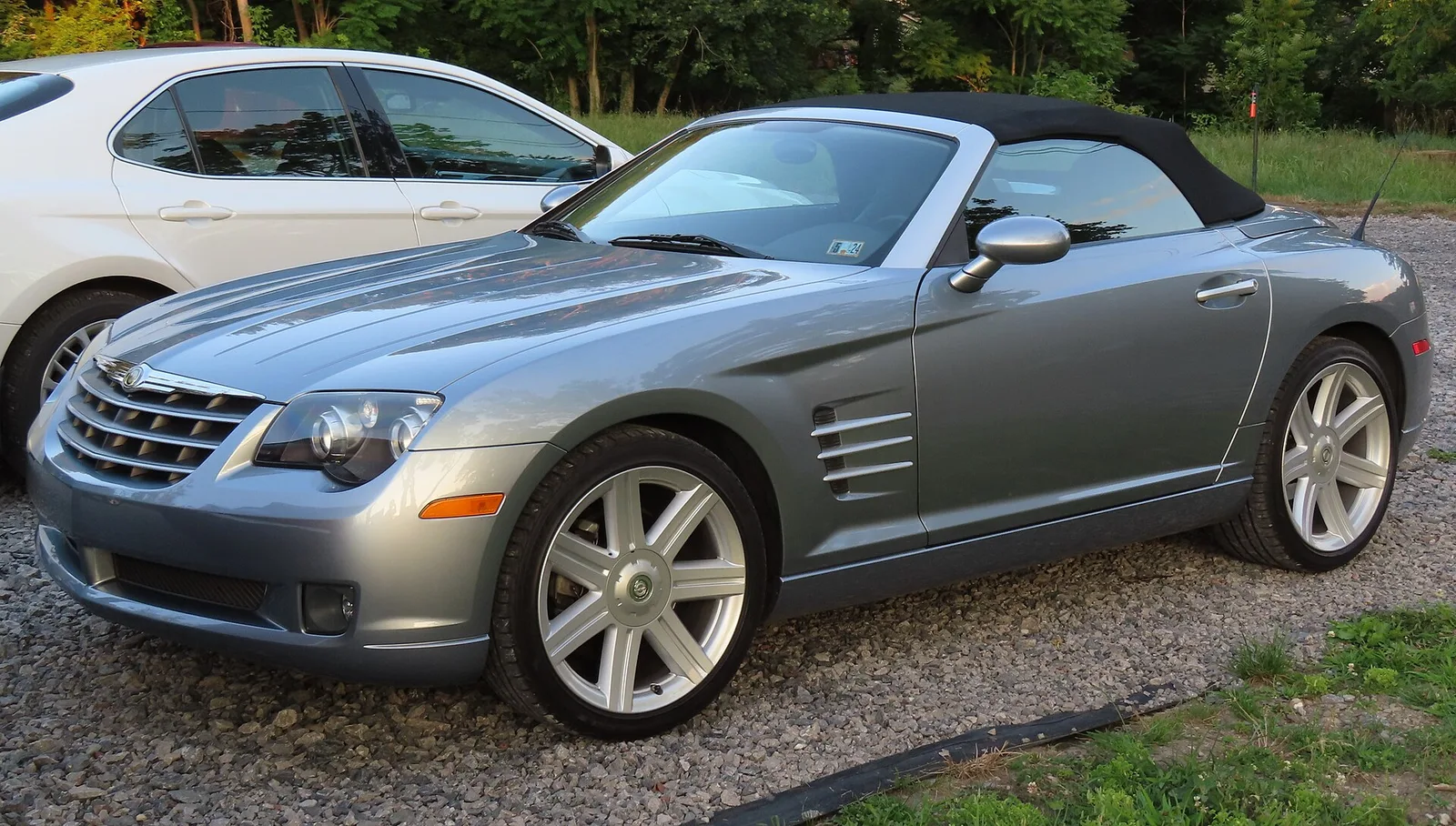
A product of the DaimlerChrysler merger, the Crossfire shares 80% of its parts with the Mercedes-Benz SLK — German bones under American badges.