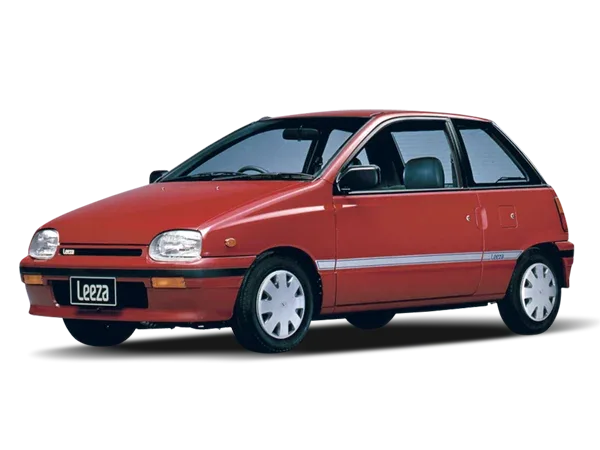
Most Leezas sold in Japan weren't legally cars at all: Daihatsu built them with strapping points and fold-out rear seats so buyers could register them as commercial vehicles and dodge the tax.
Median 197 hp across 194 similar cars
Lead trim: 547 cc EB21/26 turbo · up to 63 hp
Daihatsu Leeza L100 / L1111986–1993
- 0spots by members
- Unclaimednobody has spotted one yet
- 0sets it belongs to
Nobody in Burbles has spotted a Daihatsu Leeza L100 / L111 yet. See one on the street, point the app at it, and the first card is yours — with your @handle permanently credited on this page.
FactMost Leezas sold in Japan weren't legally cars at all: Daihatsu built them with strapping points and fold-out rear seats so buyers could register them as commercial vehicles and dodge the tax.
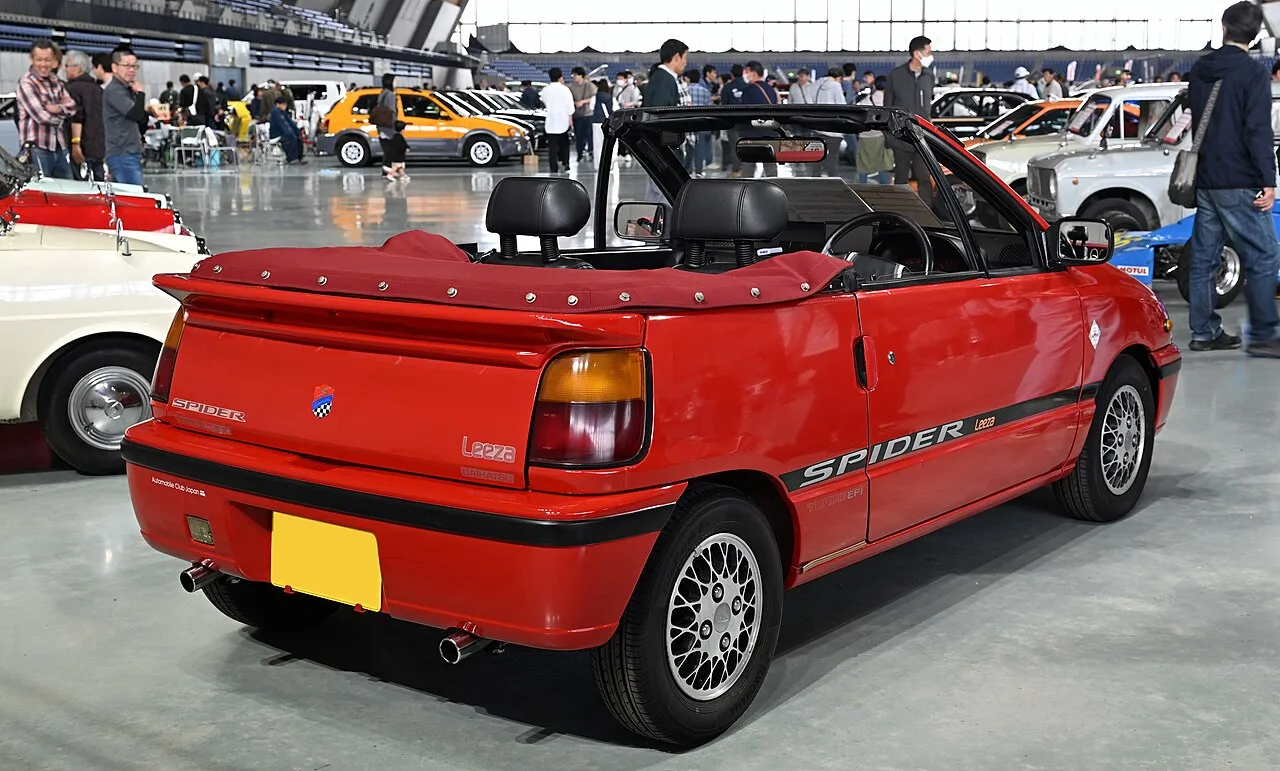
The Daihatsu Leeza is a kei car with semi-coupé styling, launched in Japan in December 1986 and discontinued in August 1993 after it had been largely replaced by the Opti in 1992. While having coupé lines, most of the Leezas sold in Japan were technically commercial vehicles, with strapping points and temporary rear seats, to take advantage of ample tax breaks for such vehicles. The 550 cc model (L100) used carburetted 547 cc EB-series three-cylinder engines of 33 or 50 PS depending on whether a turbocharger was fitted, and the 660 cc model (L111) used the 659 cc EF-series. In late 1987 a limited-edition variant called Cha Cha was introduced, aimed at women around the age of 30.
Collectors Spotted in the Daihatsu Leeza Lineage
No member has published a public street spot of the Daihatsu Leeza yet — the First · Worldwide stamp is wide open.
Trims & Figures
4 published trims in the catalogue. A blank is a figure not recorded, not zero.
| Trim | Years | Engine | Power | Torque | 0–60 | Drive | Gearbox | MSRP |
|---|---|---|---|---|---|---|---|---|
| 547 cc EB10/50 | 1986–1993 | 0.5 L Inline-3 | — | — | — | — | — | — |
| 547 cc EB21/26 turbo | 1986–1993 | 0.5 L Inline-3 | 49 hp | 51 lb-ft | — | — | — | — |
| 659 cc EF-HL | 1986–1993 | 0.7 L Inline-3 | 49 hp | 38 lb-ft | — | — | — | — |
| 659 cc EF-JL turbo | 1986–1993 | 0.7 L Inline-3 | 63 hp | 68 lb-ft | — | — | — | — |
Owning one
We don’t estimate running costs for a car like this. What it costs depends on its condition, its specialist and how it is driven, and an average would mislead.
Owners’ builds
Nobody has claimed one yet.
Photographs
Rivals
Same body, same money, other badges — tap any card to flip.
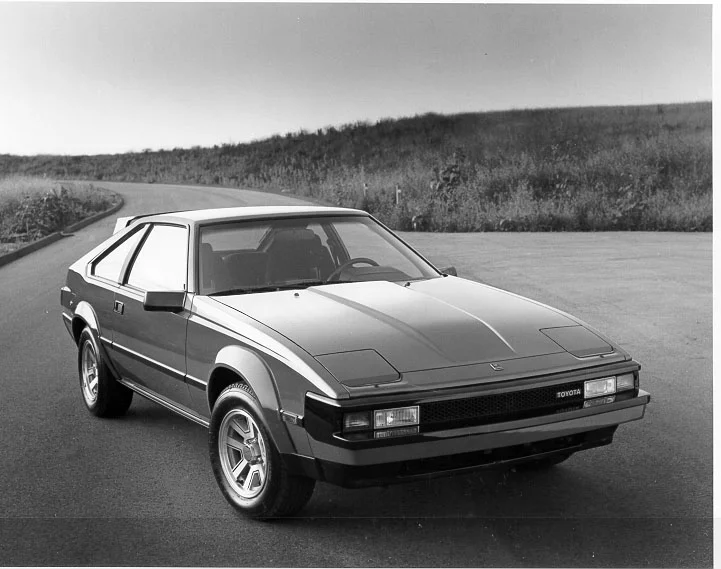
The Celica XX, Japan's name for the A60 Supra, introduced the world's first in-car navigation computer.
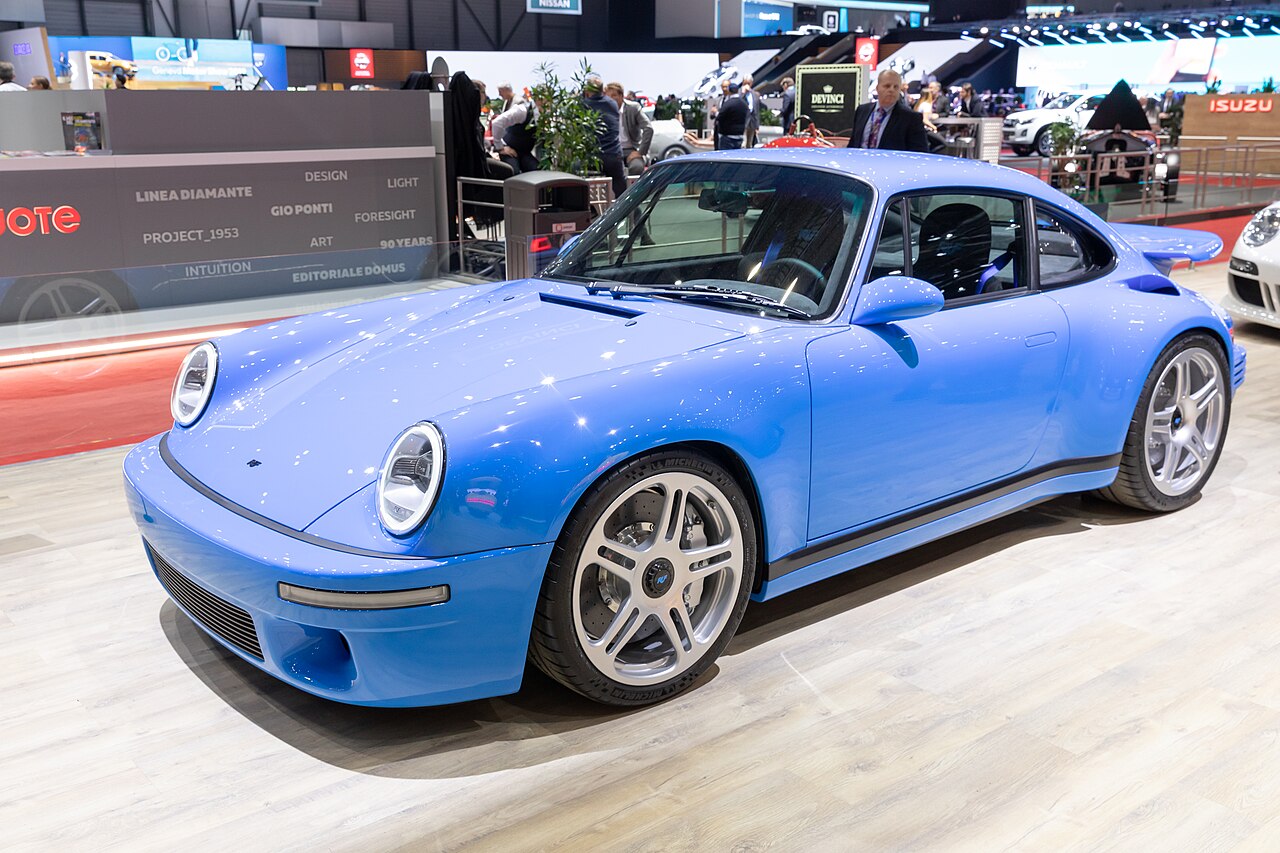
The CTR Anniversary looks like a 911 but Ruf built its carbon monocoque from scratch, no Porsche body underneath.
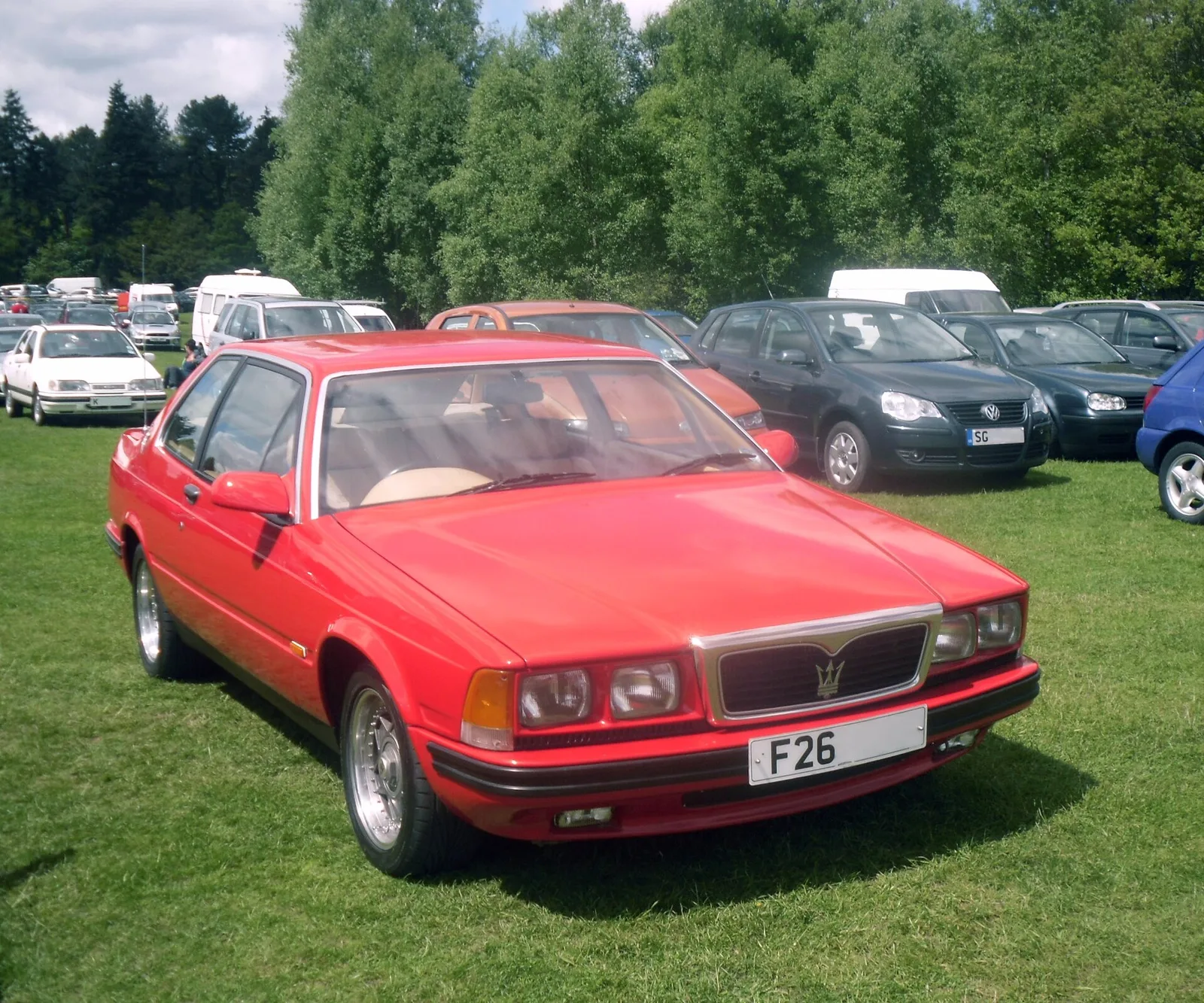
The 228's coupe styling hides a sedan underneath: Maserati stretched it onto the longer four-door Biturbo chassis to make room for its biggest V6, which is literally where the name comes from — 2-door, 2.8 litre.
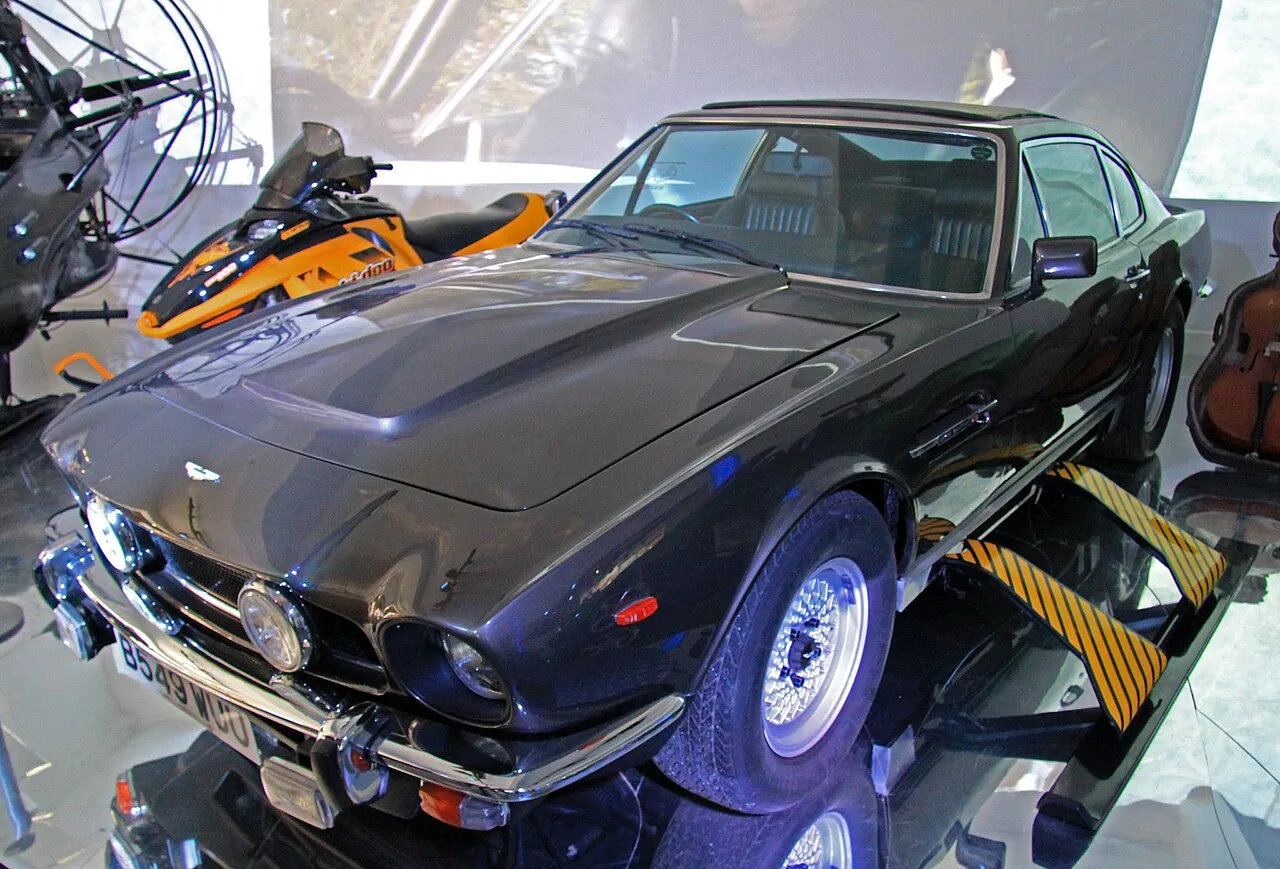
Switching to fuel injection let this V8 finally shed its trademark bonnet bulge — and only 405 of these flat-hooded Series 5 cars were built before the whole model retired in 1989.
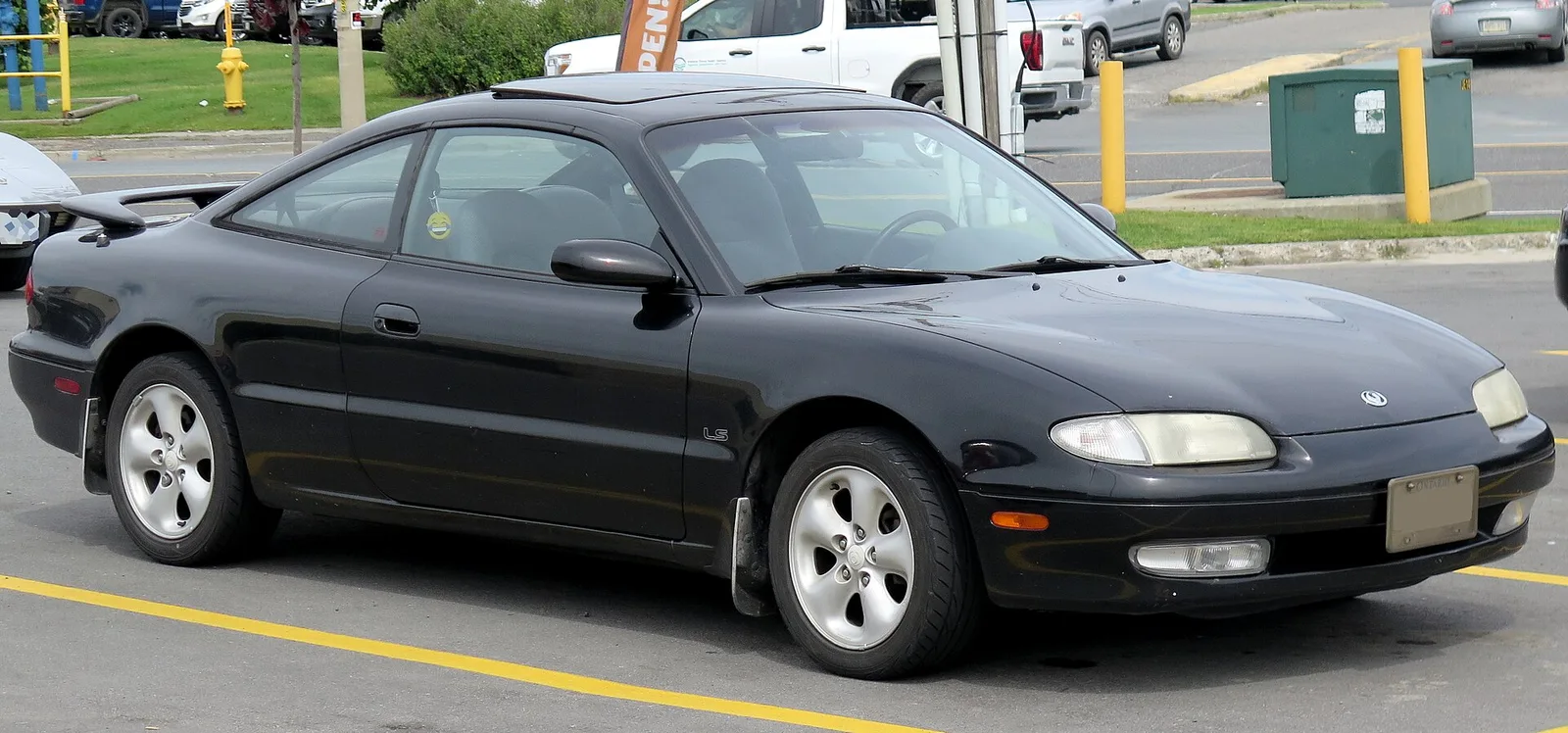
Japanese buyers got a secret weapon in their MX-6 — the JDM-only KL-ZE V6 made about 40 more horsepower than the engine sold in the exact same car in North America.
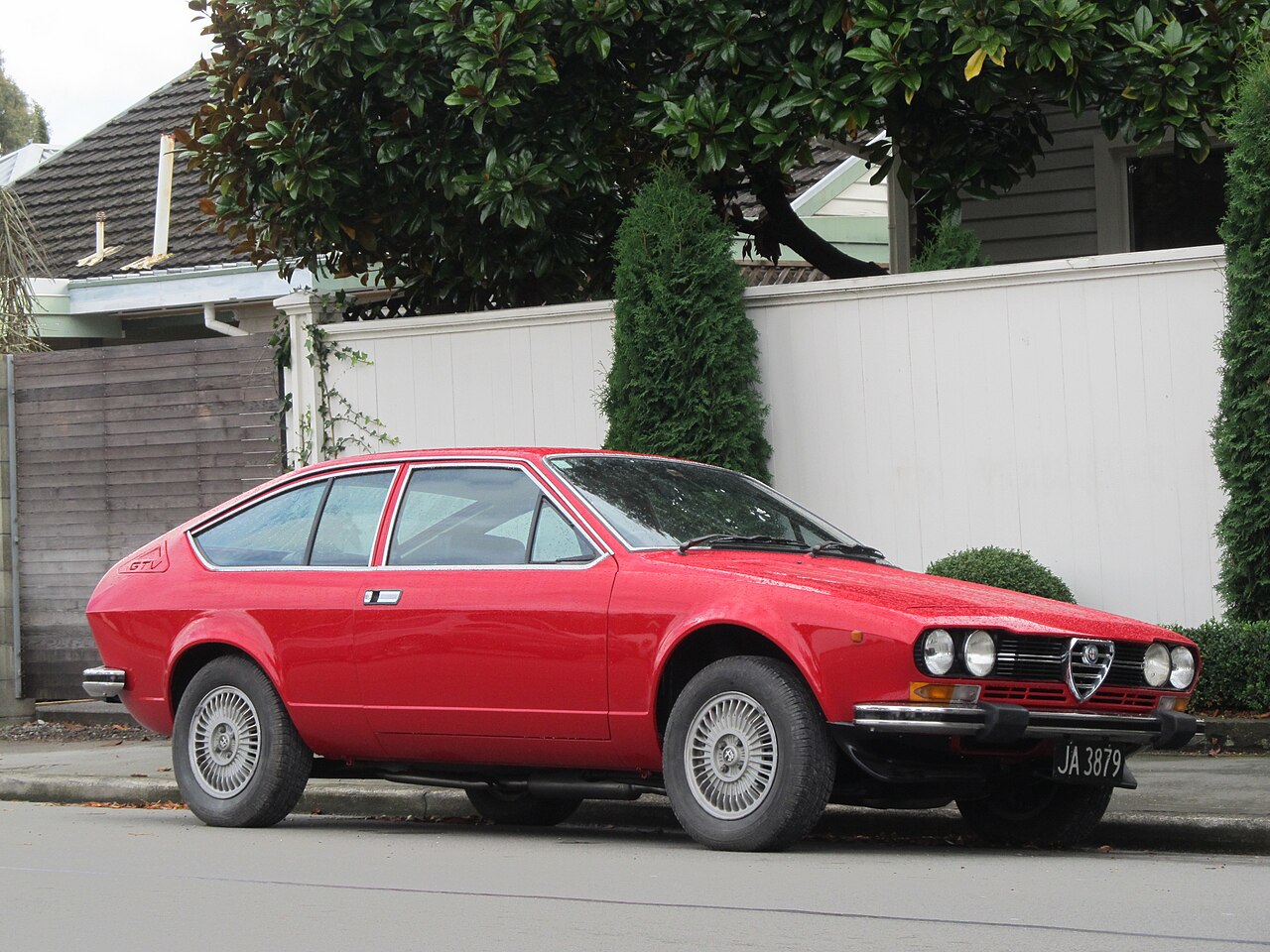
An American tuner, Callaway Cars, built twin-turbo conversions of the GTV6 that boosted its V6 by fifty percent to 230 hp — turning Alfa's grand tourer into something far quicker than the factory ever intended.
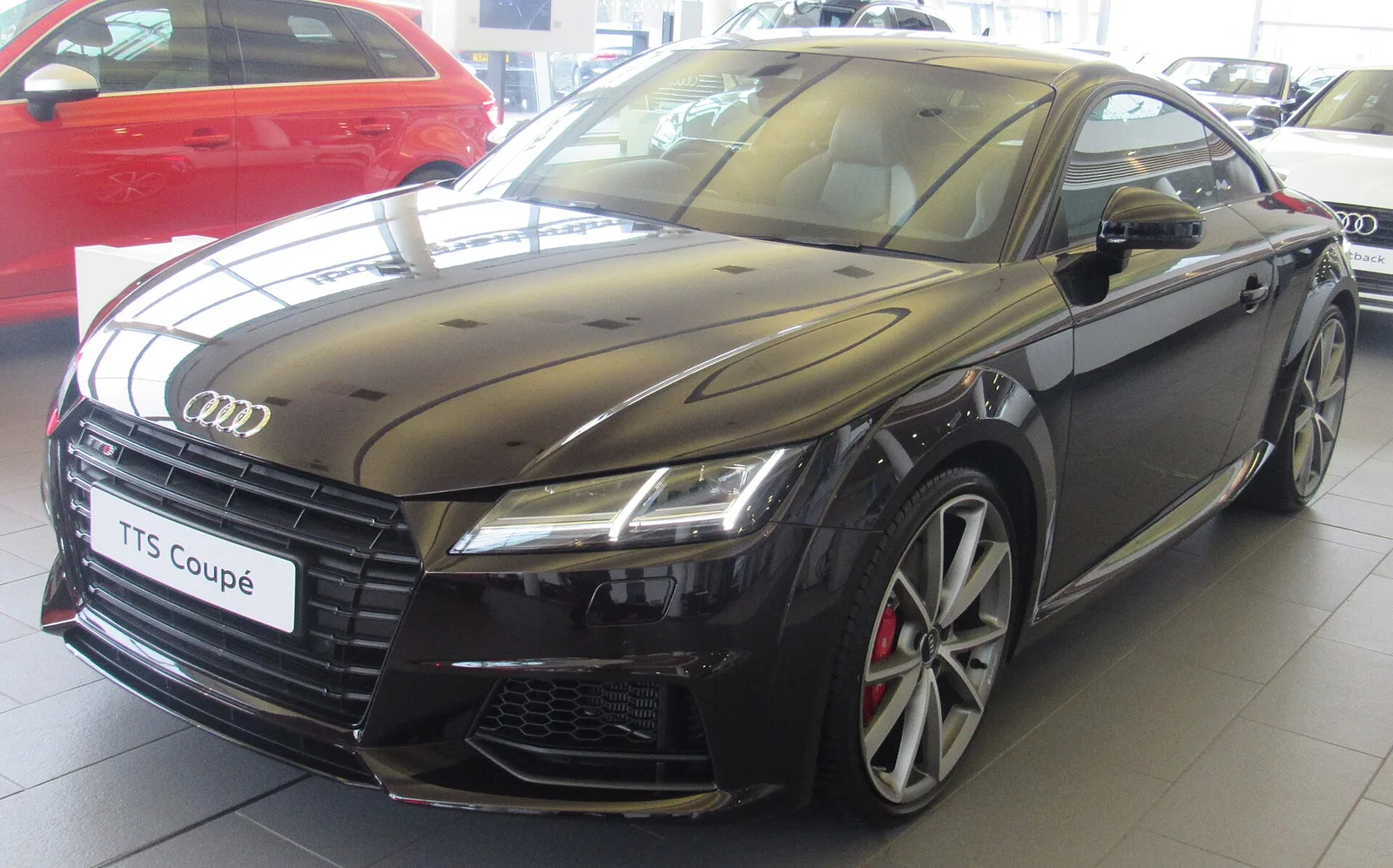
Audi TTS Coupe · TTS Coupe (2016–2023) · 2016–2023.
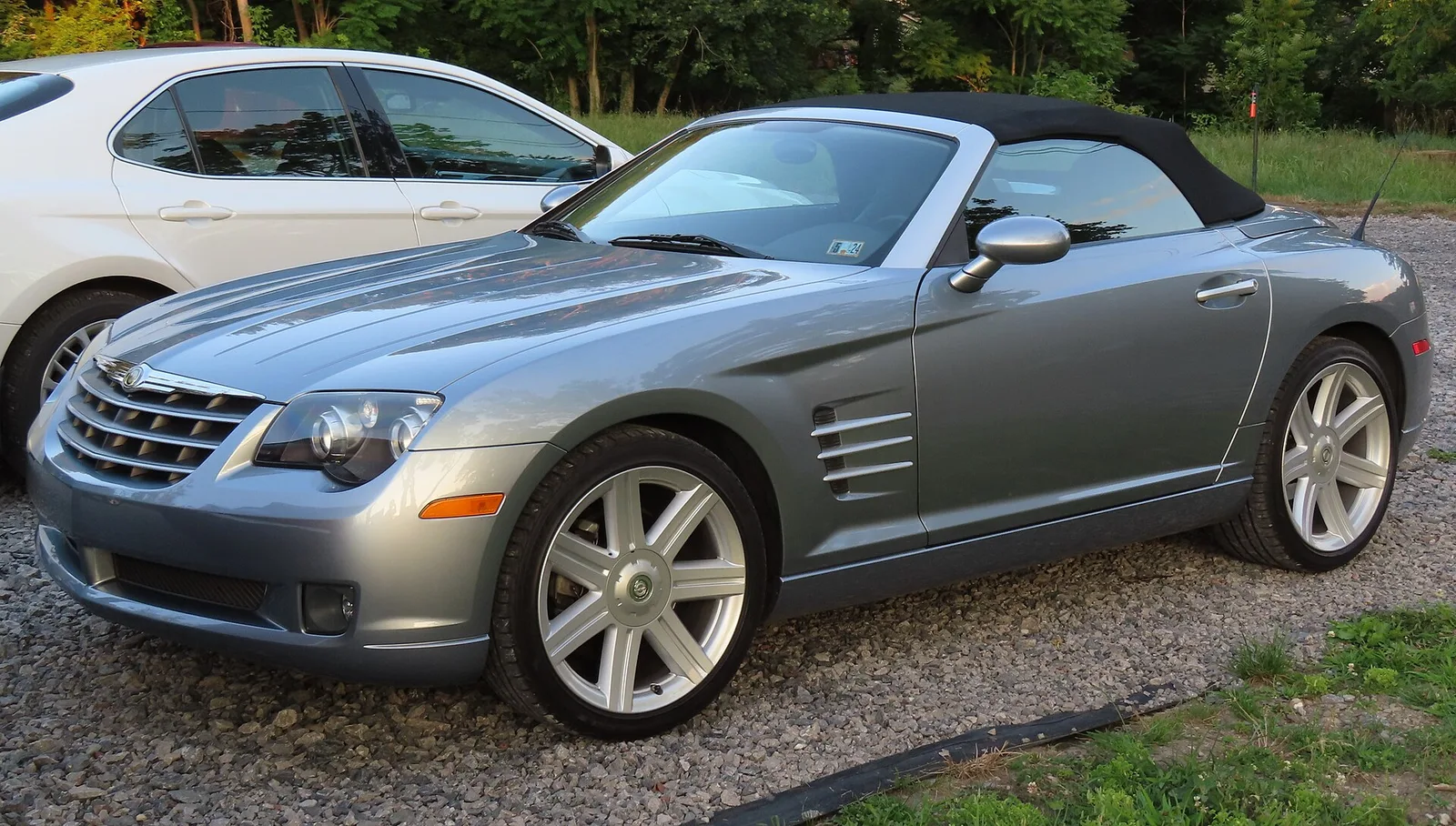
A product of the DaimlerChrysler merger, the Crossfire shares 80% of its parts with the Mercedes-Benz SLK — German bones under American badges.