The 340 V8 in this SE only existed because a Bathurst homologation ute test at Mallala went badly and Chrysler had 336 engines to unload.
Median 159 hp across 92 similar cars
Lead trim: Charger 770 SE E55 5.6 340 V8 4bbl (275 bhp)
Chrysler Valiant Charger 770 SE E551971–1972
- 0spots by members
- Unclaimednobody has spotted one yet
- 0sets it belongs to
Nobody in Burbles has spotted a Chrysler Valiant Charger 770 SE E55 yet. See one on the street, point the app at it, and the first card is yours — with your @handle permanently credited on this page.
FactThe 340 V8 in this SE only existed because a Bathurst homologation ute test at Mallala went badly and Chrysler had 336 engines to unload.
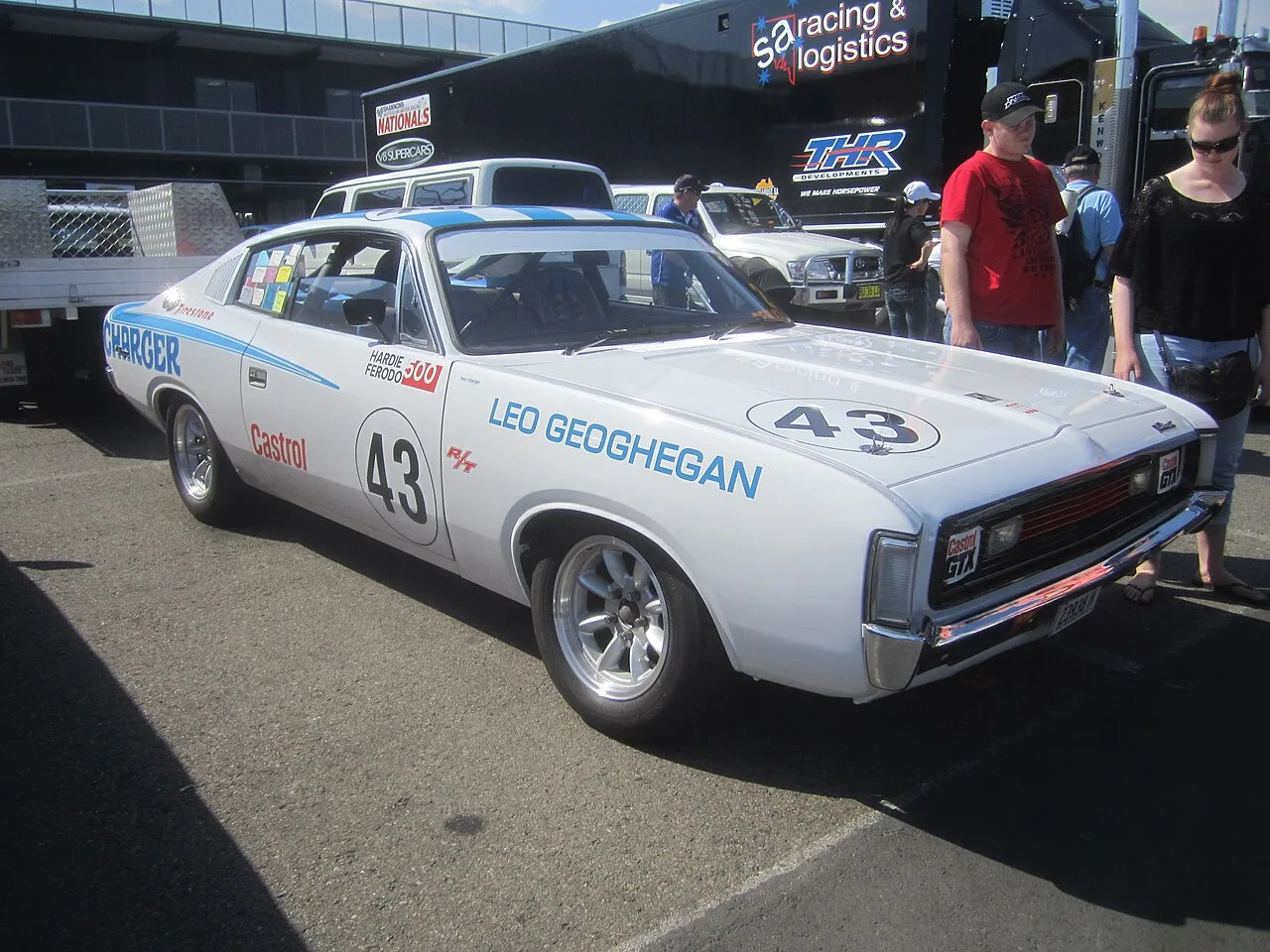
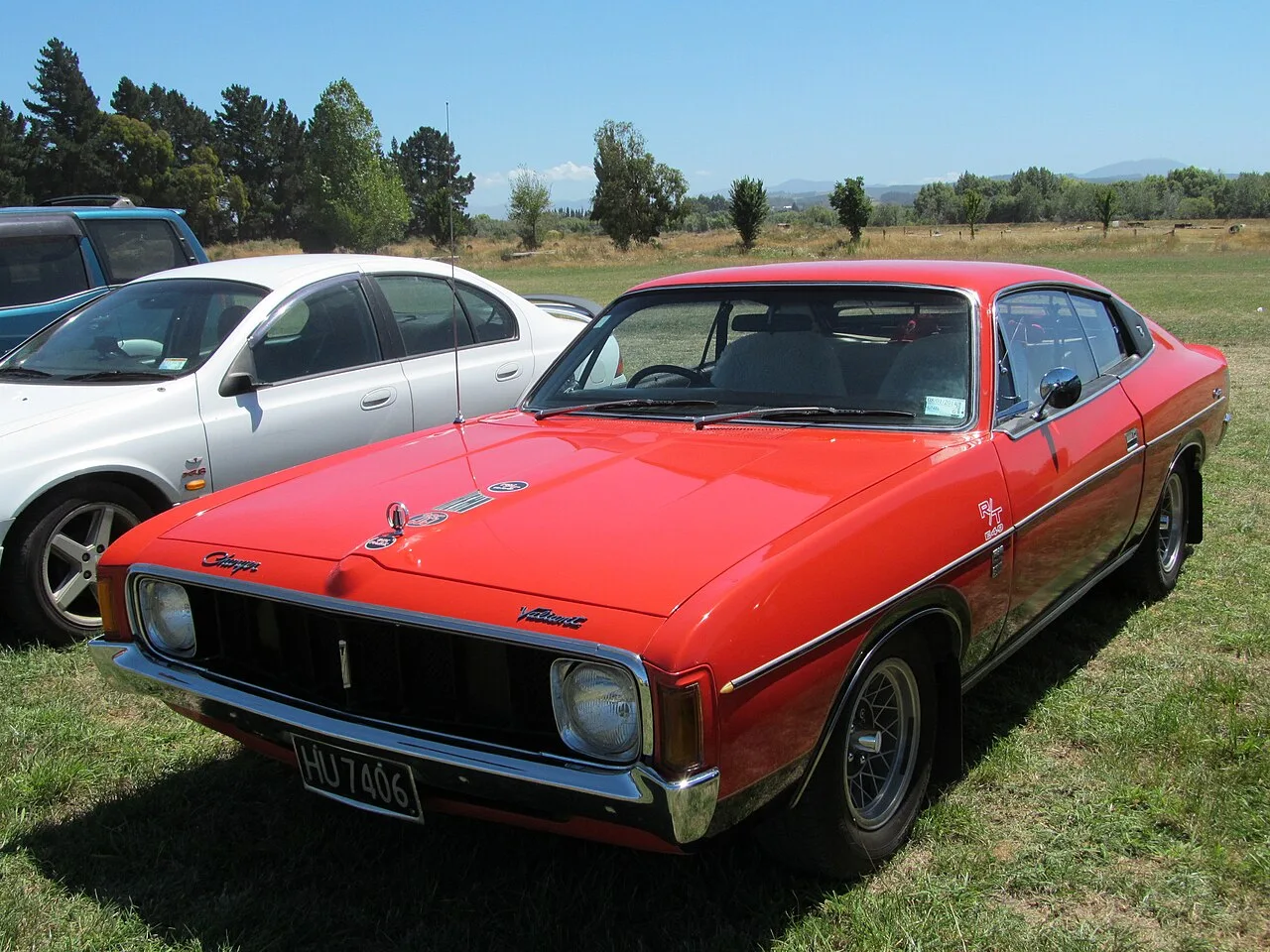
The Charger 770 SE (Special Edition) featured the E55 option: the imported 340 cu in (5.6 L) 4bbl V8 (275 bhp, $4850) with an imported 727 Torqueflite three-speed automatic. Many journalists correctly reported at the time that the engines had been imported by Chrysler for an aborted racing touring-car homologation exercise: a ute with the 340 and the R/T's wheelbase, tested at Mallala by Leo Geoghegan (and on local roads by Leo and Ian), was 2–3 seconds slower than the E49 (the heavier V8 caused severe understeer), but the extra power was expected to help at Bathurst. Chief engineer Walt McPherson had instructed Colin Adey to import 336 340 engines and 4-speed boxes, but after bad press the 340 programme was aborted and the stock recouped by selling the engines in the upmarket 770 SE (Grand Tourer), with a single-pipe exhaust that further watered down performance. Signature details included black-and-white or maroon vinyl trim, a turned-metal dash fascia and just three colours (Vintage Red, Limelight green, Sunfire yellow metallic); Chrysler built a total of 125 VH Charger 770 SEs, two painted White and one Deep Maroon.
Collectors Spotted in the Chrysler Valiant Charger Lineage
No member has published a public street spot of the Chrysler Valiant Charger yet — the First · Worldwide stamp is wide open.
Trims & Figures
One published trim in the catalogue. A blank is a figure not recorded, not zero.
| Trim | Years | Engine | Power | Torque | 0–60 | Drive | Gearbox | MSRP |
|---|---|---|---|---|---|---|---|---|
| Charger 770 SE E55 5.6 340 V8 4bbl (275 bhp) | 1971–1972 | 5.6 L V8 | 275 hp | 340 lb-ft | — | RWD | — | — |
Owning one
We don’t estimate running costs for a car like this. What it costs depends on its condition, its specialist and how it is driven, and an average would mislead.
Owners’ builds
Nobody has claimed one yet.
Photographs
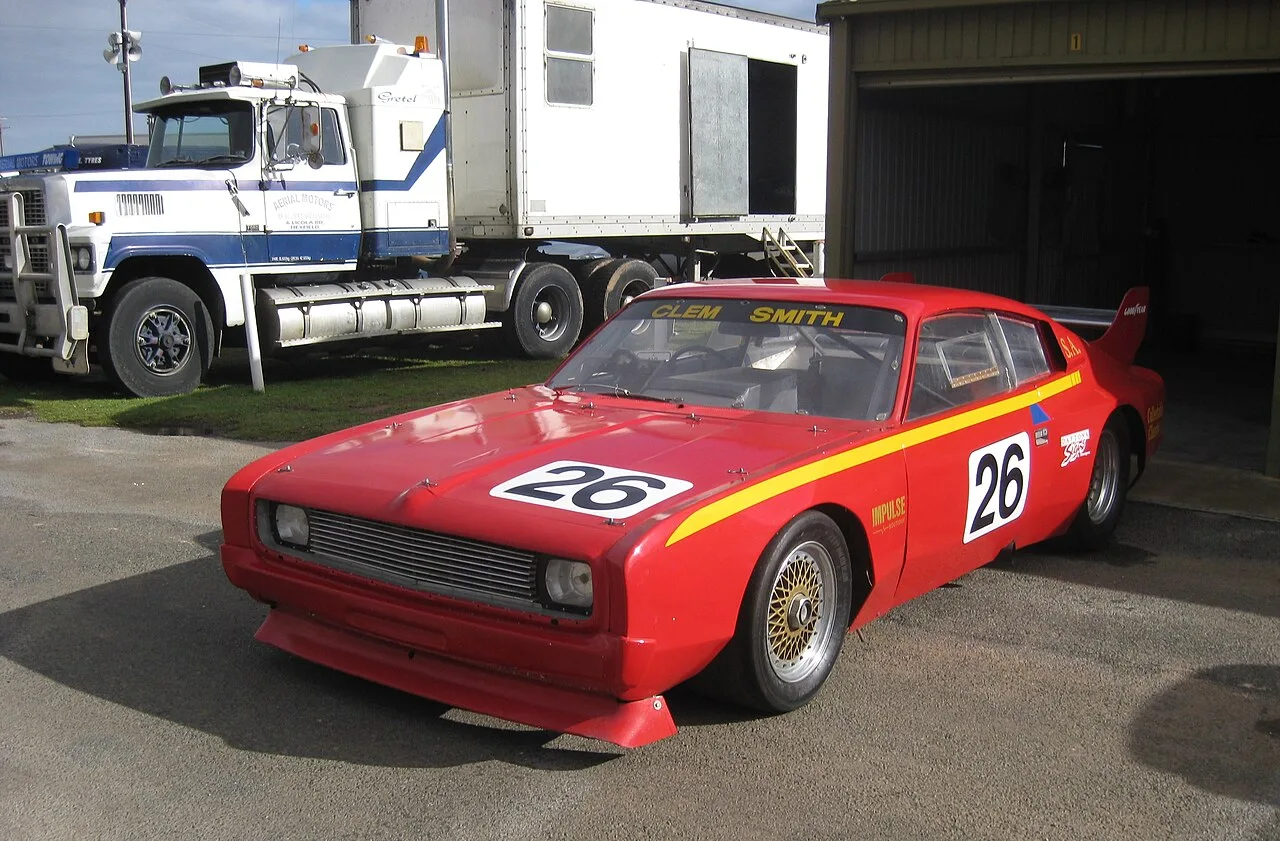
Internally slated as the VL, this Charger was renamed CL at the last minute to match Chrysler's new corporate naming across the range.
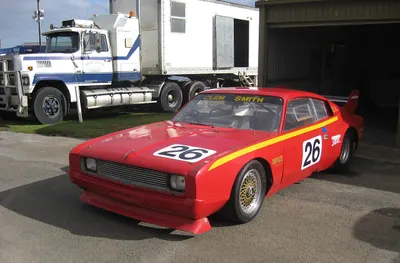
The VK dropped Valiant script for Chrysler badges alone, the moment the car quietly stopped being a Valiant at all.
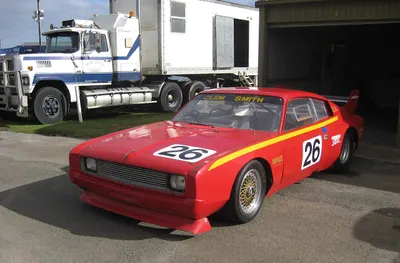
When the imported 340 V8 ran out mid-production, Chrysler simply raided the long-wheelbase Chrysler by Chrysler sedan for its 360 V8 instead.
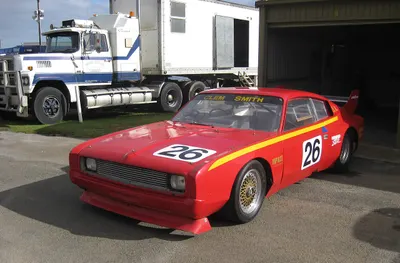
The E49 Charger's straight-six made so much torque off its seven-bearing bottom end that no production six-cylinder matched it again until Porsche's 911 Turbo arrived in 1975.
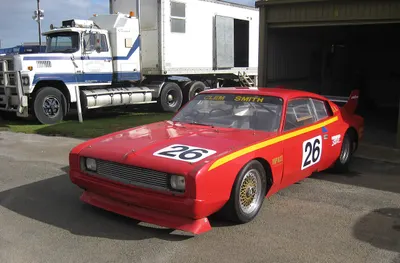
Chrysler's factory withdrawal from Australian touring car racing at the end of 1972 effectively ended the R/T along with the VH series.
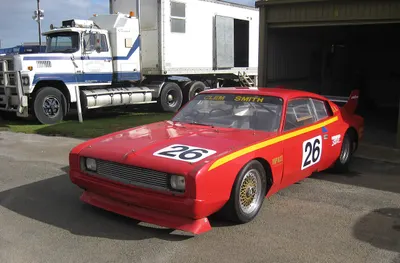
The 340 V8 in this SE only existed because a Bathurst homologation ute test at Mallala went badly and Chrysler had 336 engines to unload.
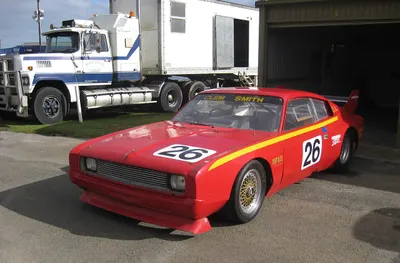
Chrysler widened the Charger's axle beyond any American A-body, running a 5x114.3mm bolt pattern the US wouldn't adopt until 1973.
Rivals
Same body, same money, other badges — tap any card to flip.
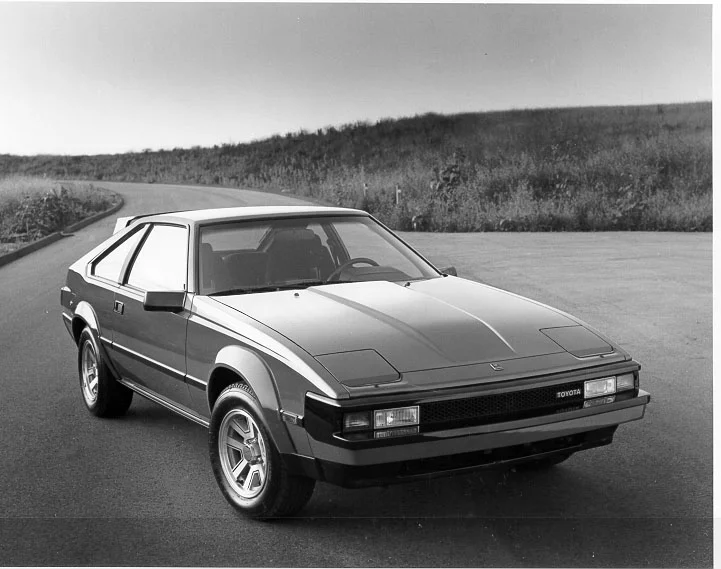
The Celica XX, Japan's name for the A60 Supra, introduced the world's first in-car navigation computer.
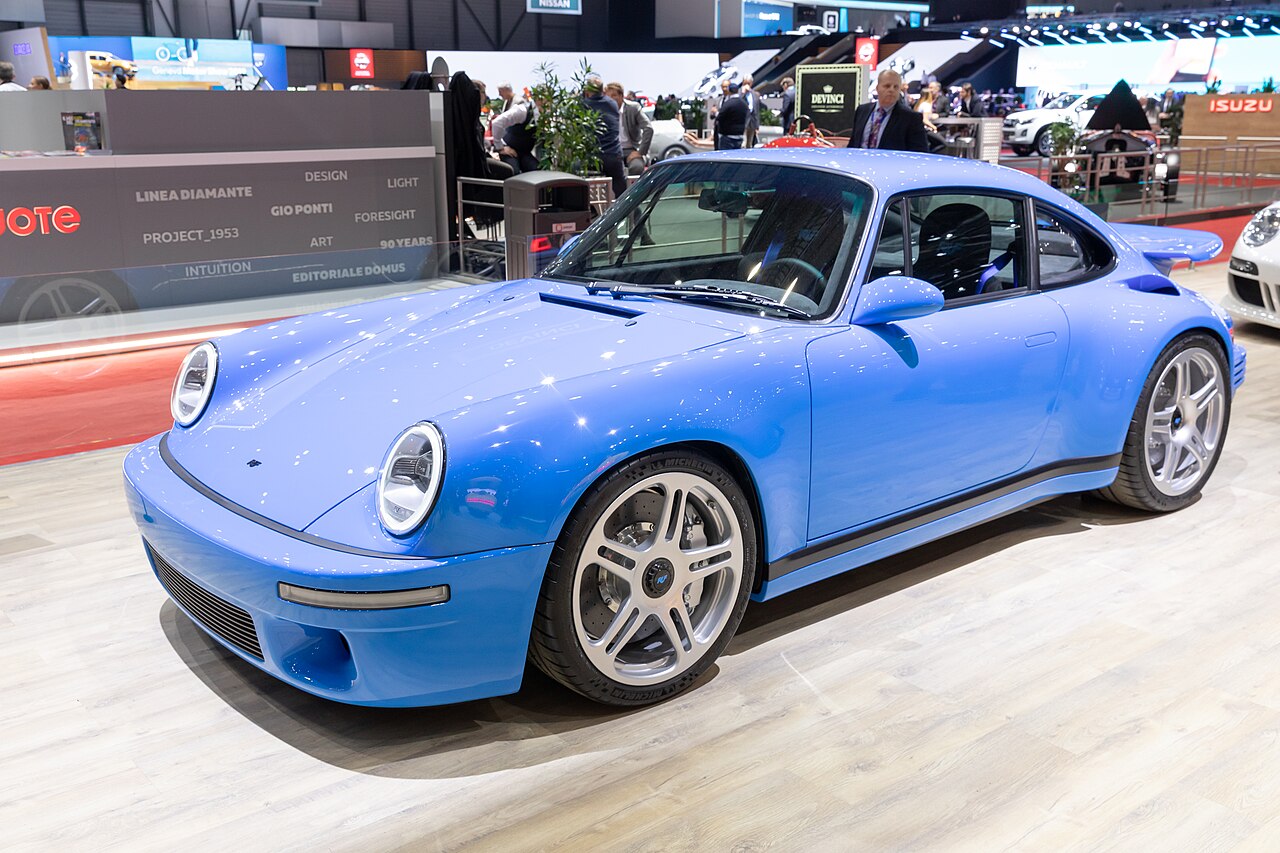
The CTR Anniversary looks like a 911 but Ruf built its carbon monocoque from scratch, no Porsche body underneath.
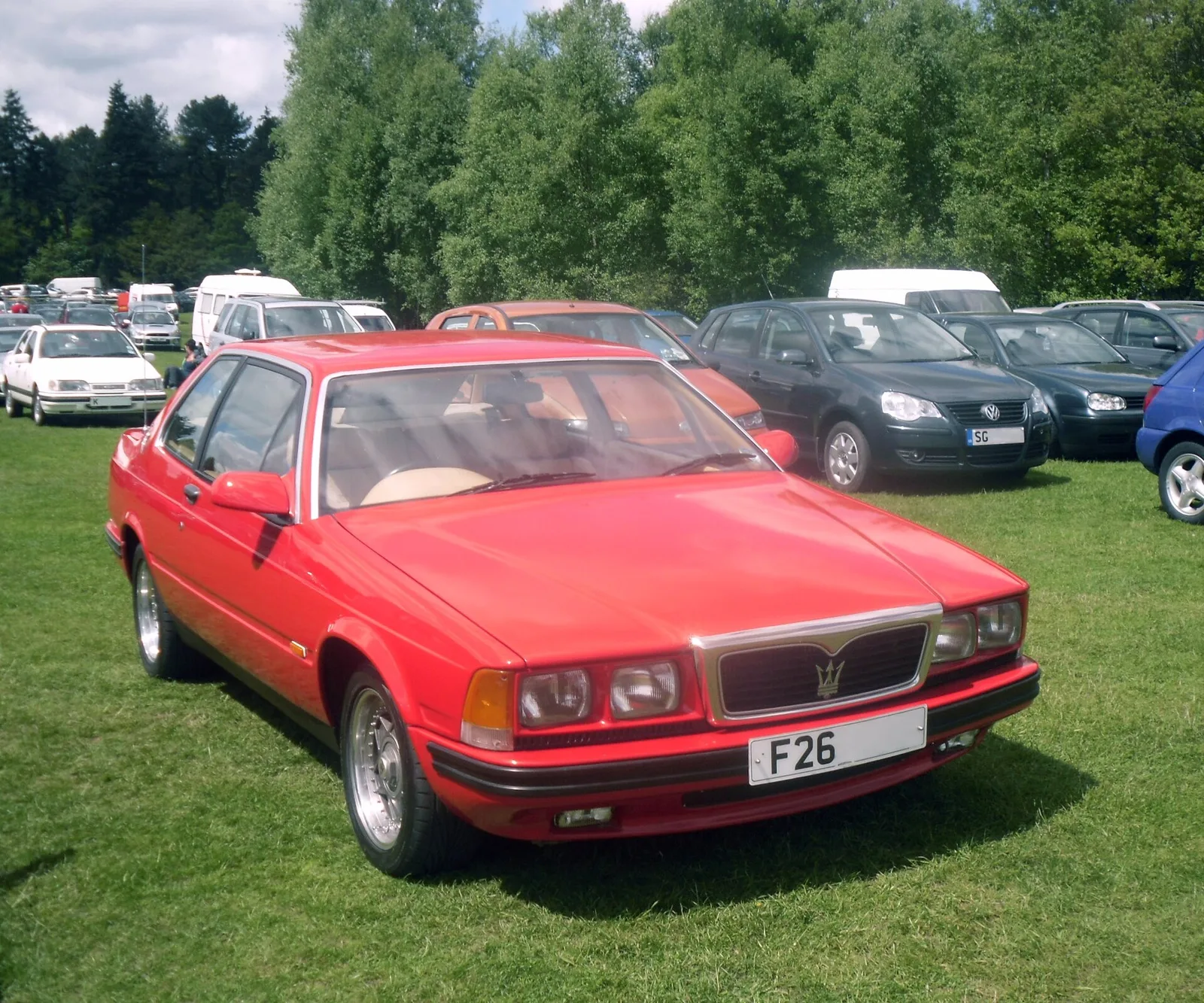
The 228's coupe styling hides a sedan underneath: Maserati stretched it onto the longer four-door Biturbo chassis to make room for its biggest V6, which is literally where the name comes from — 2-door, 2.8 litre.
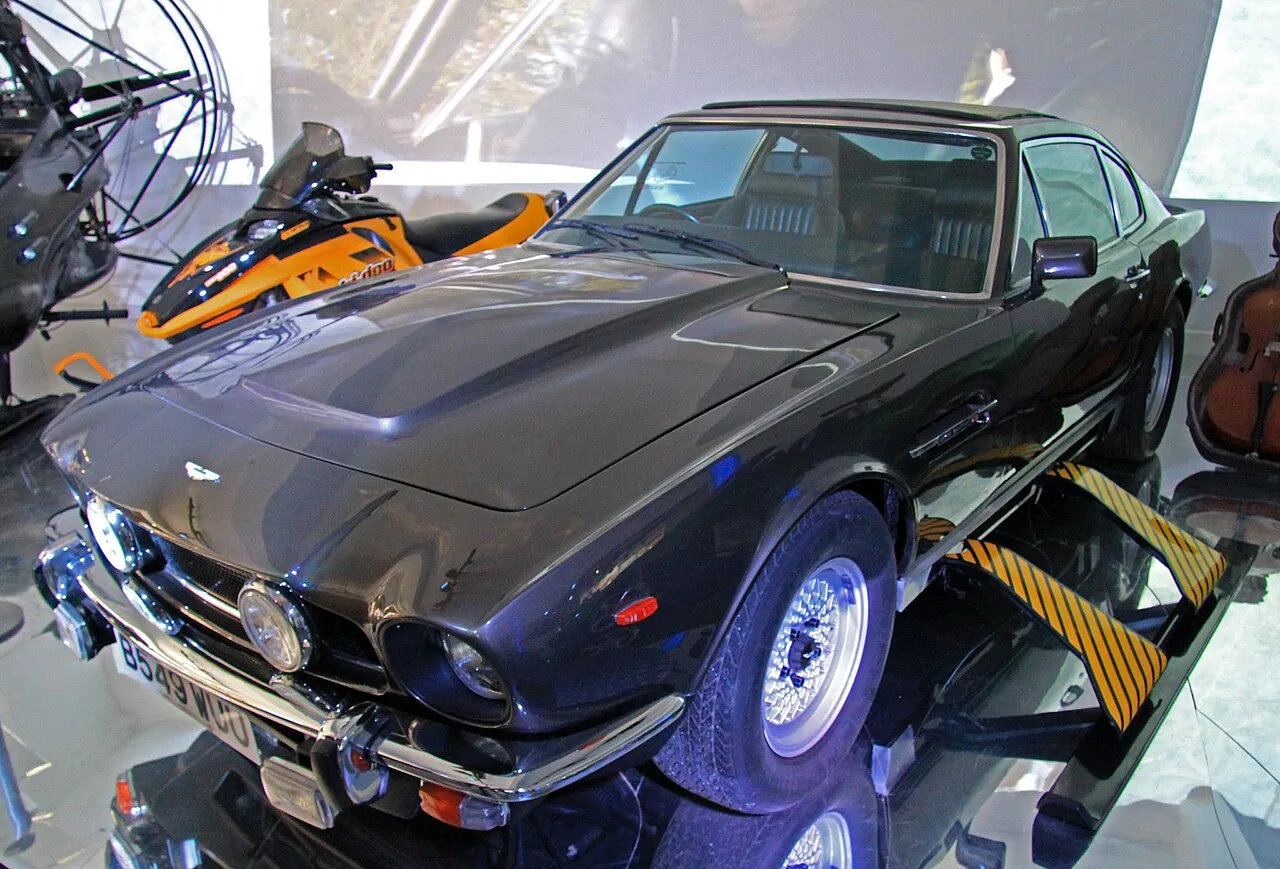
Switching to fuel injection let this V8 finally shed its trademark bonnet bulge — and only 405 of these flat-hooded Series 5 cars were built before the whole model retired in 1989.
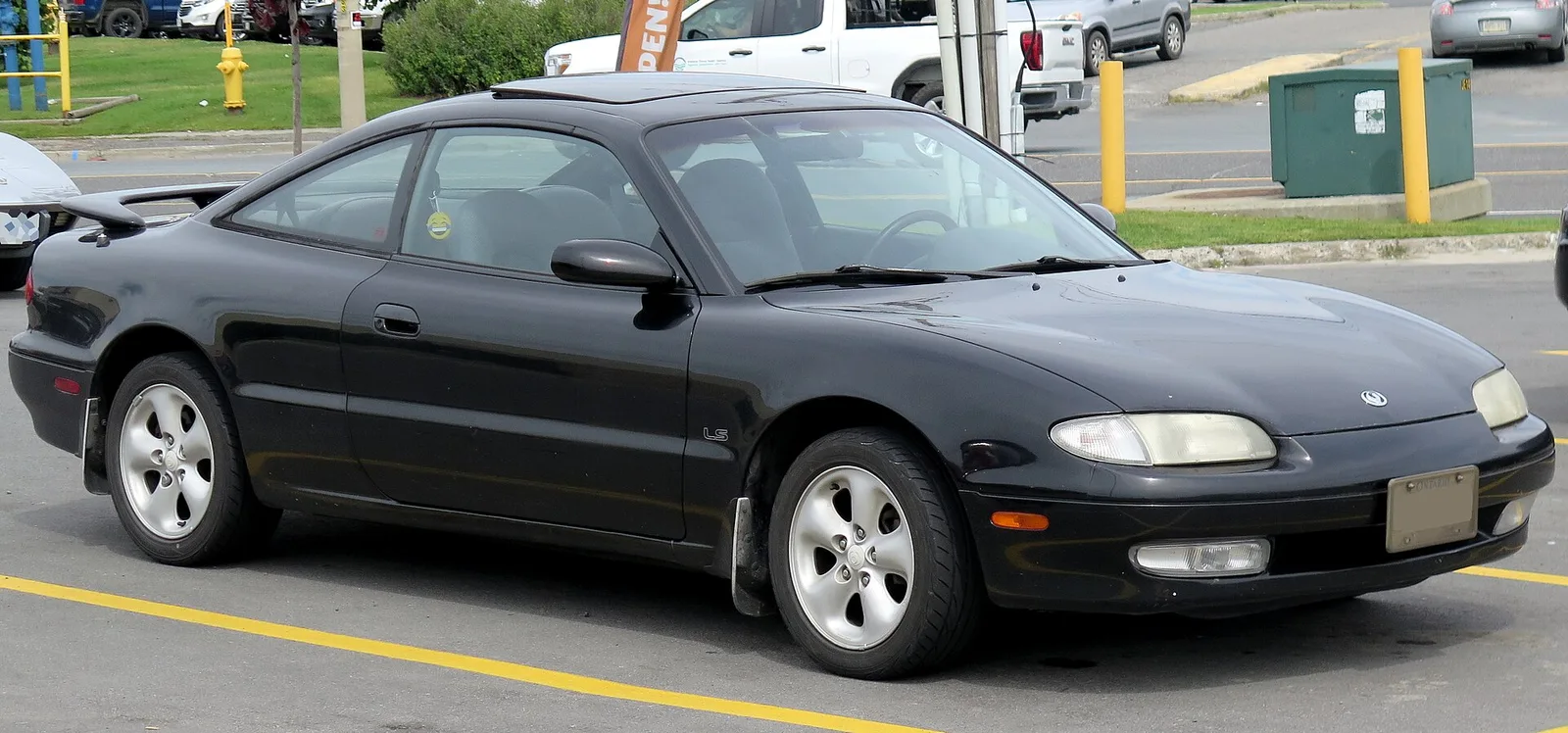
Japanese buyers got a secret weapon in their MX-6 — the JDM-only KL-ZE V6 made about 40 more horsepower than the engine sold in the exact same car in North America.
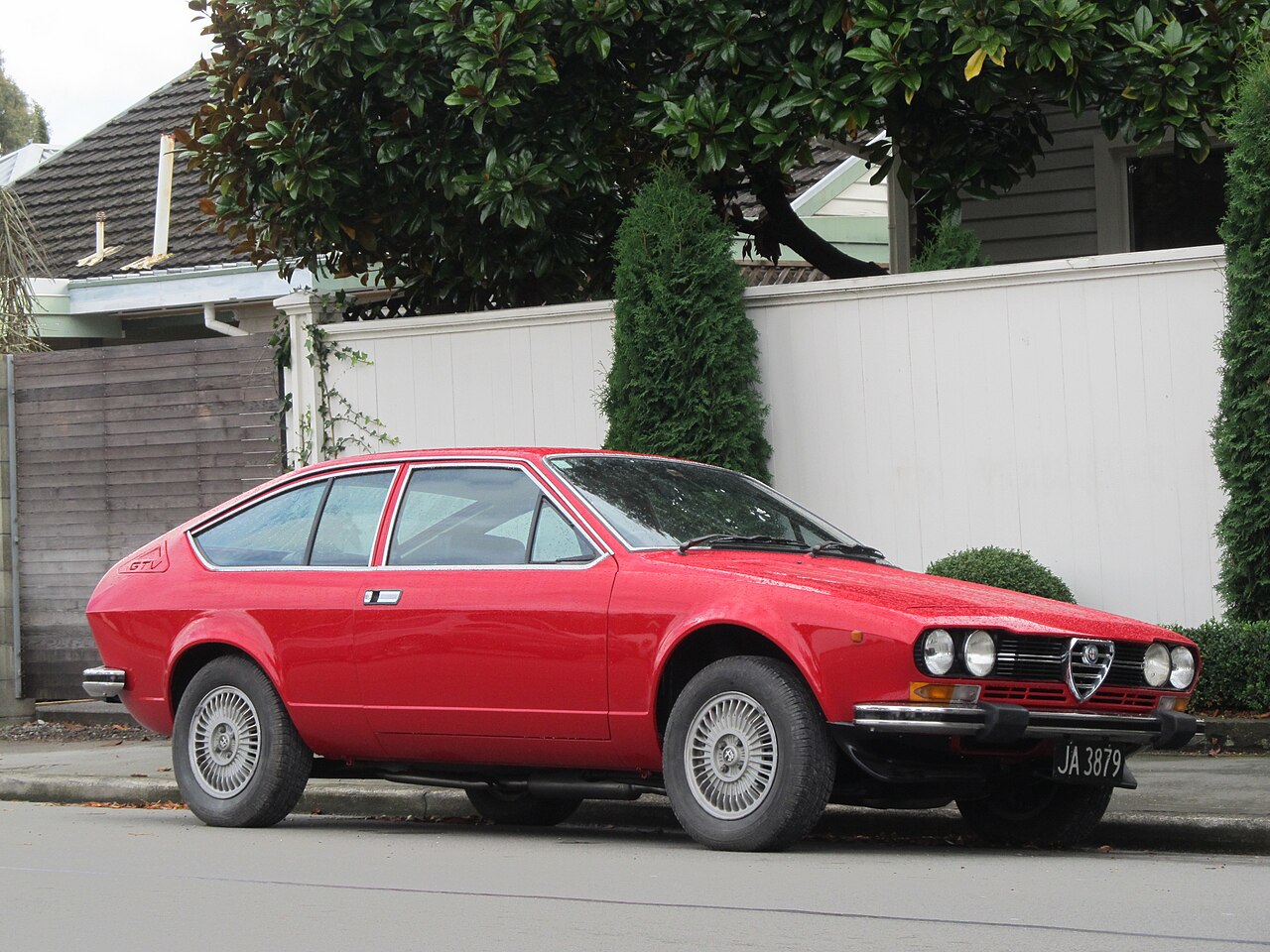
An American tuner, Callaway Cars, built twin-turbo conversions of the GTV6 that boosted its V6 by fifty percent to 230 hp — turning Alfa's grand tourer into something far quicker than the factory ever intended.
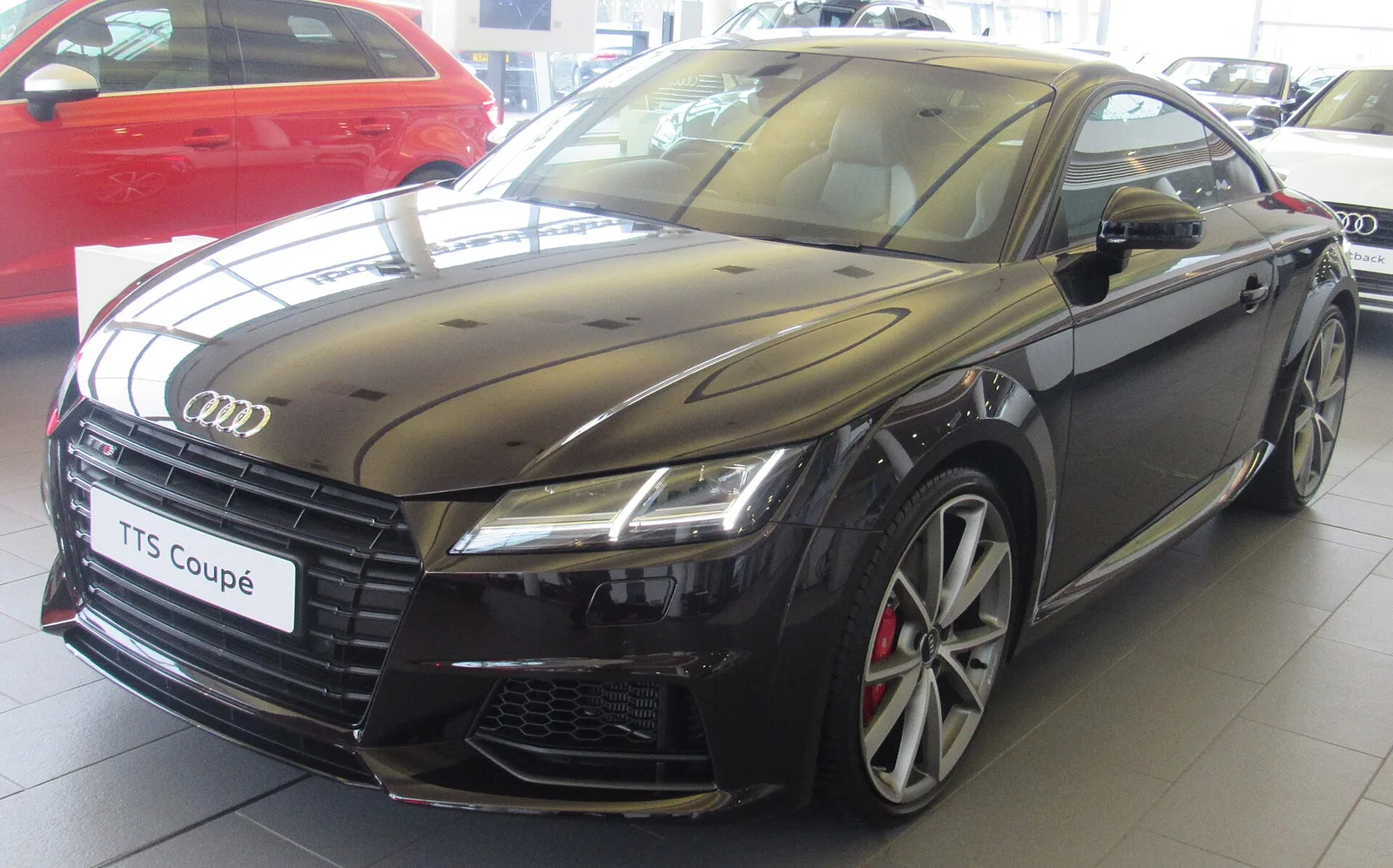
Audi TTS Coupe · TTS Coupe (2016–2023) · 2016–2023.
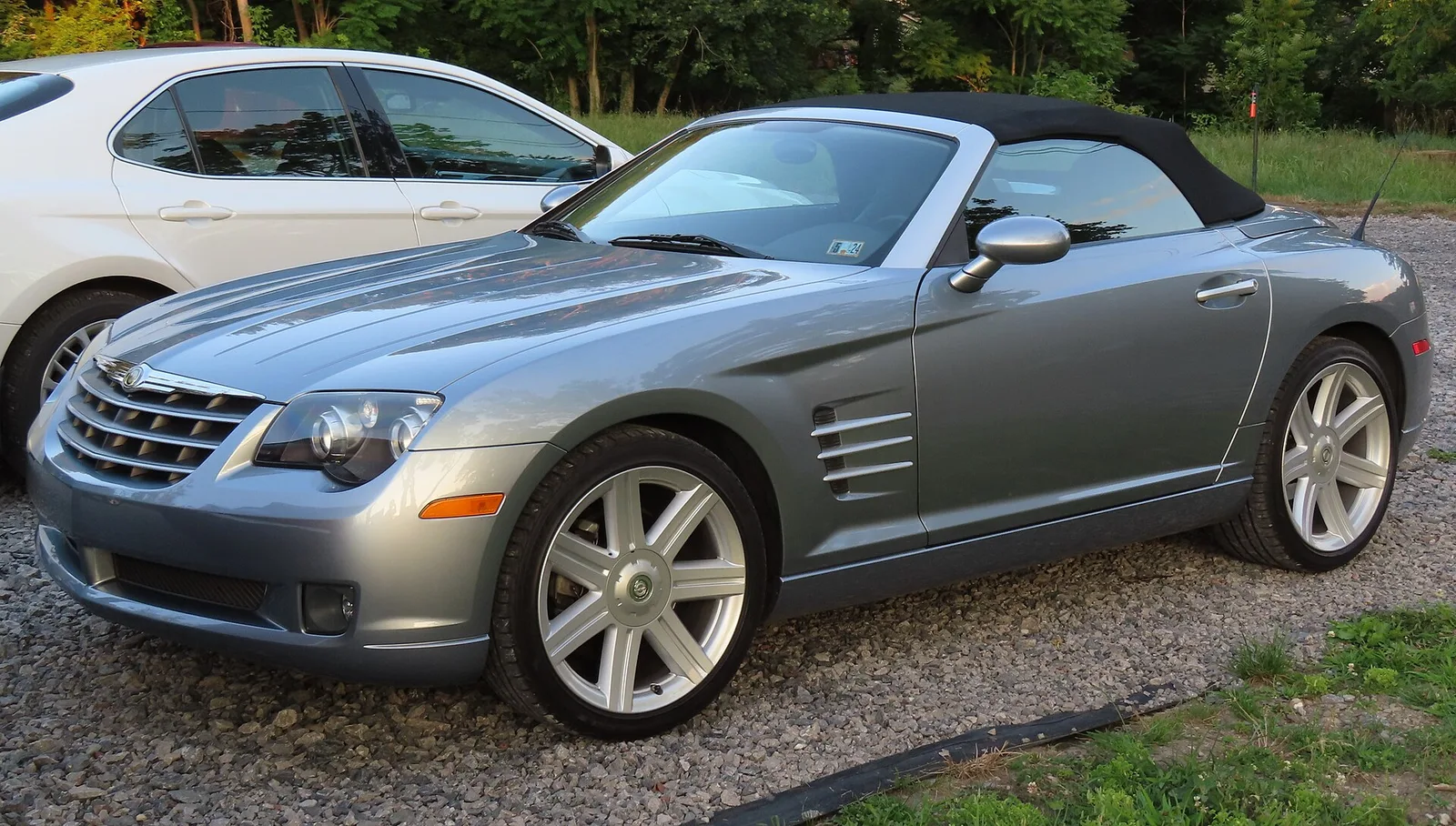
A product of the DaimlerChrysler merger, the Crossfire shares 80% of its parts with the Mercedes-Benz SLK — German bones under American badges.