GM engineered the Monza around a Wankel rotary engine, then killed the rotary over emissions and dropped in a V8 instead.
Lead trim: Monza Dura-built 140 four (1976; 70 hp) · up to 145 hp
Chevrolet MonzaH-BODY · 1975–1980
- 0spots by members
- Unclaimednobody has spotted one yet
- 0sets it belongs to
Nobody in Burbles has spotted a Chevrolet Monza yet. See one on the street, point the app at it, and the first card is yours — with your @handle permanently credited on this page.
FactGM engineered the Monza around a Wankel rotary engine, then killed the rotary over emissions and dropped in a V8 instead.
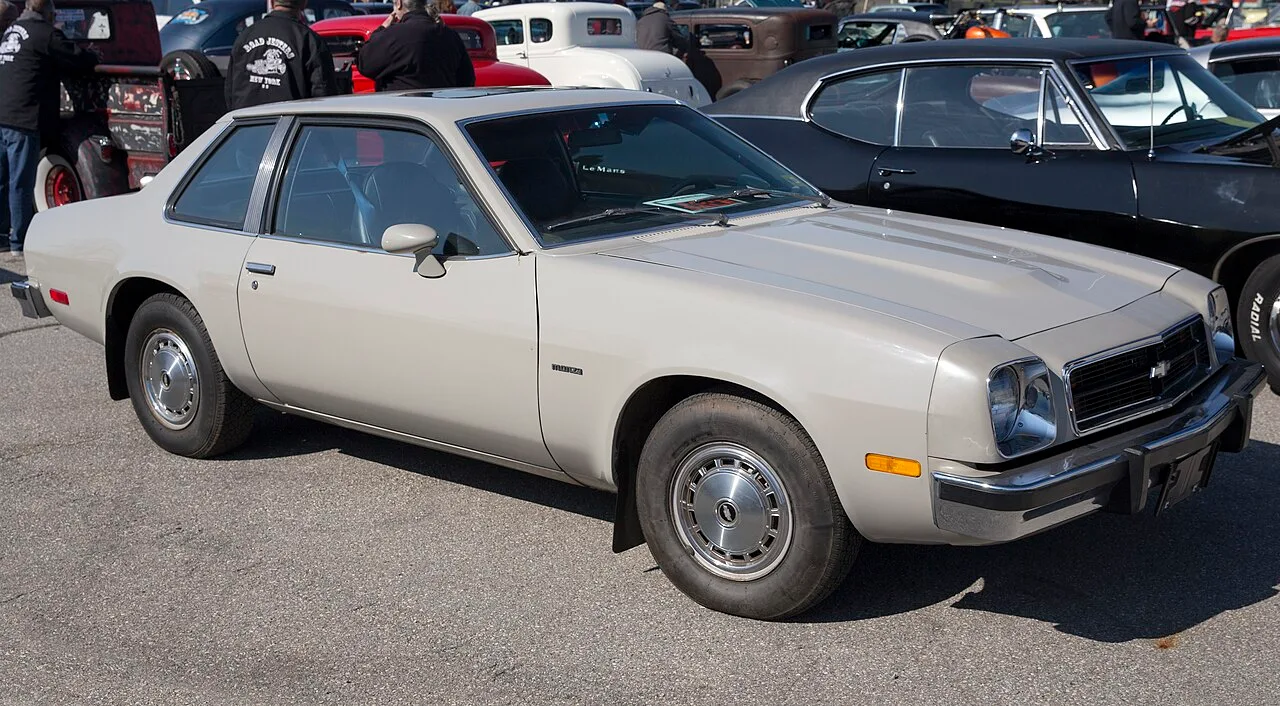
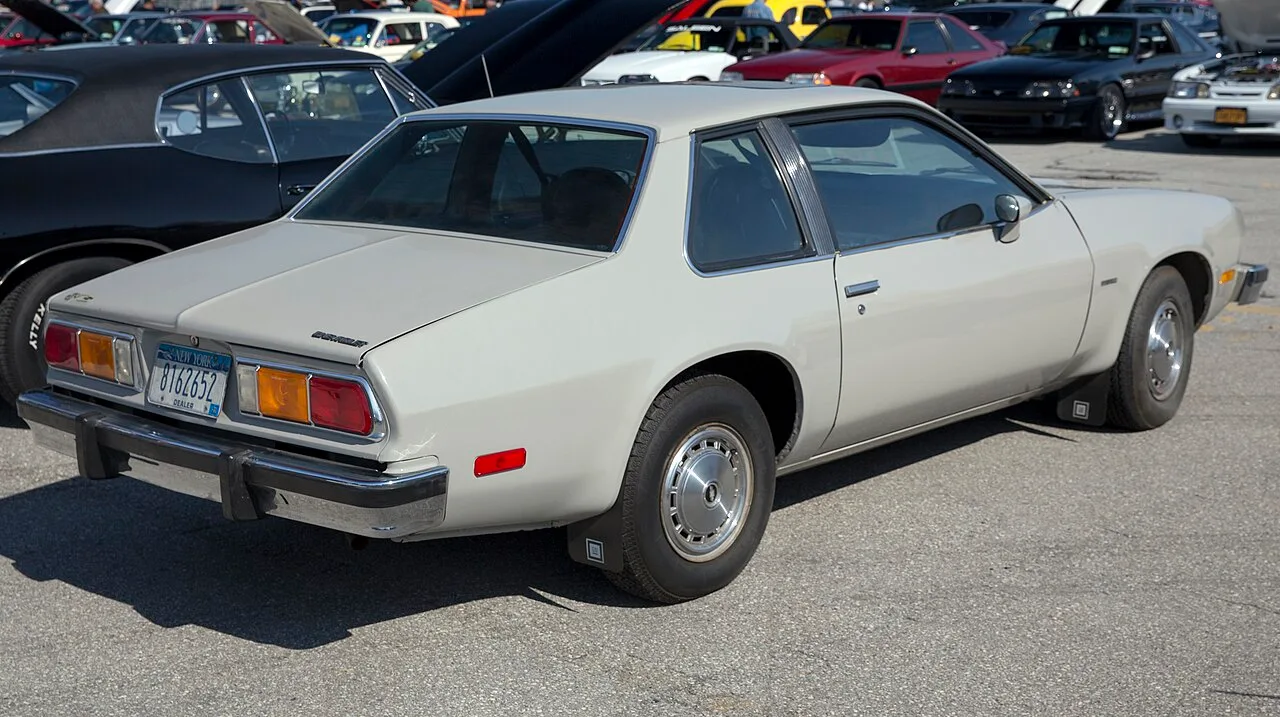
The Chevrolet Monza is a subcompact produced from 1974 until 1980 for the 1975 through 1980 model years, based on the Chevrolet Vega and sharing its wheelbase, width and standard inline-four engine; it was 4 inches longer and 180 lb heavier than the Vega, and John DeLorean nicknamed it the "Italian Vega" for its resemblance to the Ferrari 365 GTC/4. It was designed to accommodate the GM Wankel rotary engine (two rotors displacing 206 cu in), but fuel economy and emissions problems led GM to cancel the engine and a V8 option was substituted. Introduced for 1975 as the Monza 2+2 hatchback, with a slanted polyurethane nose, then-newly approved rectangular headlights and functional side-window louvers, it competed with the Ford Mustang II and won Motor Trend's Car of the Year for 1975; it was the first GM car with a torque-arm rear suspension. The Towne Coupe notchback followed in April 1975, 1.5 in shorter and 135 lb lighter than the 2+2, and a lower-priced "S" 2+2 came mid-year. The Buick Skyhawk and Oldsmobile Starfire shared the 2+2 body and the Pontiac Sunbird followed for 1976. The 1976 four-cylinder became the "Dura-built 140" with hydraulic lifters, the Spyder equipment package arrived, and the 305 V8 was introduced for California and high-altitude cars; 1977 brought the Z01 ($274) and Z02 ($199) Spyder packages and the one-year Mirage appearance package (about 4,097 built by Michigan Auto Techniques), and the Pontiac 2.5 "Iron Duke" replaced the Vega four for 1978. The 1978 line added a Monza front end on the old Vega hatchback and wagon bodies, a base coupe and 2+2 with round headlights and a Monza Sport series, with Buick 3.2 and 3.8 V6 options; the 1979 lineup was cut to four models, the wagon, 3.2 V6 and 305 V8 ending with that year, and for 1980 the lineup was a base 2+2 hatchback, a notchback and a 2+2 sport, with the Buick 3.8 V6 the only option. A total of 731,504 Monzas were built in six model years before the rear-drive H-body cars gave way in spring 1981 to the front-drive J-cars (the Cavalier among them). Monzas with Corvette engines raced in the IMSA GT Series' AAGT class (Al Holbert's DeKon Monza won the Camel GT title in 1976 and 1977) and stayed in IMSA until 1986. Wheelbase 97.0 in, width 65.4 in; the length (179.3 in), height (50.2 in) and curb weight (2,800 lb) are given for the 2+2 only and are not entered. Each rating below is its own trim for its year; the page gives no ratings for the 1976 262, the 1978 and 1980 Iron Duke four or the 1980 V6.
Collectors Spotted in the Chevrolet Monza Lineage
No member has published a public street spot of the Chevrolet Monza yet — the First · Worldwide stamp is wide open.
Trims & Figures
20 published trims in the catalogue. A blank is a figure not recorded, not zero.
| Trim | Years | Engine | Power | Torque | 0–60 | Drive | Gearbox | MSRP |
|---|---|---|---|---|---|---|---|---|
| Monza 140 four (1977; 84 hp) | 1977–1977 | 2.3 L Inline-4 | 84 hp | — | — | RWD | — | — |
| Monza 140 four, one-barrel (1975; 78 hp) | 1975–1975 | 2.3 L Inline-4 | 78 hp | — | — | RWD | — | — |
| Monza 140 four, two-barrel (1975; 87 hp) | 1975–1975 | 2.3 L Inline-4 | 87 hp | 122 lb-ft | — | RWD | — | — |
| Monza 151 "Iron Duke" four (1978) | 1978–1978 | 2.5 L Inline-4 | 85 hp | 123 lb-ft | — | RWD | — | — |
| Monza 151 "Iron Duke" four (1980) | 1980–1980 | 2.5 L Inline-4 | 86 hp | 128 lb-ft | — | RWD | — | — |
| Monza 151 "Iron Duke" four, two-barrel cross-flow head (1979; 90 hp) | 1979–1979 | 2.5 L Inline-4 | 90 hp | 128 lb-ft | — | RWD | — | — |
| Monza 196 Buick V6 (1979; 105 hp) | 1979–1979 | 3.2 L V6 | 105 hp | 145 lb-ft | — | RWD | — | — |
| Monza 196 Buick V6 two-barrel (1978; 90 hp) | 1978–1978 | 3.2 L V6 | 90 hp | 185 lb-ft | — | RWD | — | — |
| Monza 231 Buick V6 (1979; 115 hp) | 1979–1979 | 3.8 L V6 | 115 hp | — | — | RWD | — | — |
| Monza 231 Buick V6 (1980) | 1980–1980 | 3.8 L V6 | 110 hp | 190 lb-ft | — | RWD | — | — |
| Monza 231 Buick V6, California and high altitude (1978; 105 hp) | 1978–1978 | 3.8 L V6 | 105 hp | 185 lb-ft | — | RWD | — | — |
| Monza 262 V8 (1976; optional in 49 states) | 1976–1976 | 4.3 L V8 | 110 hp | 200 lb-ft | — | RWD | — | — |
| Monza 262 V8 two-barrel (1975; 110 hp) | 1975–1975 | 4.3 L V8 | 110 hp | 200 lb-ft | — | RWD | — | — |
| Monza 305 V8 (1977; 145 hp) | 1977–1977 | 5.0 L V8 | 145 hp | 245 lb-ft | — | RWD | — | — |
| Monza 305 V8 (1978; 145 hp) | 1978–1978 | 5.0 L V8 | 145 hp | 245 lb-ft | — | RWD | — | — |
| Monza 305 V8 (1979; 130 hp) | 1979–1979 | 5.0 L V8 | 130 hp | — | — | RWD | — | — |
| Monza 305 V8 two-barrel, California and high altitude (1976; 140 hp) | 1976–1976 | 5.0 L V8 | 140 hp | — | — | RWD | — | — |
| Monza 350 V8 two-barrel, California and high altitude (1975; 125 hp) | 1975–1975 | 5.7 L V8 | 125 hp | 235 lb-ft | — | RWD | — | — |
| Monza Dura-built 140 four (1976; 70 hp) | 1976–1976 | 2.3 L Inline-4 | 70 hp | 120 lb-ft | — | RWD | — | — |
| Monza Dura-built 140 four, two-barrel (1976; 84 hp) | 1976–1976 | 2.3 L Inline-4 | 84 hp | 122 lb-ft | — | RWD | — | — |
Owning one
We don’t estimate running costs for a car like this. What it costs depends on its condition, its specialist and how it is driven, and an average would mislead.
Owners’ builds
Nobody has claimed one yet.
Photographs
Rivals
Same body, same money, other badges — tap any card to flip.
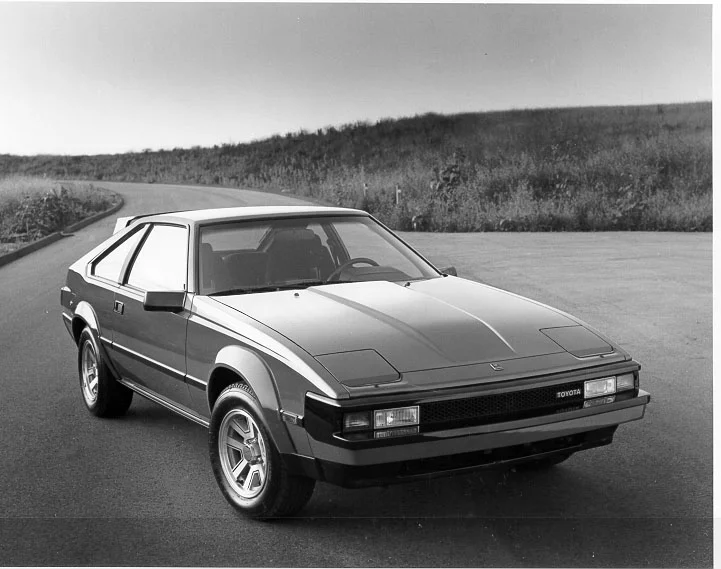
The Celica XX, Japan's name for the A60 Supra, introduced the world's first in-car navigation computer.
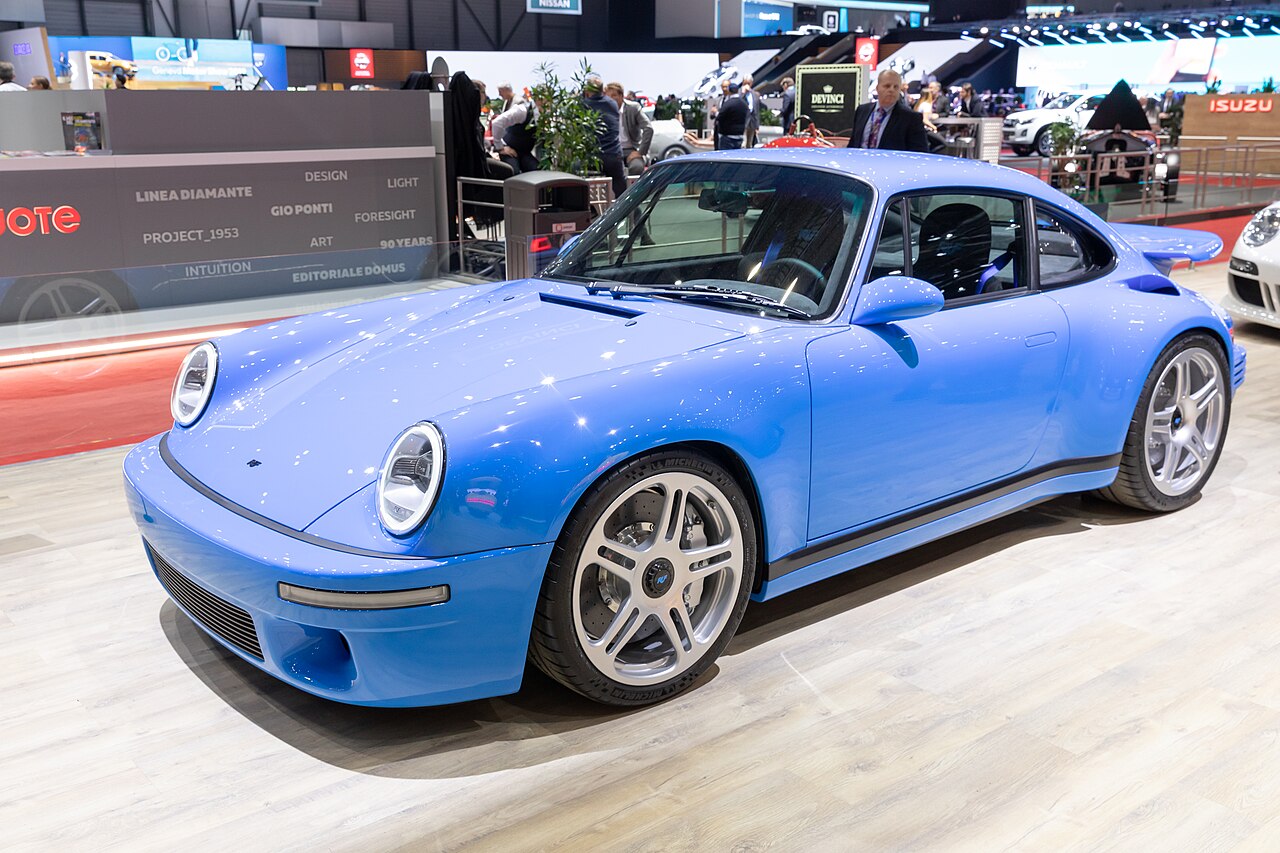
The CTR Anniversary looks like a 911 but Ruf built its carbon monocoque from scratch, no Porsche body underneath.
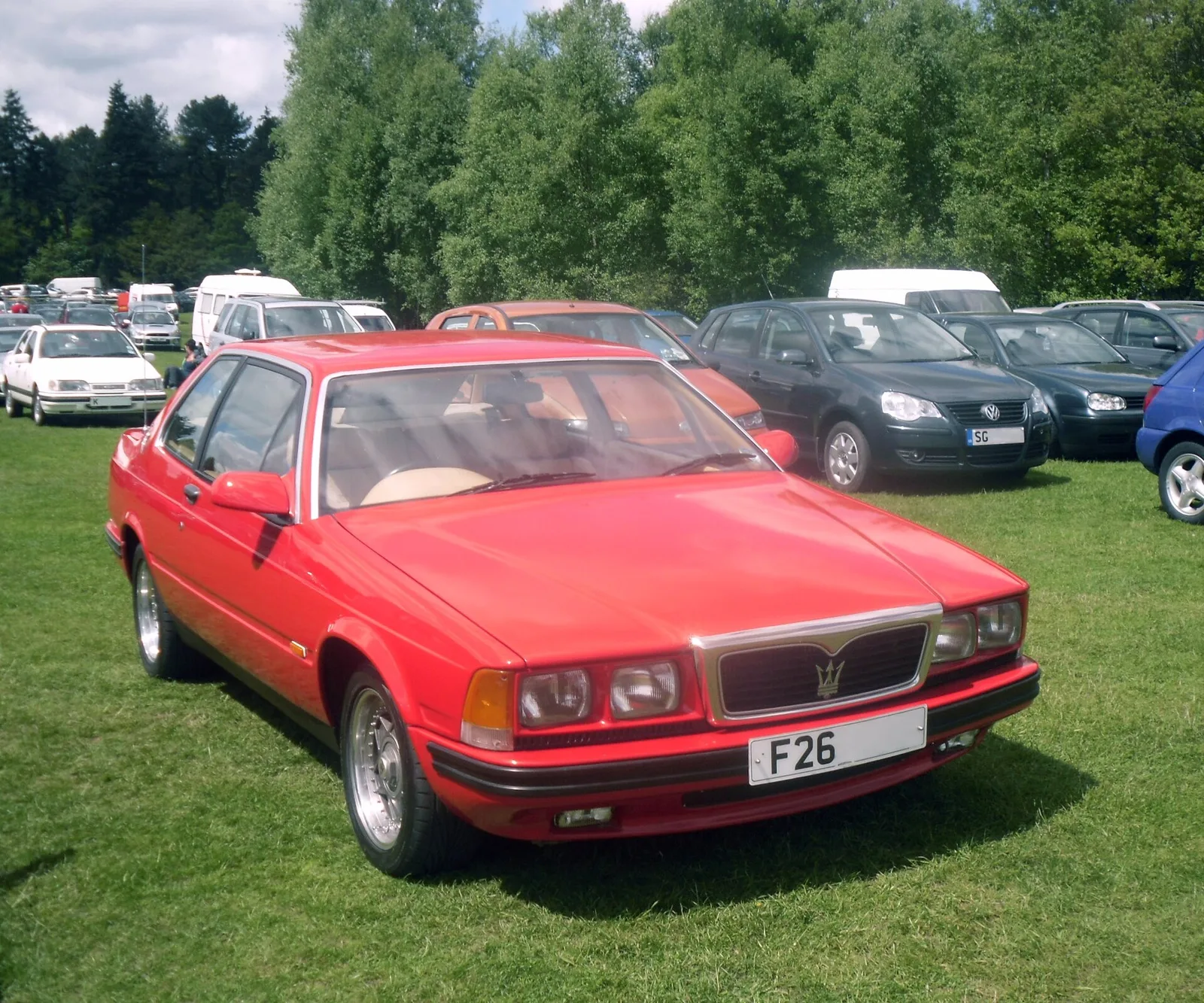
The 228's coupe styling hides a sedan underneath: Maserati stretched it onto the longer four-door Biturbo chassis to make room for its biggest V6, which is literally where the name comes from — 2-door, 2.8 litre.
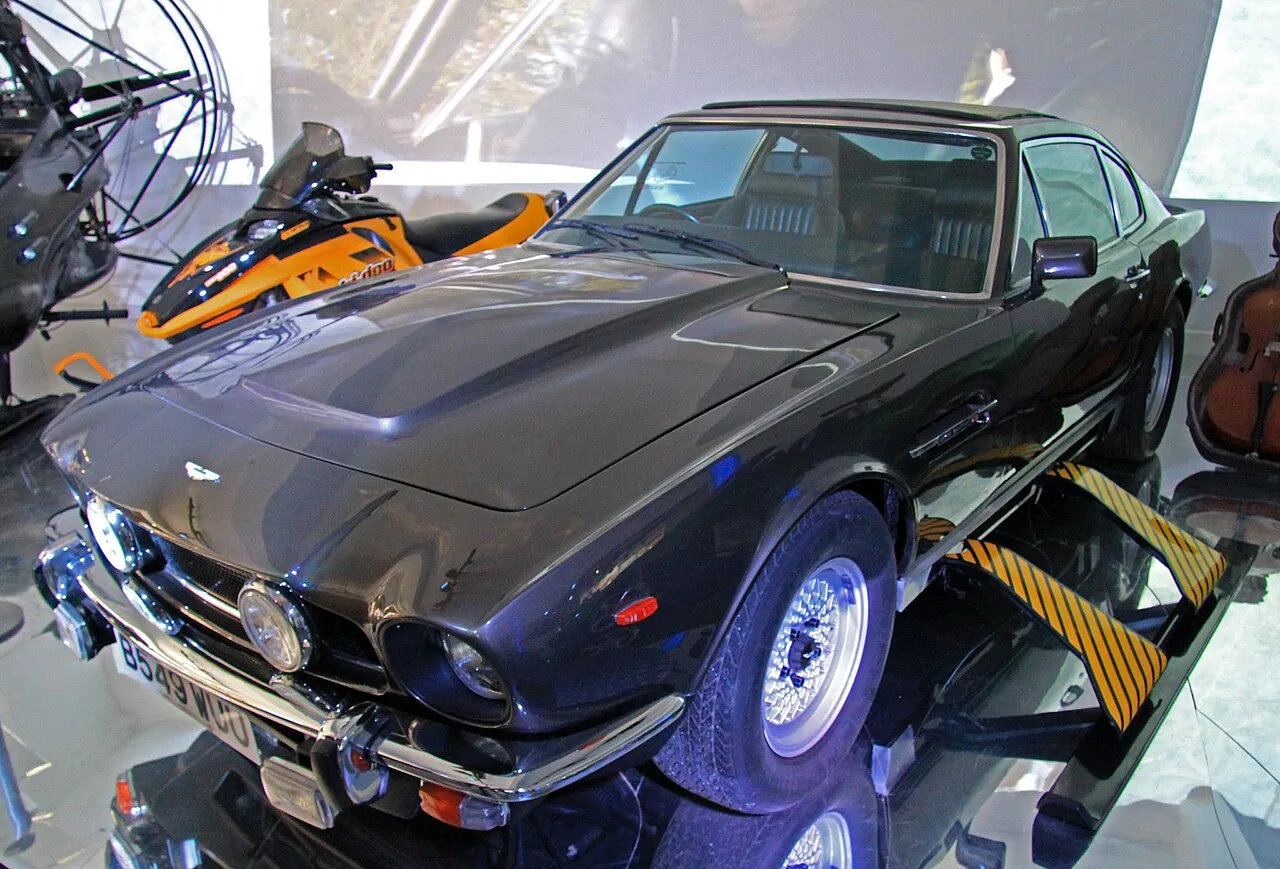
Switching to fuel injection let this V8 finally shed its trademark bonnet bulge — and only 405 of these flat-hooded Series 5 cars were built before the whole model retired in 1989.
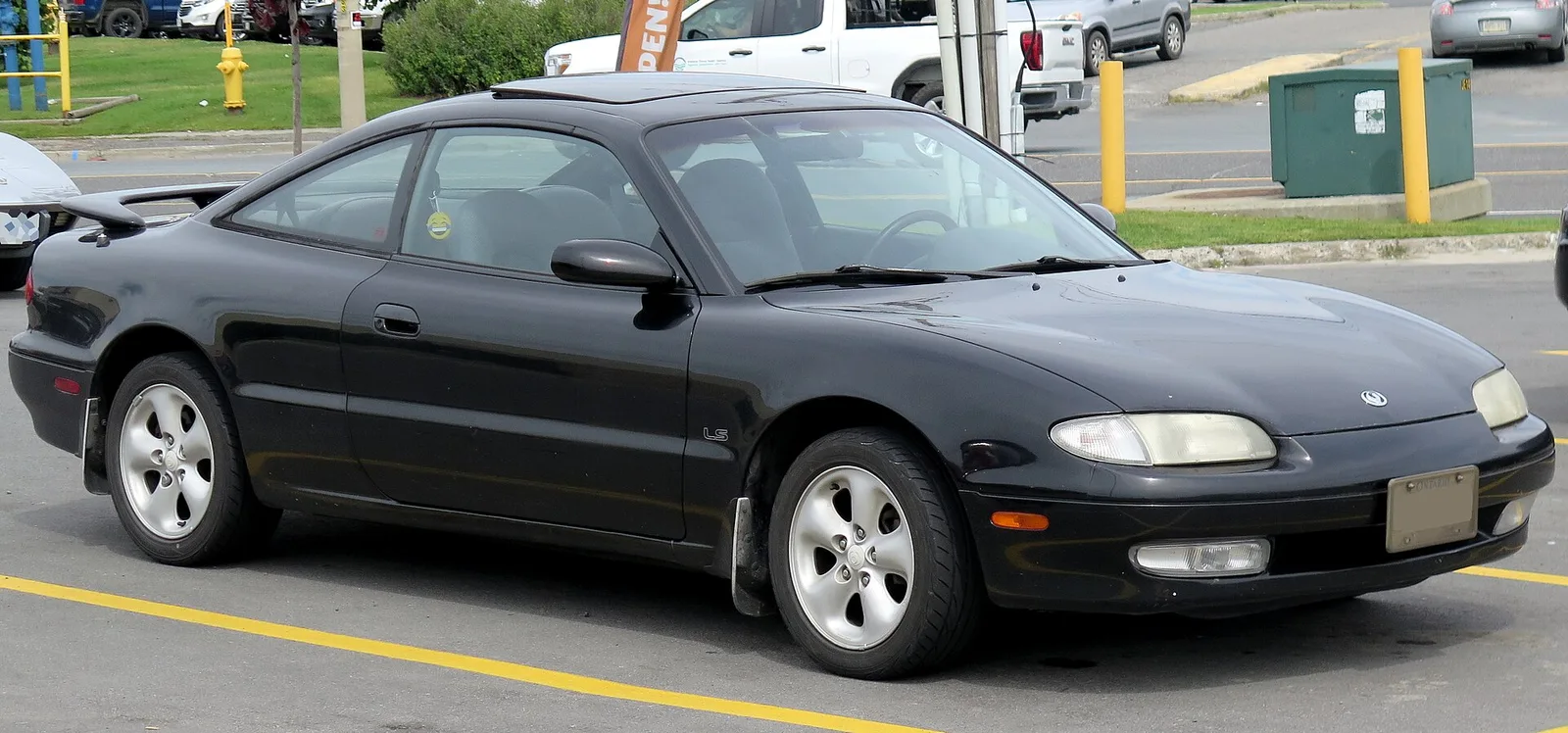
Japanese buyers got a secret weapon in their MX-6 — the JDM-only KL-ZE V6 made about 40 more horsepower than the engine sold in the exact same car in North America.
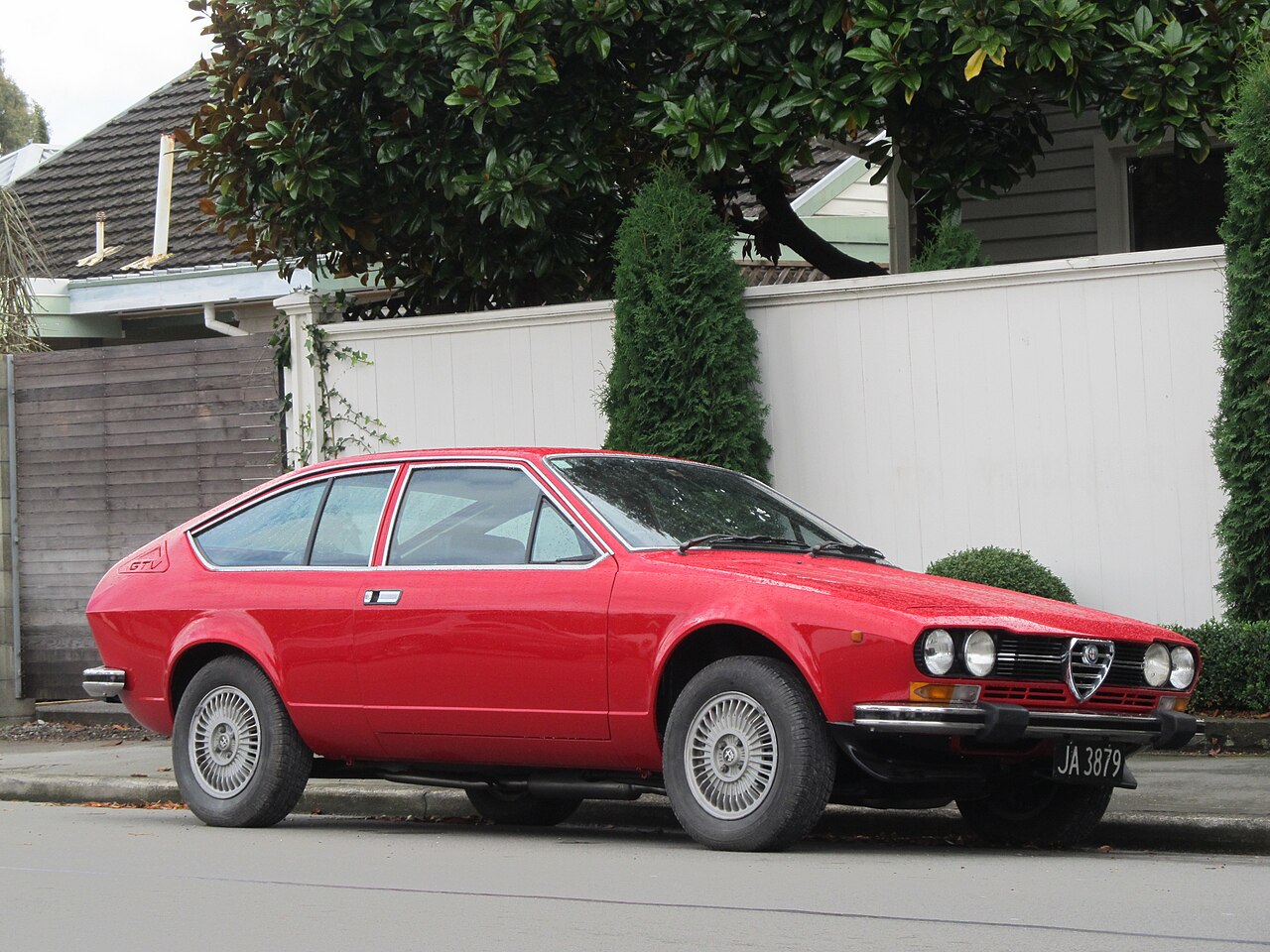
An American tuner, Callaway Cars, built twin-turbo conversions of the GTV6 that boosted its V6 by fifty percent to 230 hp — turning Alfa's grand tourer into something far quicker than the factory ever intended.
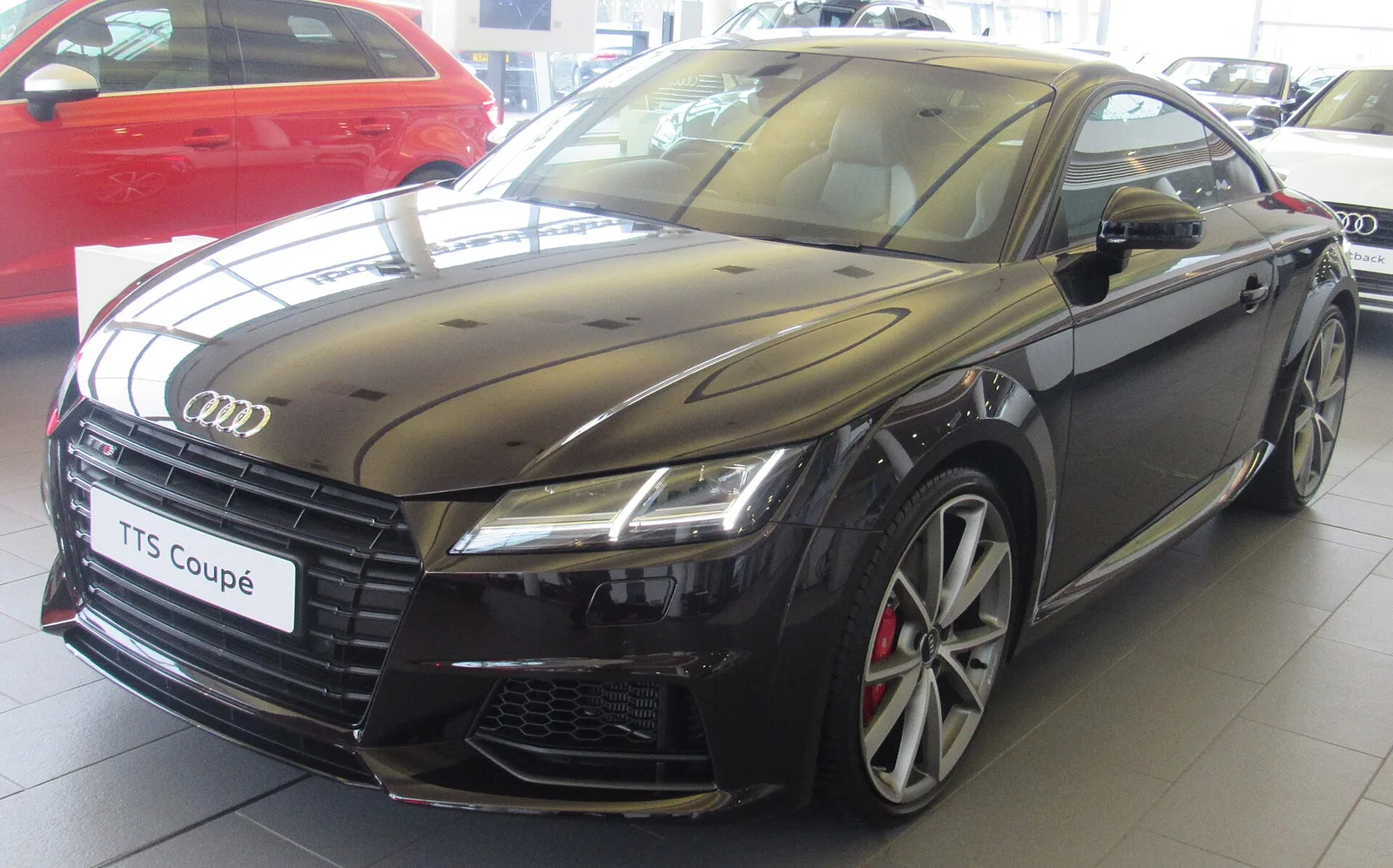
Audi TTS Coupe · TTS Coupe (2016–2023) · 2016–2023.
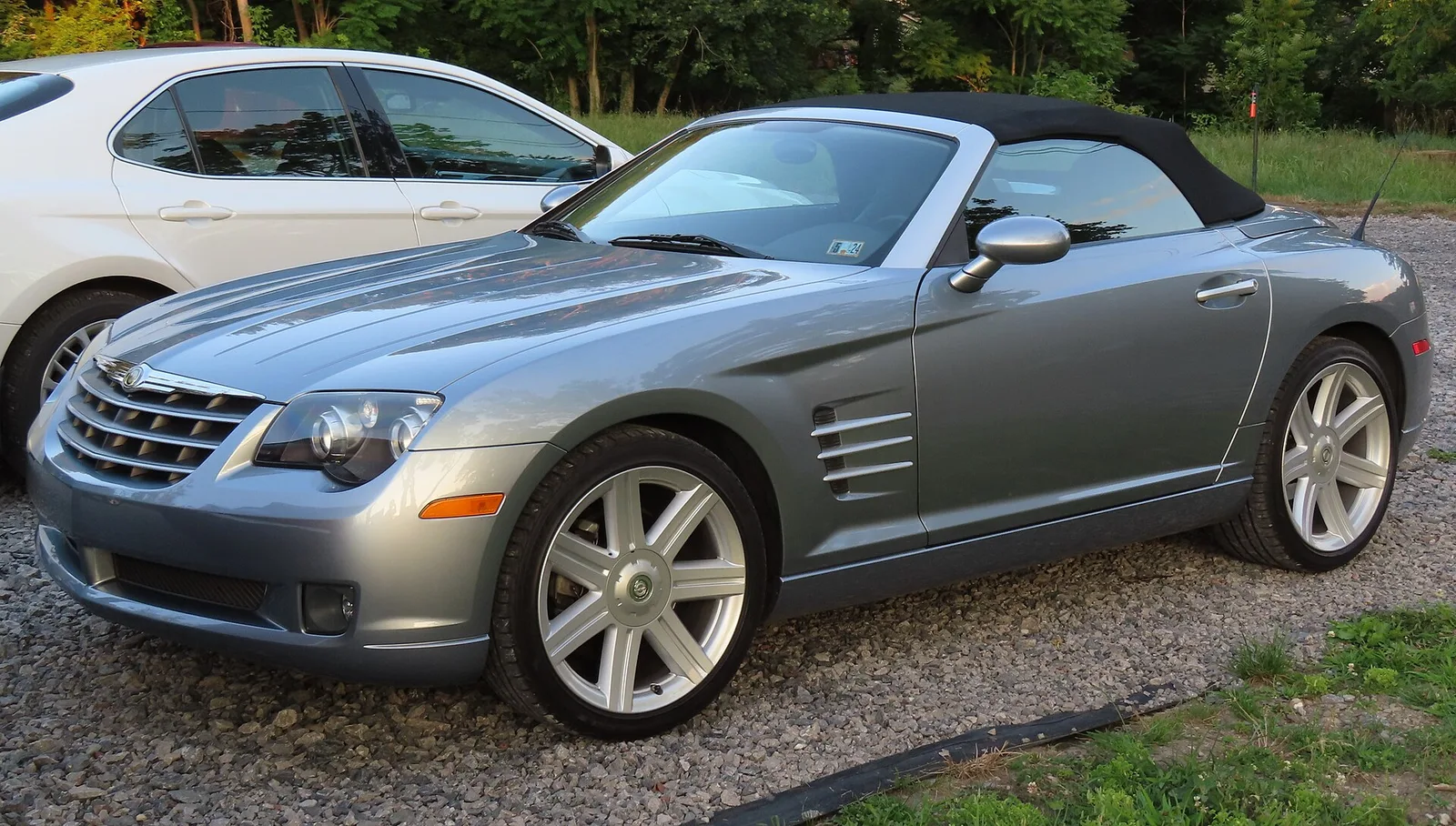
A product of the DaimlerChrysler merger, the Crossfire shares 80% of its parts with the Mercedes-Benz SLK — German bones under American badges.