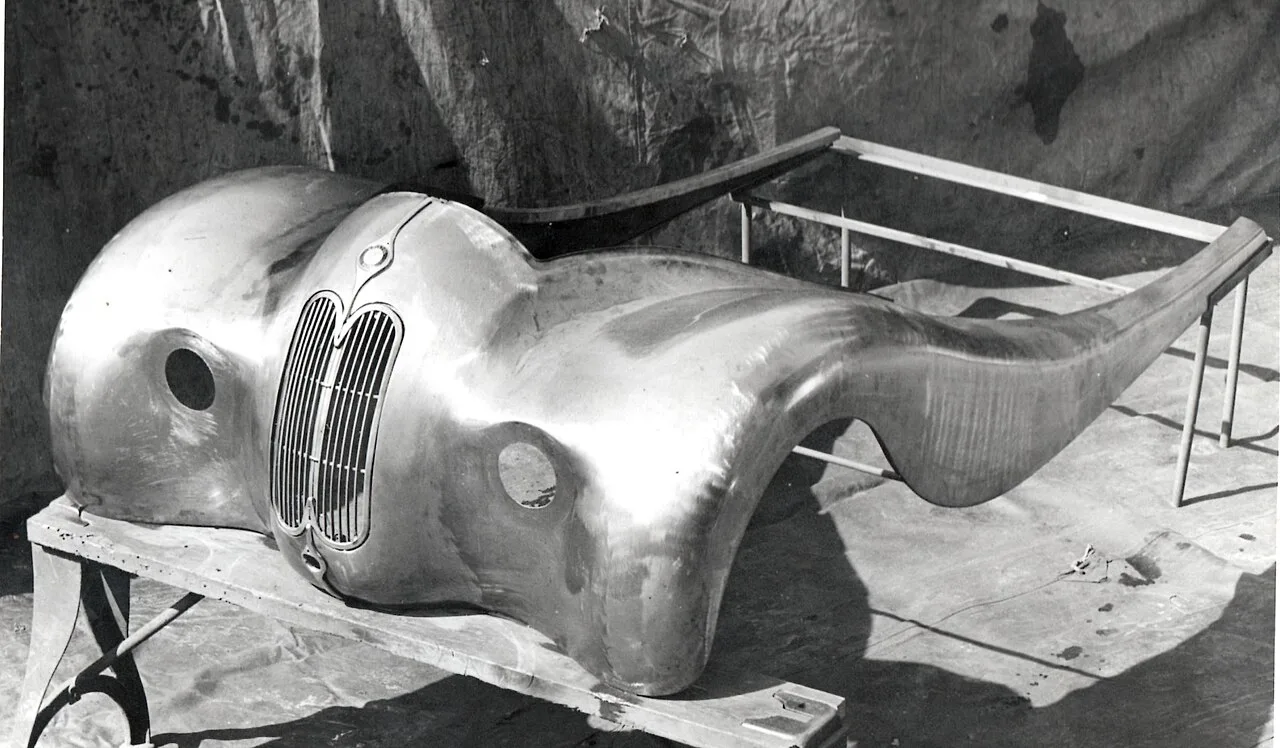
Bristol's first car came from inspecting a Soviet-run BMW plant and taking the 327 home as war reparations.
Lead trim: 400 1,971 cc OHV six (80 hp)
Bristol 400400 · 1947–1950
- 0spots by members
- Unclaimednobody has spotted one yet
- 0sets it belongs to
Nobody in Burbles has spotted a Bristol 400 yet. See one on the street, point the app at it, and the first card is yours — with your @handle permanently credited on this page.
FactBristol's first car came from inspecting a Soviet-run BMW plant and taking the 327 home as war reparations.
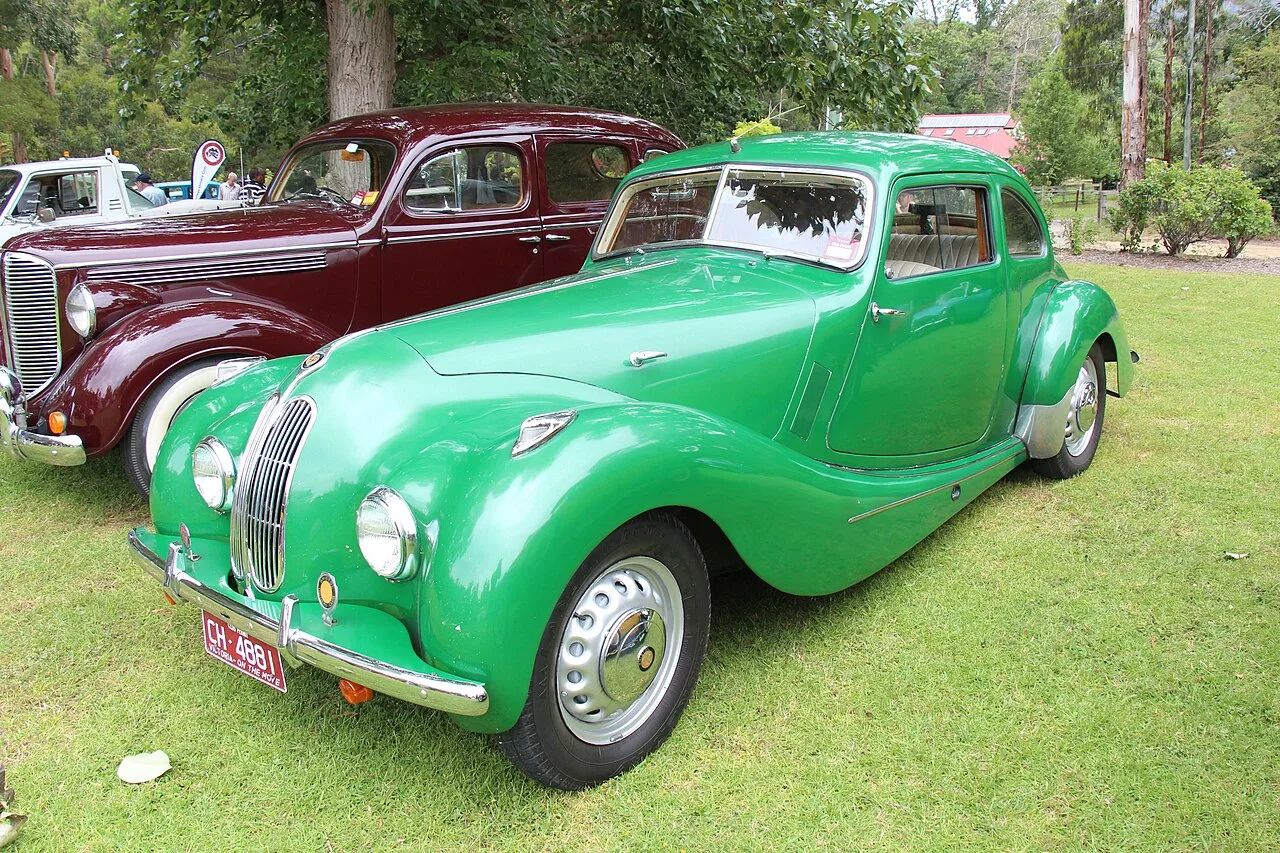
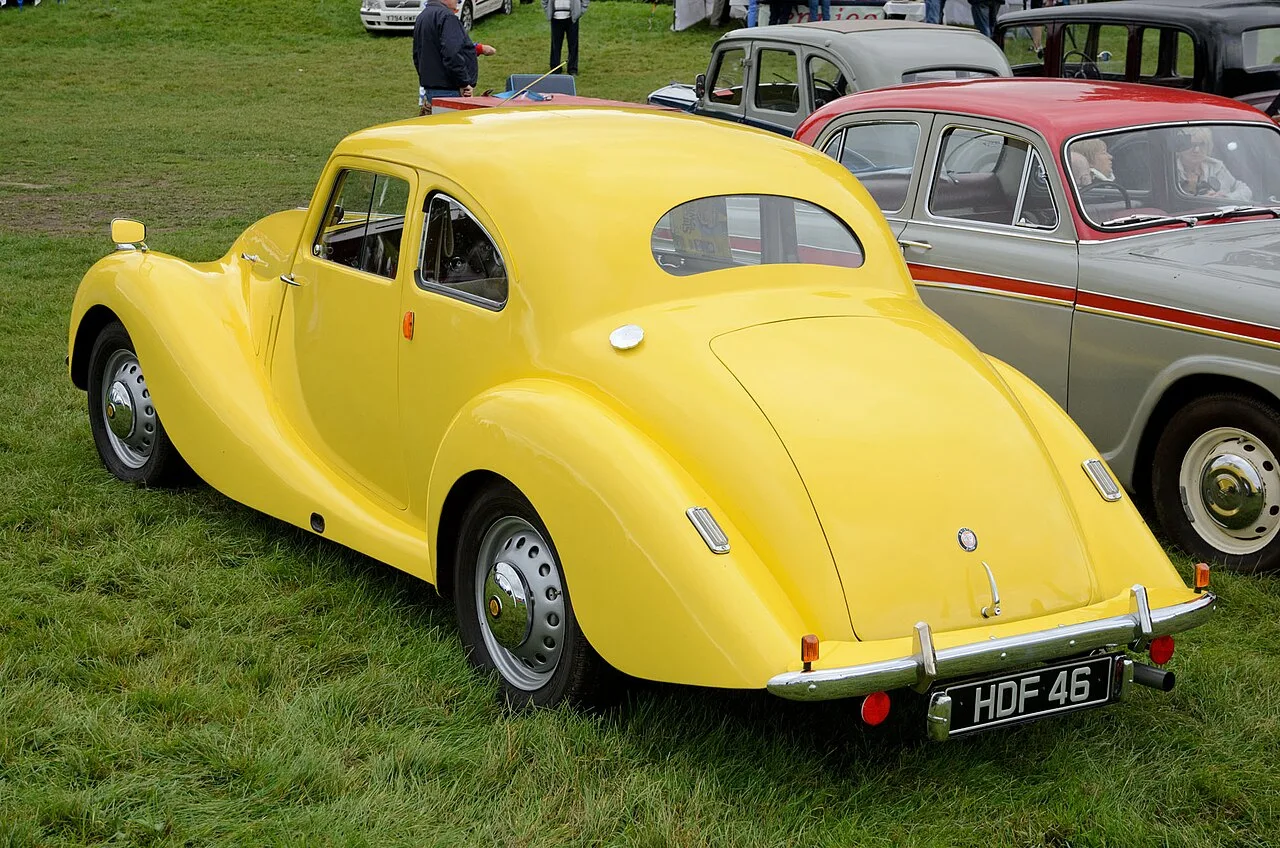
The Bristol 400 is a luxury car made by the Bristol Cars division of the Bristol Aeroplane Company from 1947 to 1950 (487 made), the first car the company made; Bristol Aircraft had formed a car division in 1945 after inspecting the Soviet-controlled BMW factory at Eisenach and returning with plans for the BMW 327 and the BMW six-cylinder engine as war reparations, then employing BMW engineer Fritz Fiedler to lead its engine development, and in 1946 acquiring a majority shareholding in Frazer Nash. It is a lengthened version of the BMW 327 with BMW's double-kidney grille, based on the engine of the 328 and the chassis of the 326, with a mainly steel body with aluminium bonnet, door and boot skins (the only Bristol with a steel-and-aluminium skin). The slightly modified BMW six-cylinder pushrod engine of 1,971 cc (66 mm bore, 96 mm stroke), advanced for its time with hemispherical combustion chambers and very short ports, develops 80 horsepower at 4,500 rpm for a top speed of about 148 km/h (92 mph), with rods, followers and bell-cranks driving the valves on the far side; the four-speed gearbox has synchromesh on the upper three ratios and a freewheel in first. Suspension is a transverse leaf spring at the front and a live axle with longitudinal torsion bars at the rear, on a lengthy 2,895 mm (114.0 in) wheelbase. Battista Pininfarina designed an alternative body for the 400.
Collectors Spotted in the Bristol 400 Lineage
No member has published a public street spot of the Bristol 400 yet — the First · Worldwide stamp is wide open.
Trims & Figures
One published trim in the catalogue. A blank is a figure not recorded, not zero.
| Trim | Years | Engine | Power | Torque | 0–60 | Drive | Gearbox | MSRP |
|---|---|---|---|---|---|---|---|---|
| 400 1,971 cc OHV six (80 hp) | 1947–1950 | 2.0 L Inline-6 | 80 hp | — | — | RWD | — | — |
Owning one
We don’t estimate running costs for a car like this. What it costs depends on its condition, its specialist and how it is driven, and an average would mislead.
Owners’ builds
Nobody has claimed one yet.
Photographs
Rivals
Same body, same money, other badges — tap any card to flip.
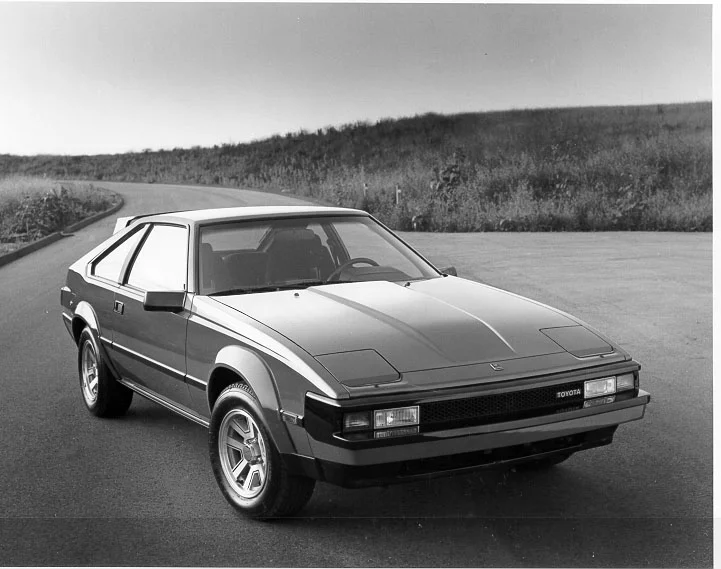
The Celica XX, Japan's name for the A60 Supra, introduced the world's first in-car navigation computer.
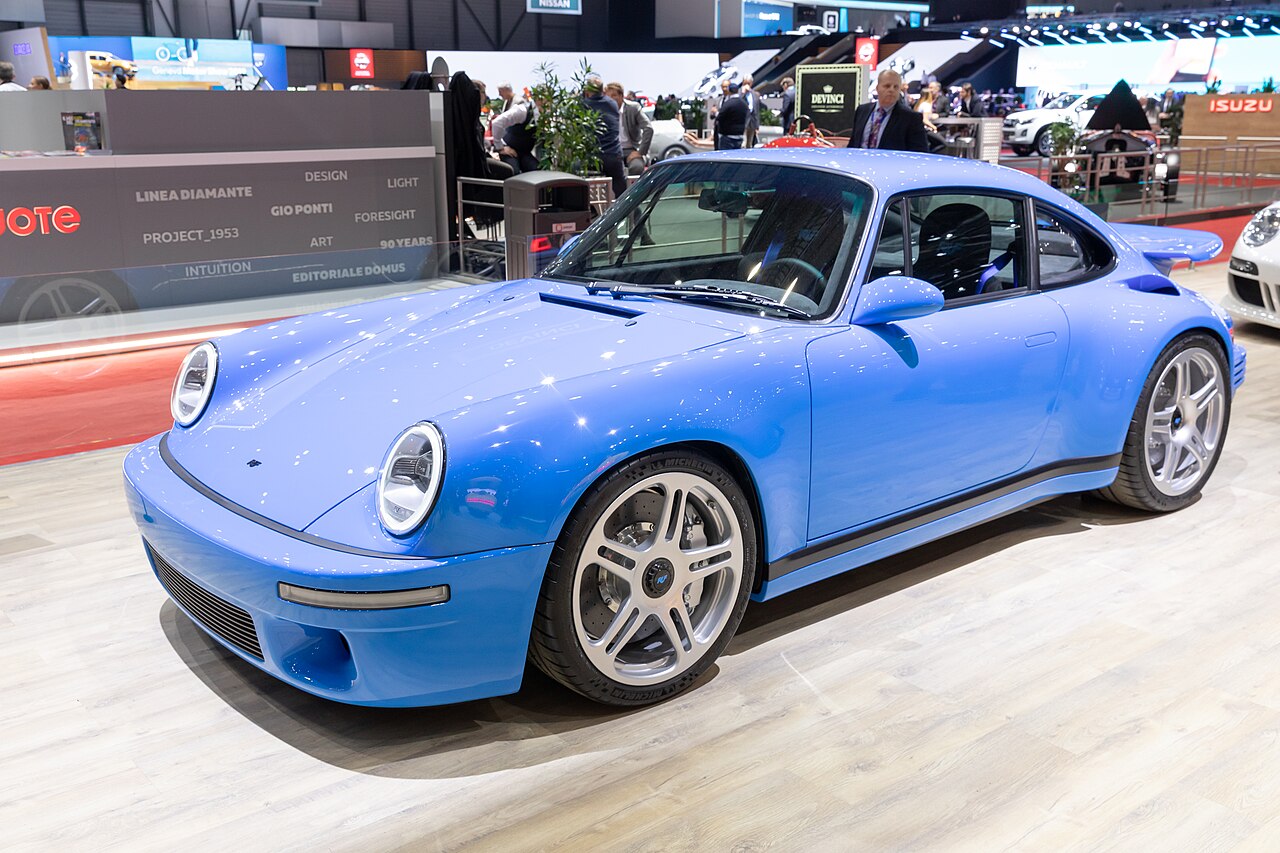
The CTR Anniversary looks like a 911 but Ruf built its carbon monocoque from scratch, no Porsche body underneath.
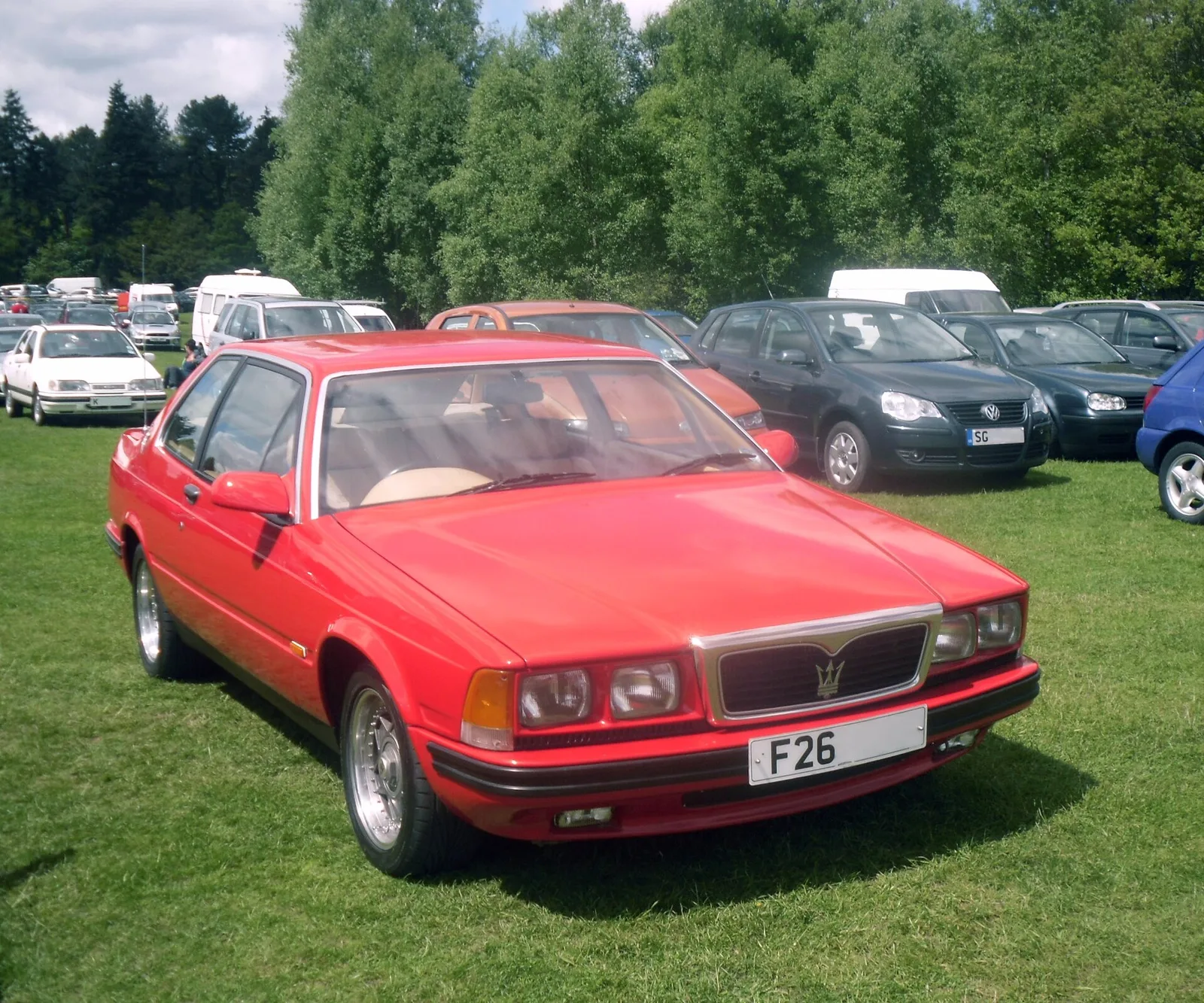
The 228's coupe styling hides a sedan underneath: Maserati stretched it onto the longer four-door Biturbo chassis to make room for its biggest V6, which is literally where the name comes from — 2-door, 2.8 litre.
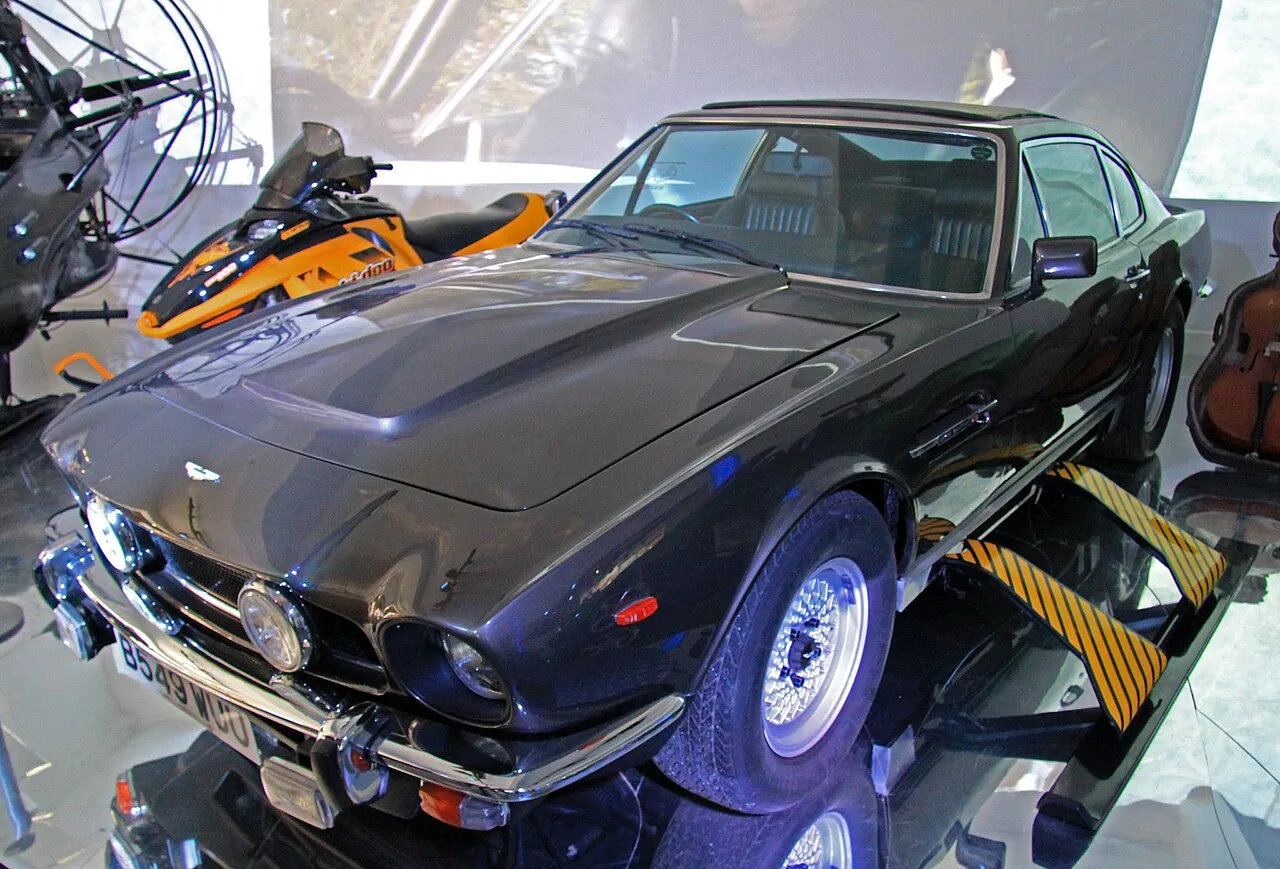
Switching to fuel injection let this V8 finally shed its trademark bonnet bulge — and only 405 of these flat-hooded Series 5 cars were built before the whole model retired in 1989.
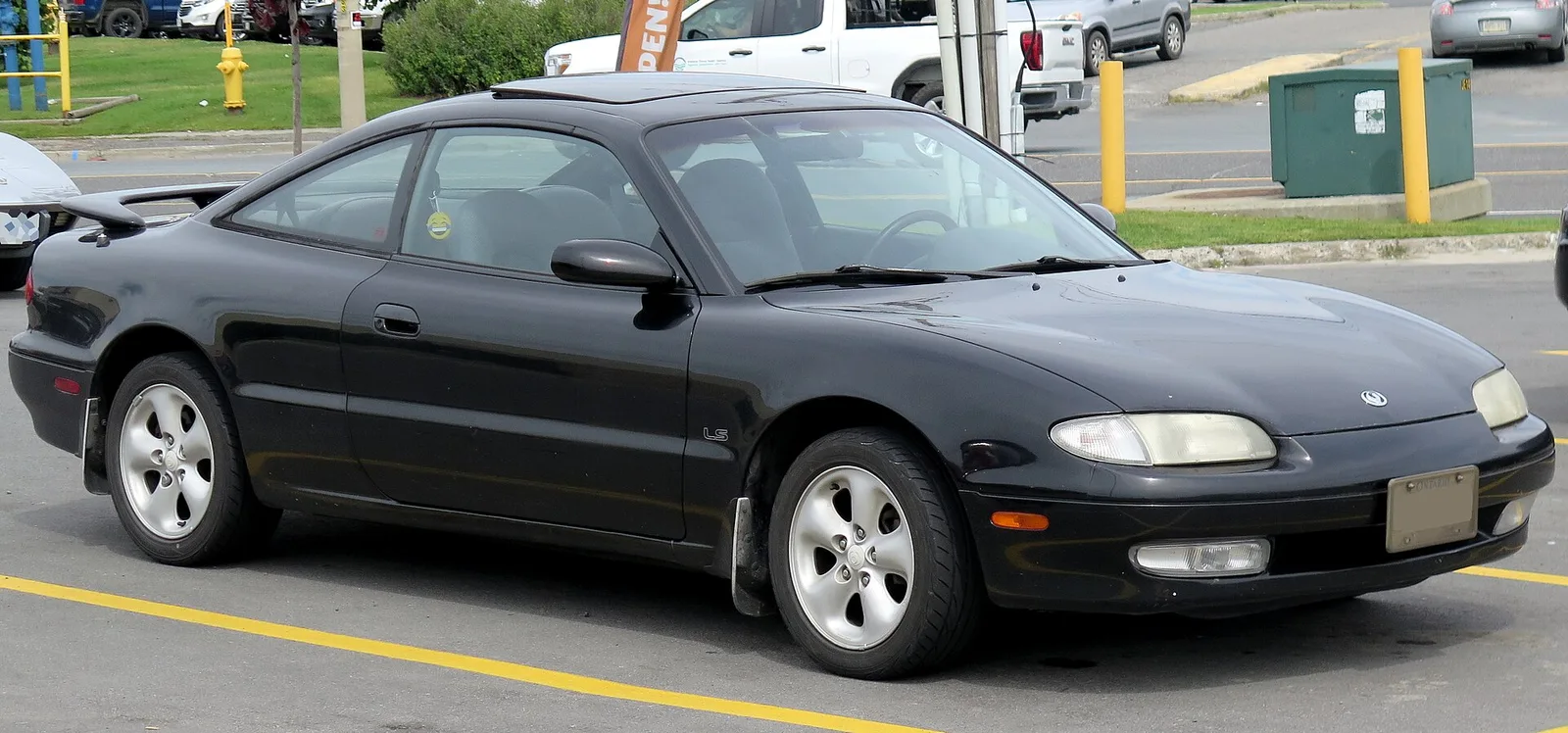
Japanese buyers got a secret weapon in their MX-6 — the JDM-only KL-ZE V6 made about 40 more horsepower than the engine sold in the exact same car in North America.
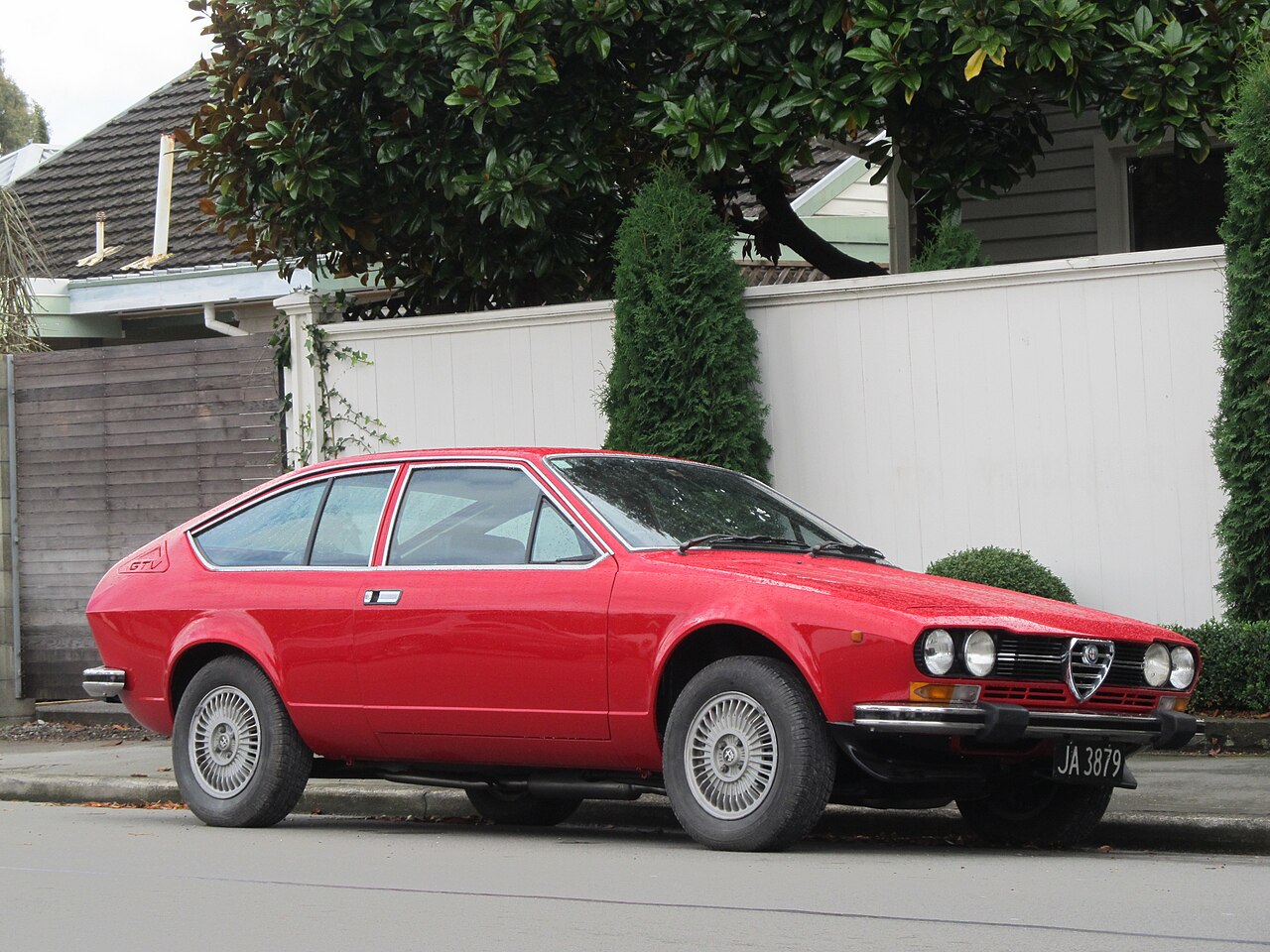
An American tuner, Callaway Cars, built twin-turbo conversions of the GTV6 that boosted its V6 by fifty percent to 230 hp — turning Alfa's grand tourer into something far quicker than the factory ever intended.
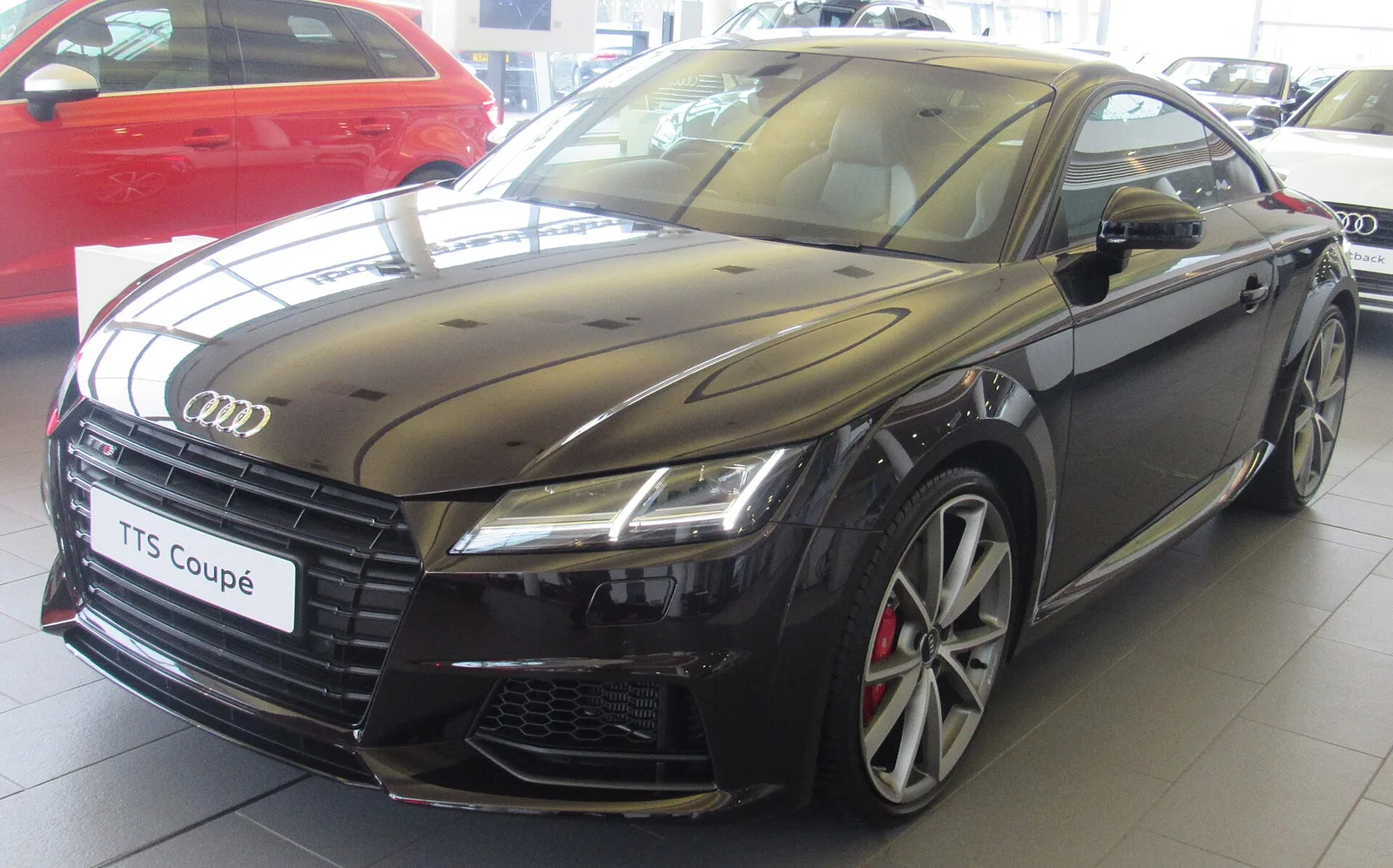
Audi TTS Coupe · TTS Coupe (2016–2023) · 2016–2023.
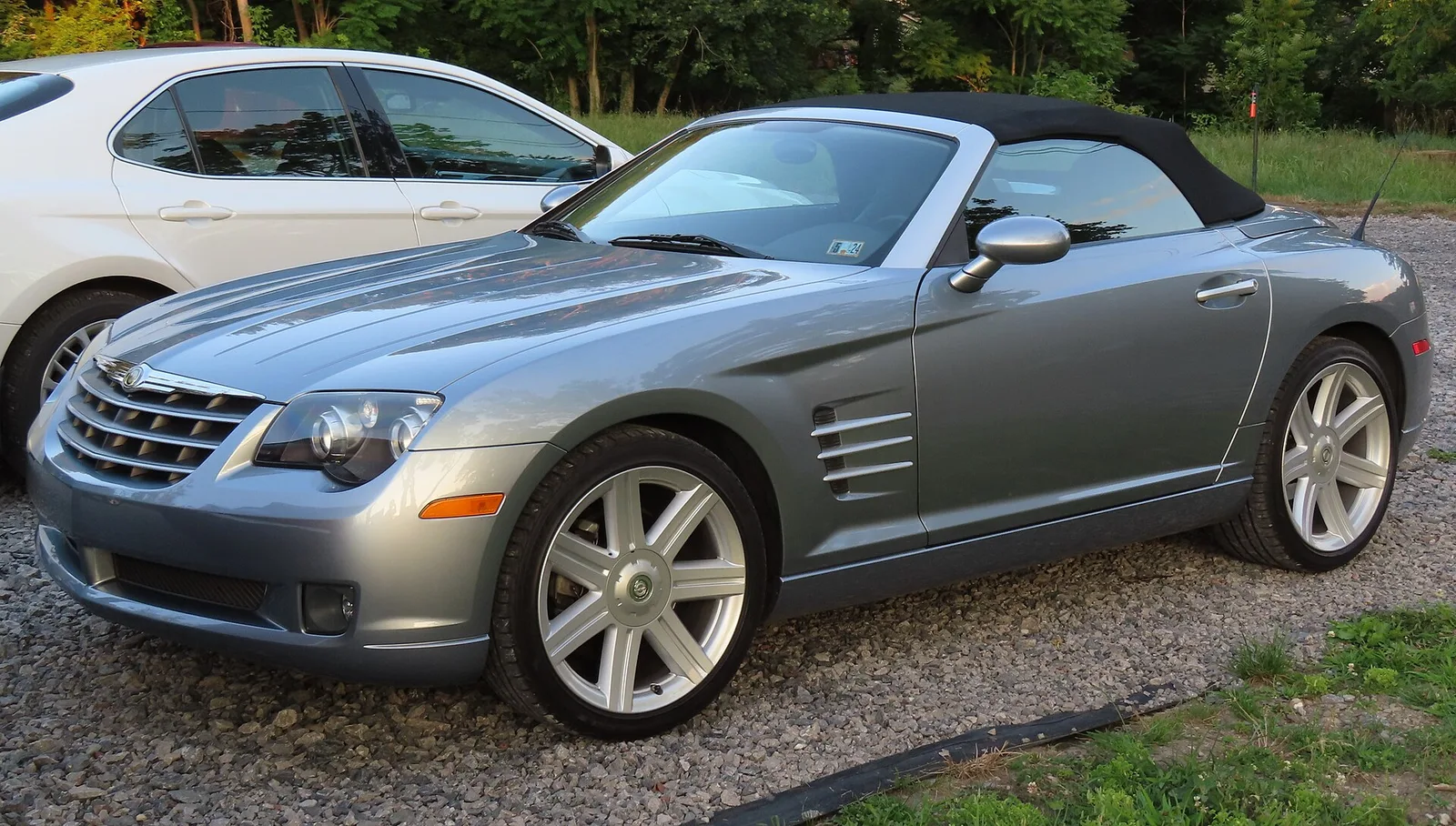
A product of the DaimlerChrysler merger, the Crossfire shares 80% of its parts with the Mercedes-Benz SLK — German bones under American badges.