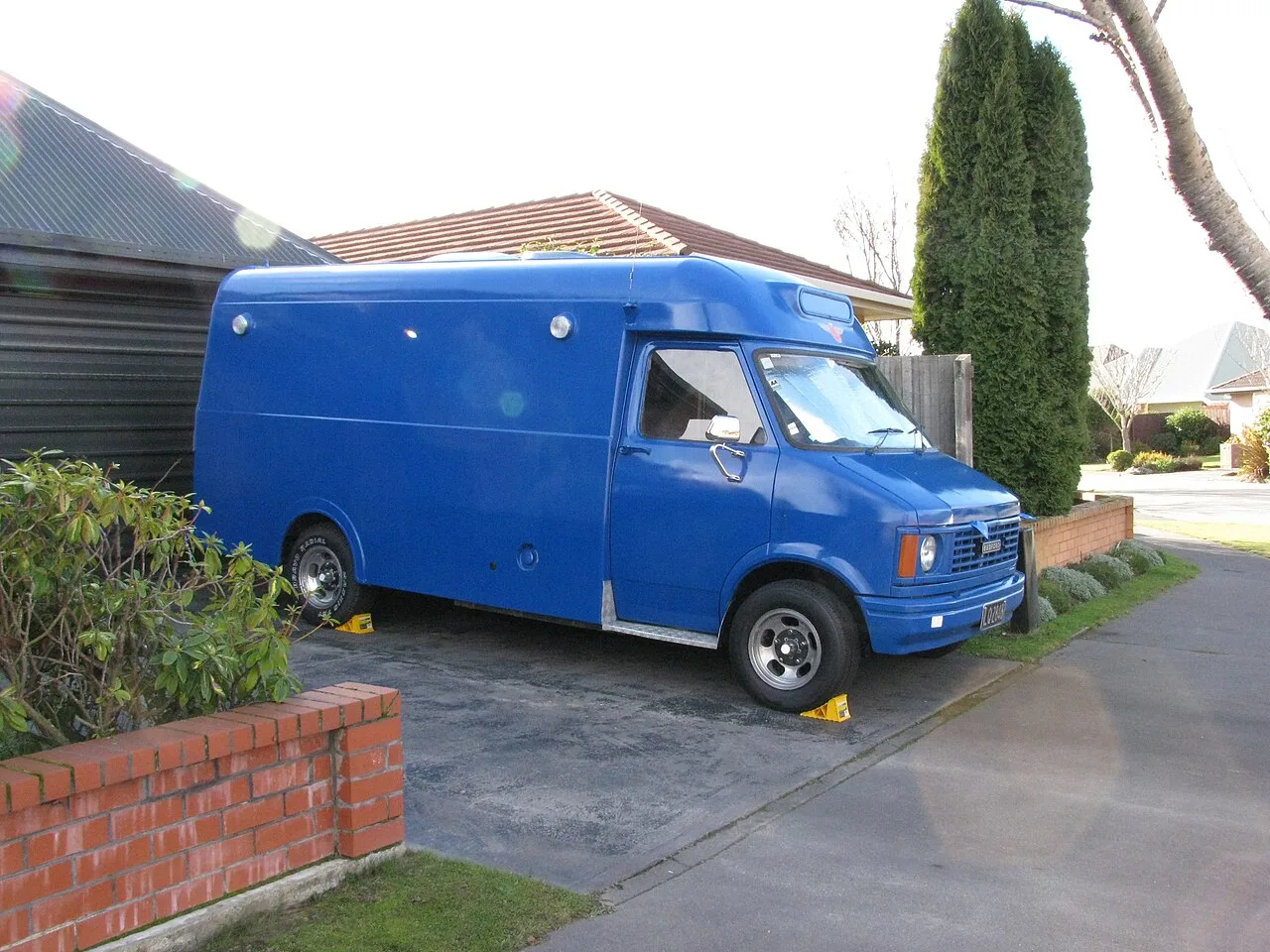
The CF2 was Bedford’s last word — when the final vans sold in 1987, it closed out the company’s run of vehicles designed entirely in-house.
Lead trim: CF2 Opel CIH 2.0 L four (1,979 cc, 78 hp) · up to 78 hp
Bedford CF2CF2 · 1984–1986
- 0spots by members
- Unclaimednobody has spotted one yet
- 0sets it belongs to
Nobody in Burbles has spotted a Bedford CF2 yet. See one on the street, point the app at it, and the first card is yours — with your @handle permanently credited on this page.
FactThe CF2 was Bedford’s last word — when the final vans sold in 1987, it closed out the company’s run of vehicles designed entirely in-house.
In 1984 the CF was renamed the CF2 and received mainly mechanical upgrades: the old Vauxhall Slant Fours were replaced by a 2.0 L (1,979 cc), 78 hp Opel CIH four-cylinder, the diesels remained the 2.3 (with the 2.0 available in continental Europe), and there was a new 4-speed GM all-synchromesh gearbox on short-wheelbase models, a ZF 5-speed overdrive gearbox standard on all long-wheelbase models, optional GM automatic, front disc brakes with self-adjusting rear drums on the CF2/230 to CF2/280 and drums all round on the CF2/350, with a load-sensing valve on all models. In 1985 it was sold alongside the smaller Bedford Midi; the last CF2s were sold in the UK in 1987, ending original Bedford-designed vehicles, and the CF was the last vehicle designed solely by Vauxhall.
Collectors Spotted in the Bedford CF Lineage
No member has published a public street spot of the Bedford CF yet — the First · Worldwide stamp is wide open.
Trims & Figures
2 published trims in the catalogue. A blank is a figure not recorded, not zero.
| Trim | Years | Engine | Power | Torque | 0–60 | Drive | Gearbox | MSRP |
|---|---|---|---|---|---|---|---|---|
| CF2 Opel 2.3 L diesel (2,260 cc, 61 hp) | 1984–1986 | 2.3 L | 61 hp | — | — | RWD | — | — |
| CF2 Opel CIH 2.0 L four (1,979 cc, 78 hp) | 1984–1986 | 2.0 L Inline-4 | 78 hp | — | — | RWD | — | — |
Owning one
An estimate, for the CF2 Opel 2.3 L diesel (2,260 cc, 61 hp) trim: fuel on its EPA figure and a dated national price, upkeep on a per-mile average for the kind of car it is.
Owners’ builds
Nobody has claimed one yet.
Photographs
The CF2 was Bedford’s last word — when the final vans sold in 1987, it closed out the company’s run of vehicles designed entirely in-house.
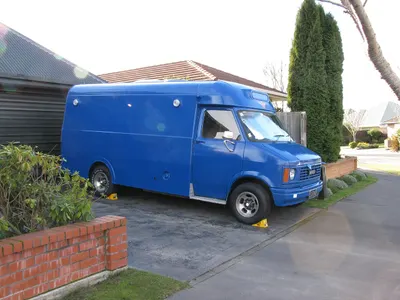
Royal Mail ran 40 of these as an energy-saving trial in the 1980s — a Bedford van line that Lucas and Chloride billed at the time as the world's first mass-produced electric van in its class.
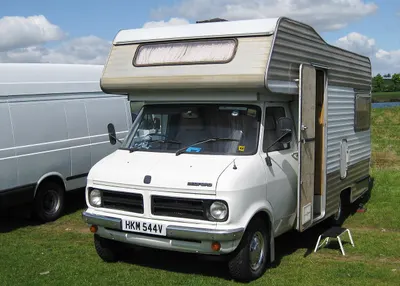
This Bedford's 1980 facelift made engine work dramatically easier — the whole front panel came off with just 8 bolts, letting mechanics pull the engine forward instead of dropping it out from underneath.
Rivals
Same body, same money, other badges — tap any card to flip.
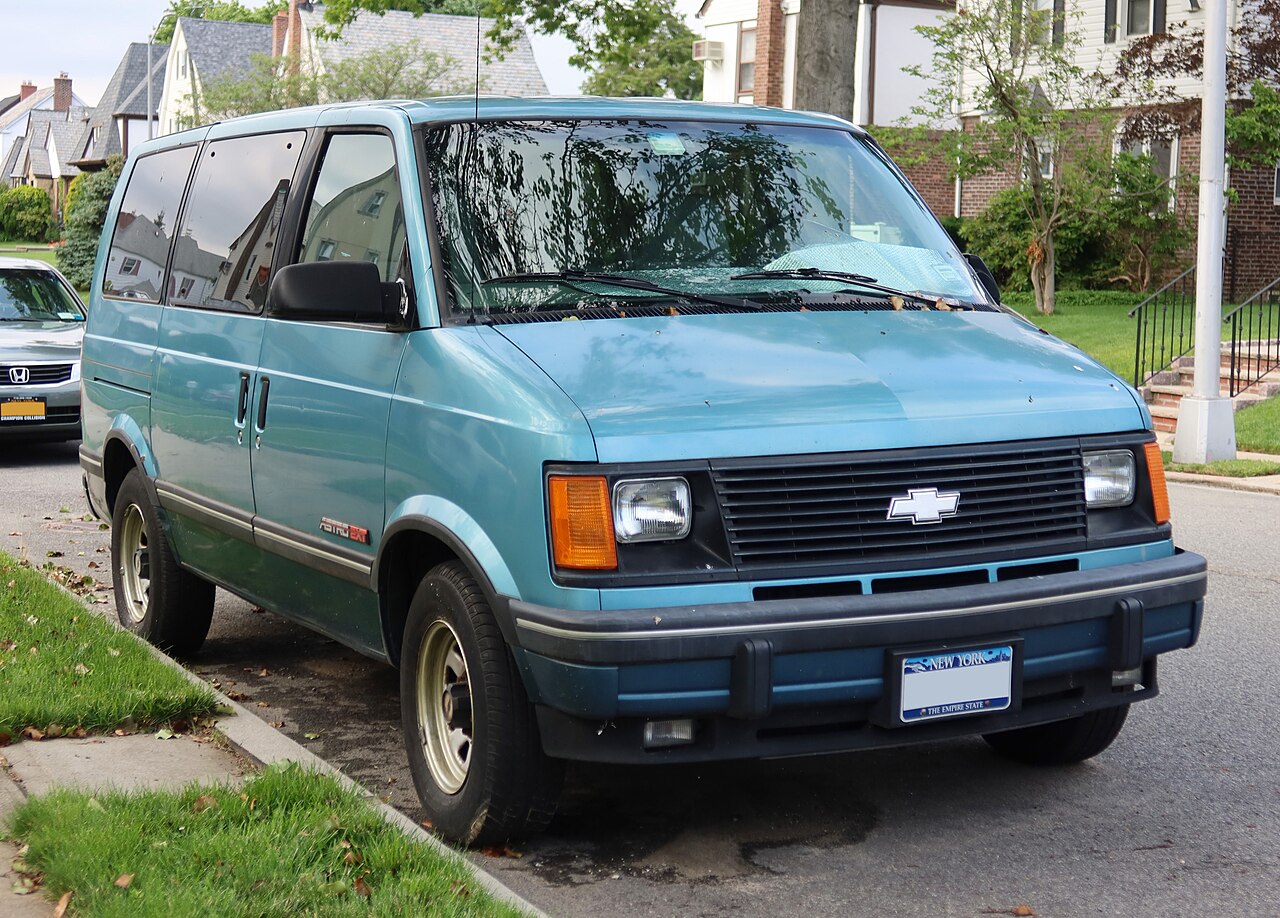
Chevy pitched the Astro as the anti-minivan, telling buyers life was too big for one, while it rode on a rear-wheel-drive truck frame.
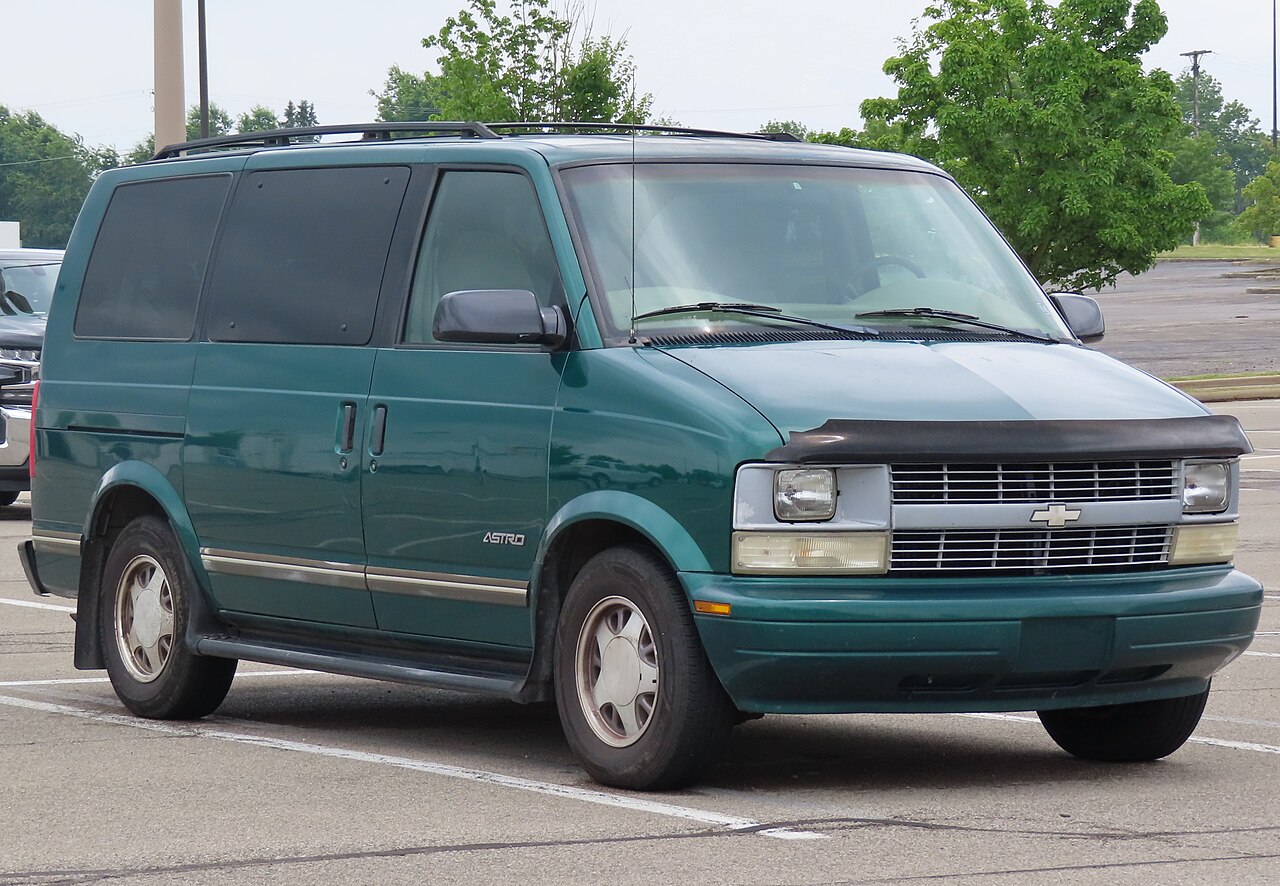
The IIHS rated the Astro Poor in a 1996 crash test, yet 2001–2004 Astros later had the lowest driver death rate of any US passenger vehicle.
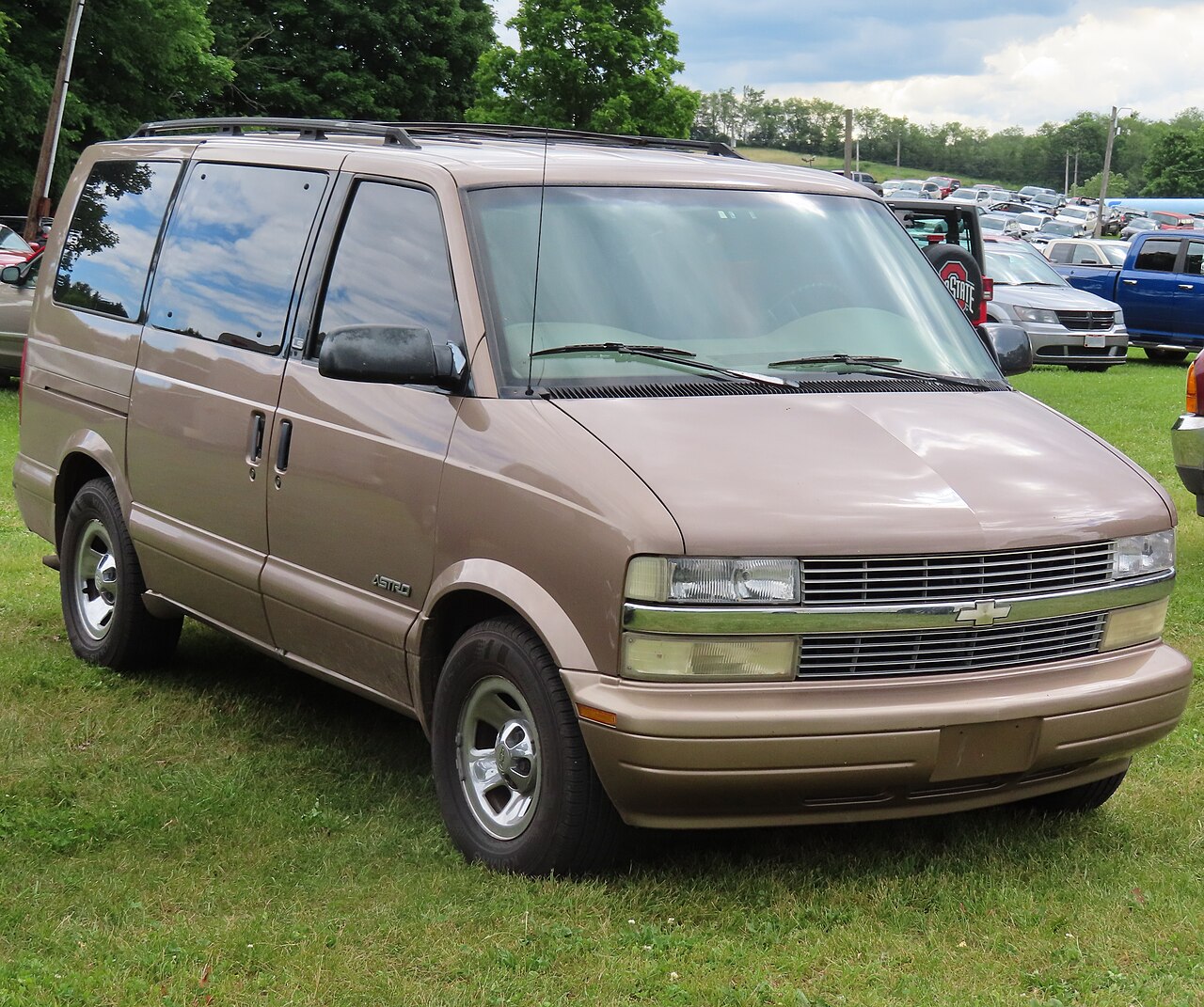
The boxy, unglamorous Astro quietly posted one of the best real-world safety records in America: IIHS found 2001-2004 models had the fewest driver deaths per million vehicles of any passenger vehicle on US roads.
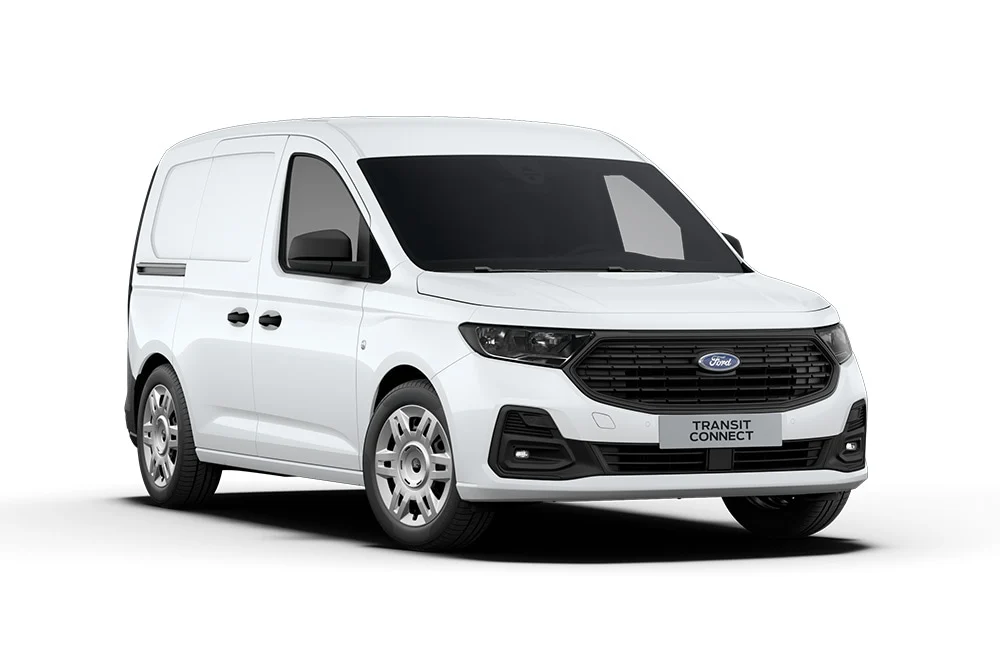
The third-generation Tourneo Connect, released in Europe in October 2021, is a rebadged fourth-generation Volkswagen Caddy, assembled by Volkswagen in Poland.
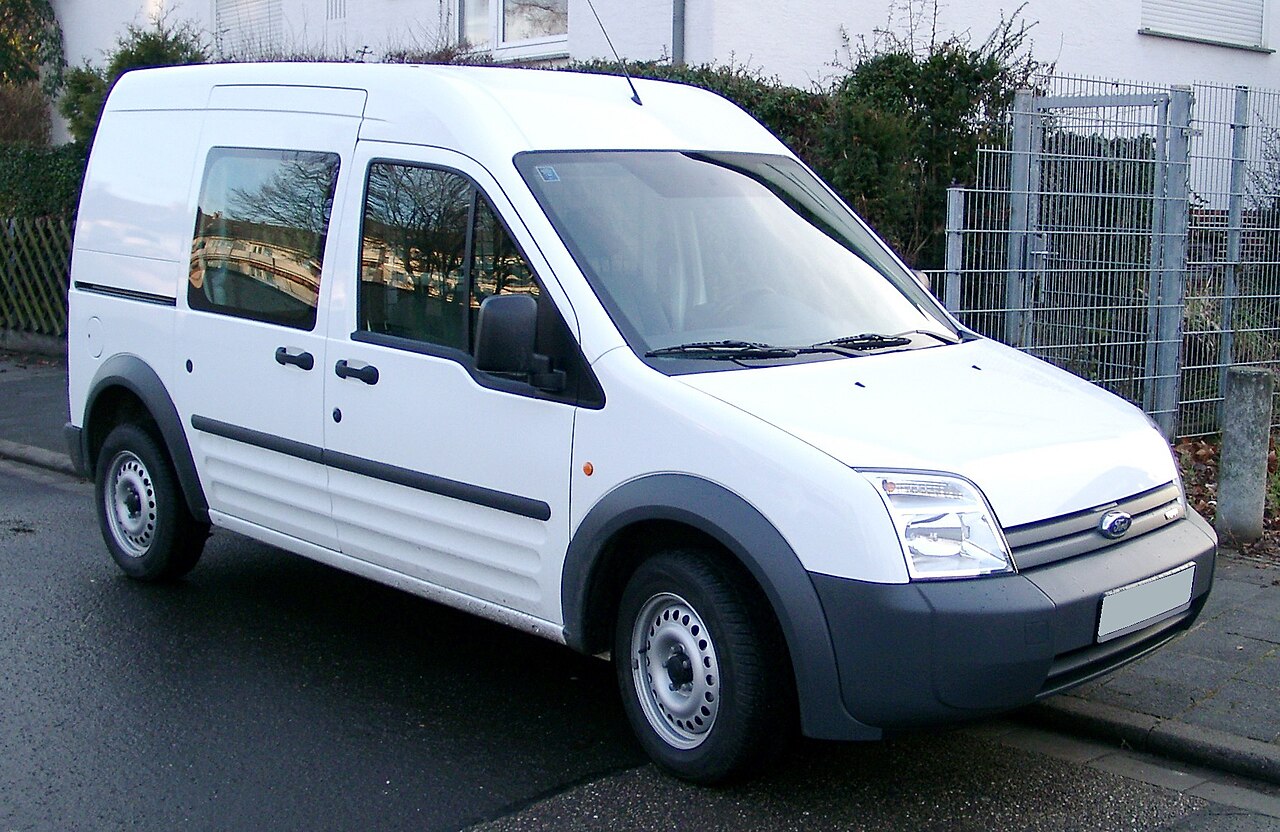
Ford beat the 25% "chicken tax" by importing the Transit Connect as a passenger van — rear windows and seats included, then stripped out and recycled once it landed in the US.
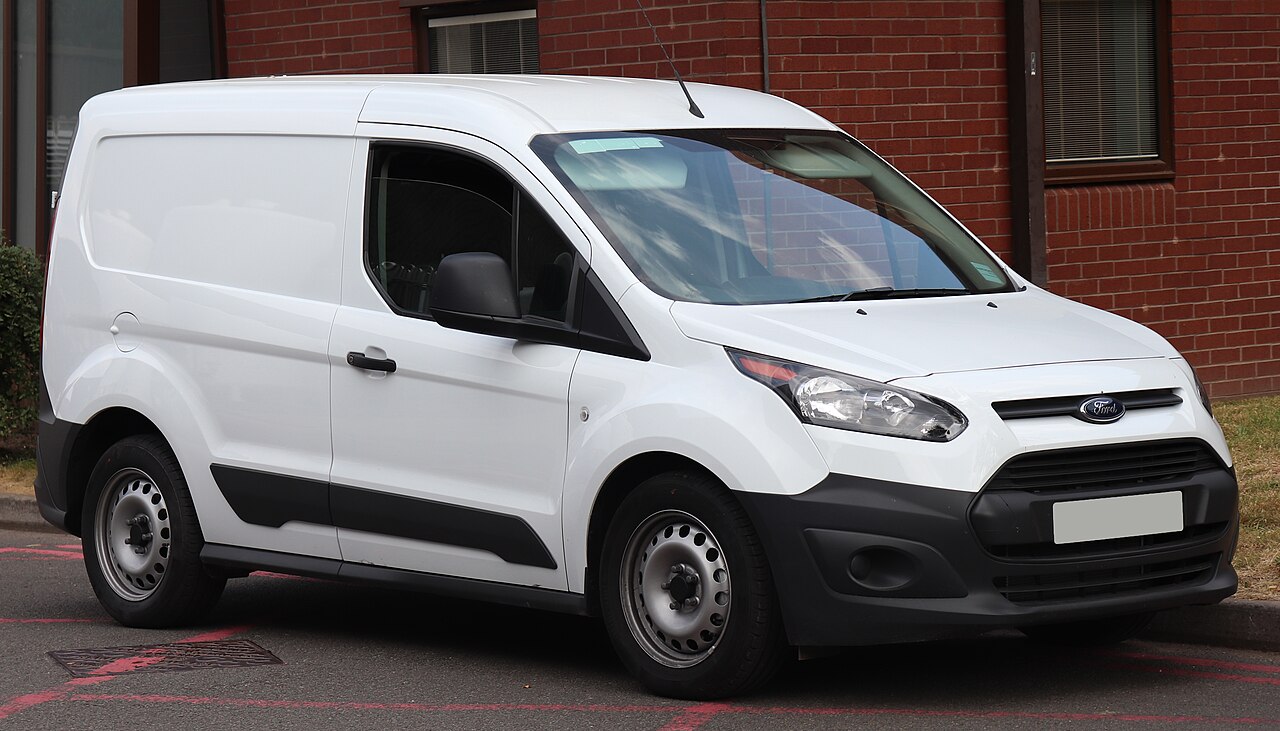
Ford spent years in federal court over the second-gen Transit Connect: in June 2019 the US won its appeal, and judges ruled the van was cargo-only — ending Ford's workaround for the 'chicken tax.'
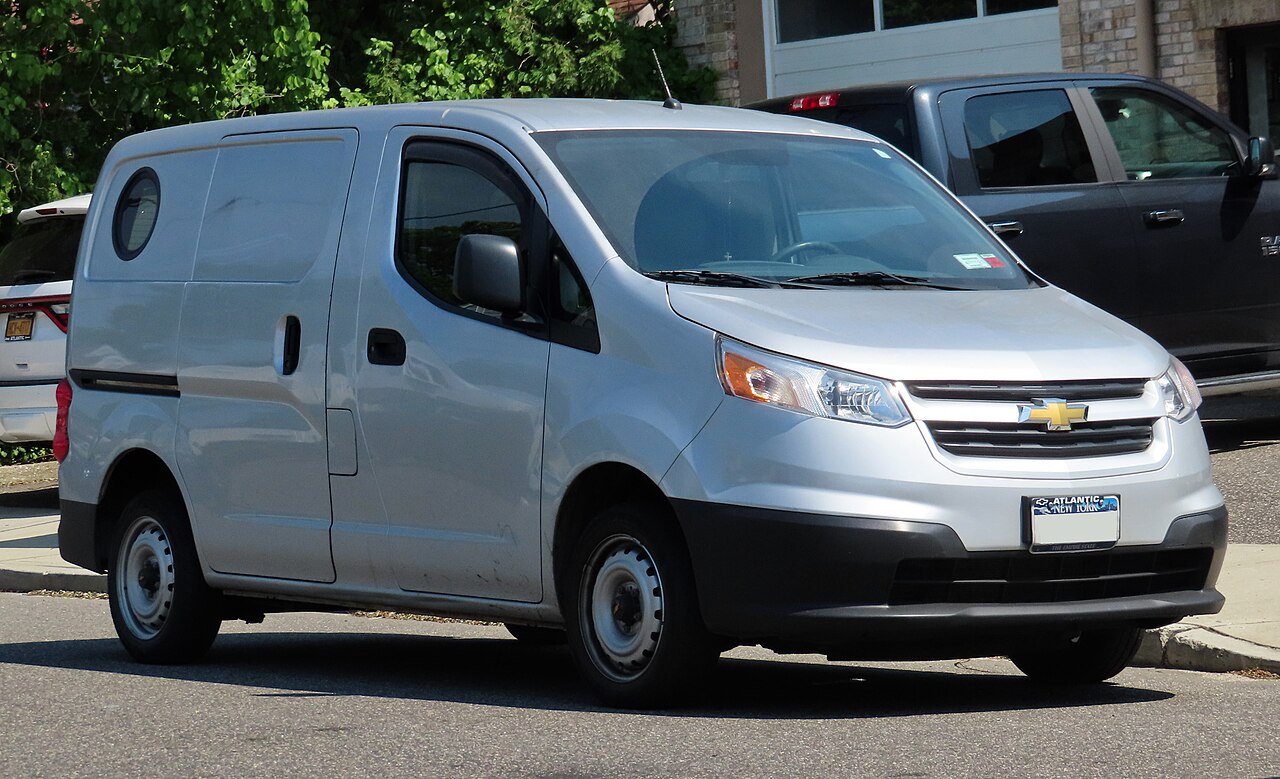
GM sold a rebadged Nissan NV200 as the Chevy City Express for four years, then killed it in 2018, citing weak sales and the fact that its parts weren't even compatible with GM's own parts catalog.

Its name is a pun: "S-Cargo" means "Small Cargo" but sounds just like escargot — French for snail, the shape the whole van was built to resemble.