Jaguar E-Type
Every Jaguar E-Type generation in the Burbles catalogue — complete specs, rarity tiers, interactive 3D cards, and the collectors who have spotted them on the street.
- Lineage Span
- 1961–1971 3 generations · 4 published trims
- Power Evolution
- 246 → 272 hp Base lead-trim output across eras
- Catalogue Rarity
- 1 Legendary 1 Legendary · 2 Epic
All 3 Jaguar E-Type Generations
Each generation deals in its rarity tier’s alloy with its engine disc, lead specs, and first spotter record. Click into any generation for full trims and market figures.
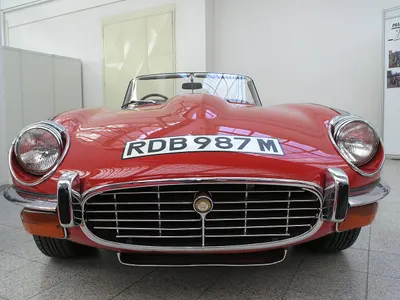
Series 2 and 3 cars got a bigger grille and radiator because the earlier car was notorious for overheating.
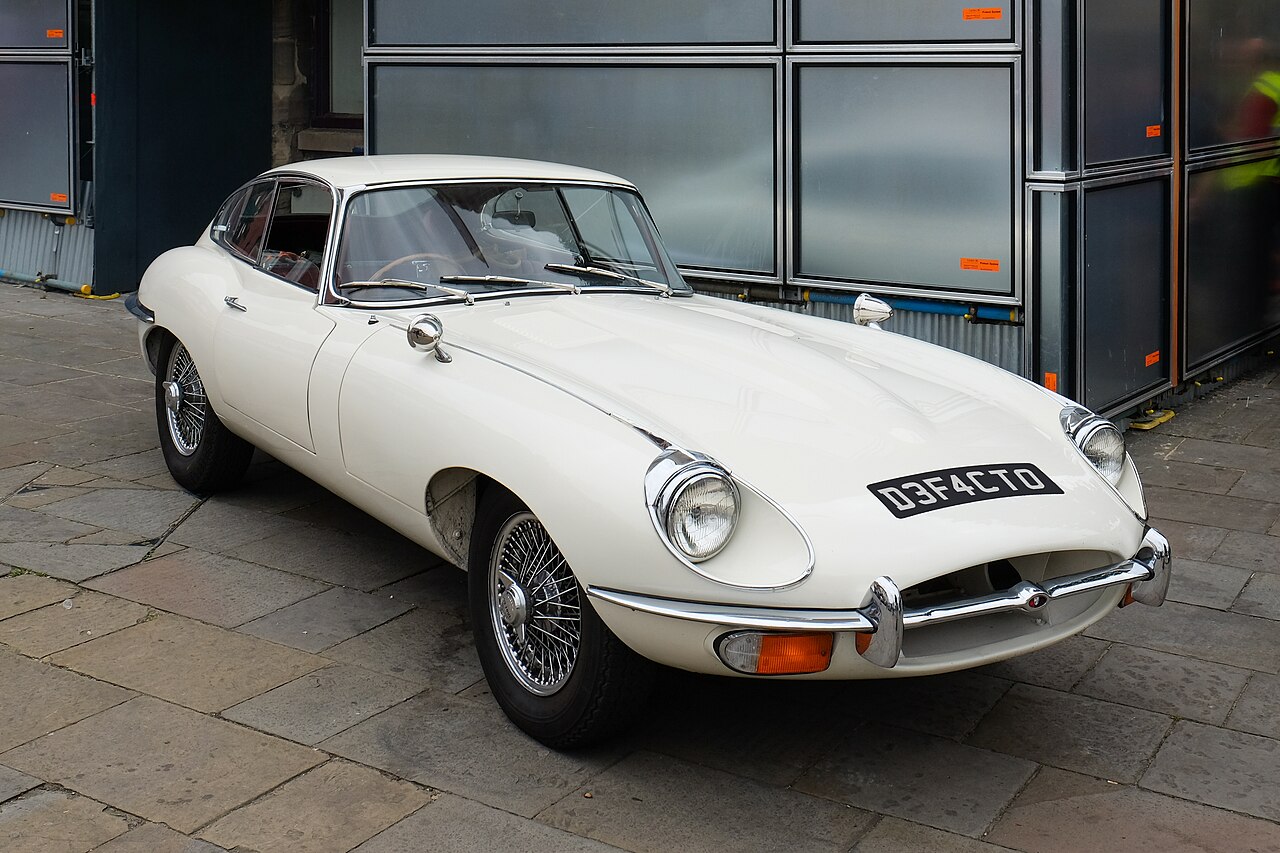
US safety law for 1968 banned the winged spinner, so US Series 1.5 cars got a hexagonal knock-off nut, hammered on with a special factory socket.
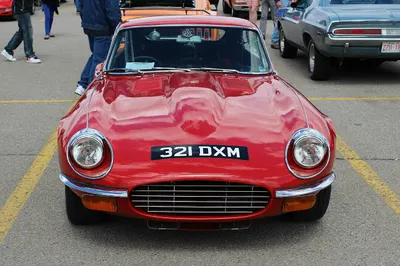
In 1996 New York's Museum of Modern Art put a blue Series 1 roadster in its permanent design collection, one of only six cars to receive that distinction.
Collectors Who Spotted the Jaguar E-Type
No member has published a public street spot of the Jaguar E-Type yet — the First · Worldwide stamp is wide open.
Jaguar E-Type Generation-by-Generation Comparison
Lead figures across every published generation, newest to oldest. Select any generation to inspect all trims and engine options.
| Generation | Years | Tier & Rarity | Engine | Power & Torque | 0–60 mph | Weight | Trims | First Spotter |
|---|---|---|---|---|---|---|---|---|
| Series 3 E-TypeSeries 3 | 1971–1971 | Epic15,290 built | 5.3L V12 | 272 hp · 304 lb-ft | — | — | 1 trim → | Unclaimed |
| Series 1.5 E-TypeSeries 1.5 | 1968–1968 | Legendary | 4.2L I6 | 246 hp · 263 lb-ft | — | — | 1 trim → | Unclaimed |
| Series 1 E-TypeSeries 1 | 1961–1967 | Epic38,419 built | 4.2L I6 | 265 hp · 283 lb-ft | — | — | 2 trims → | Unclaimed |
See a Jaguar E-Type on the street, point Burbles at it, and that generation’s card goes in your binder with your own photo and serial number. Own one? Add it to your garage in the app.